Fed Holds Rates Steady Amid 3.7% Inflation and Weak Job Growth
Chairman Kevin Warsh cited labor market fragility and market stability as reasons for pausing, despite persistent price pressures and election timing concerns.
By Jisoo Vega ·
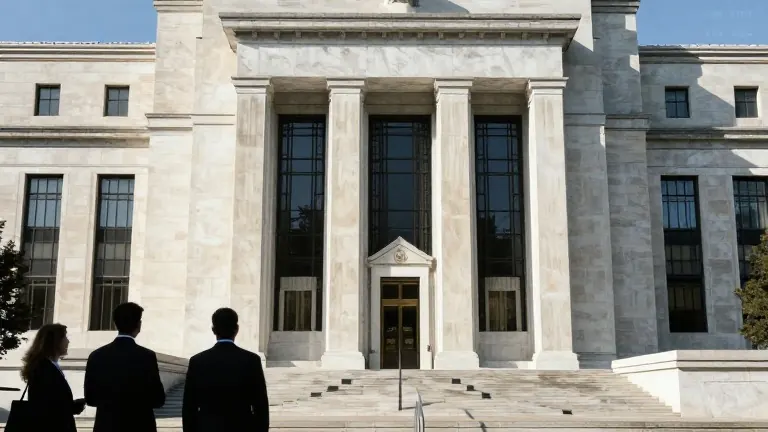
The Federal Reserve voted Wednesday to keep interest rates unchanged, a decision that leaves borrowing costs static for at least the next six weeks despite persistent inflation.
The central bank’s preferred inflation gauge remained 50% above its target, with consumer prices rising 3.7% over the past year. This hold followed a rate hike in September, the first increase in more than three years. Officials stated they wish to observe the economy’s reaction to that recent move before making another adjustment.
Kevin Warsh, the Fed Chairman, explained the rationale during a press briefing. "Interest rates get in the cracks," Warsh said. "They affect everything." He added that ensuring price stability is not about a fixed date or isolated data point, but about maintaining clear objectives and appropriate monetary policy. Warsh noted he was encouraged by the recent reduction in inflation expectations since the September hike.
The decision to hold also reflects caution regarding the labor market. The US economy added only 29,000 jobs in September, a figure well below expectations. The report also revealed that the economy had added 60,000 fewer jobs in the previous two months than previously estimated. While the unemployment rate remains at 4.2%, the market is characterized as having low hiring and low firing. This environment suggests that while current positions may be secure, job seekers may face difficulty finding new employment.
Market conditions also influenced the vote. Treasury yields have remained relatively high since the last hike, providing some natural slowing effect on the economy. Investors had priced in a 91% probability of a hold, according to CME’s FedWatch tool. A surprise hike could have triggered a painful rebalancing in the markets, a outcome the Fed seeks to avoid. Former Minneapolis Fed President Narayana Kocherlakota suggested the Fed also wanted insulation from political criticism ahead of the midterm elections, though historical precedent shows the bank often changes rates near voting days.
Critics argue the hold carries risks similar to the 2021 "transitory" error. At that time, the Fed underestimated supply shocks, leading to consumer prices peaking at an annual rate of 9.1%, the highest in four decades. That mistake forced the bank to raise rates at a historic pace with three consecutive hikes of three-quarters of a percentage point. Current data shows inflation spilling into other sectors. Housing and rent costs rebounded in the September report, reversing a summer cooling trend. Prices for services, including yoga studios and lawn care, also rose higher than expected.
The economy is also being propelled by investment in data centers and artificial intelligence technology. This surge has driven up prices for electricity, building materials, labor, and personal tech devices like smartphones and laptops. Additionally, an ongoing energy crisis linked to the Iran war continues to pressure costs. President Donald Trump has hinted that the United States and Israel could escalate the conflict after the midterms, potentially pushing oil prices higher. Conversely, an energy ceasefire in Russia has increased diesel production, which could lower global prices if Ukraine holds off on drone strikes.
The Fed’s next meeting is scheduled for December. If war escalations resume, the bank may be forced to hike rates by more than expected, potentially by a half point, in a make-up move. This scenario mirrors the sharp hikes of 2022, which sent the stock market into its biggest annual decline since the financial crisis and stalled the housing market. The bank aims to avoid a recession while controlling inflation, a balancing act it has rarely pulled off successfully.
The current pause leaves the cost of living issue unresolved for voters heading to the polls. The Fed will now monitor whether the recent rate hike is sufficient to cool the economy or if further action is required to manage the persistent inflation problem.
Source: CNN
More Business · Bad Business · Report a business · Got a Story?