Middle East Strategy: Retired General Says New Iran Strikes Lack Clear End Goal
Gen. Joseph Votel argues that without a defined finish line, military attacks will only delay conflict while sanctions target Iran's oil infrastructure.
By Yasmin Kovalenko ·
A new wave of American and Israeli air strikes may weaken Iran’s military capacity, but it will likely not end the war, according to retired Army Gen. Joseph Votel. Votel, who served as commander of U.S. Central Command from 2016 to 2019, told NPR that fresh attacks can punish Tehran and buy time. However, he noted that Iran has already demonstrated the ability to rebuild previously targeted assets. The general, who currently chairs the Combating Terrorism Center at West Point, argued that strikes have not yet changed Tehran’s overall strategy for the conflict.
Votel stated that Washington must first define a specific end state to declare victory. In his view, that goal centers on two main issues: resolving the nuclear enrichment dispute and reopening the Strait of Hormuz. He argued that once these objectives are clear, the U.S. should apply military, economic, diplomatic, and informational pressure simultaneously. Military force, he said, is only one component of the necessary strategy.
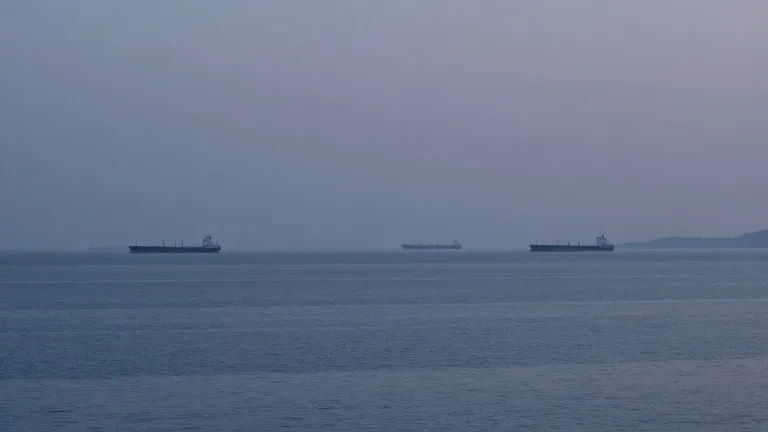
The economic pressure is already showing results, Votel observed. He cited recent reports that Iran’s shadow oil fleet, often called the ghost fleet, has run out of fuel. This depletion is a direct result of the ongoing blockade and sanctions. While this financial squeeze takes time to fully materialize, Votel said there is definite movement in the right direction.
The strategic priority for the U.S. remains the Strait of Hormuz. Votel explained that reopening this waterway would allow oil and commerce to flow freely, which would help lower gasoline and diesel prices for American consumers. The second major concern is Iran’s nuclear program. Votel also noted that Iran uses proxies to create regional instability, including the Houthis, but he identified Hormuz and enrichment as the primary targets for U.S. policy.
When asked about military readiness, Votel said the U.S. offensive capability is substantial and not in question. The potential limitation is missile defense. Defensive interceptors that protect U.S. bases and regional partners are under heavy pressure. Votel assessed that while offensive power is sufficient, the defense stockpile may face constraints if strikes continue for an extended period.
Source: NPR
More Politics · World news · Report a business · Got a Story?