Atlanta DOT Tracks Nine Scooter Deaths as Ridership Tops 4 Million Trips
New infrastructure aims to protect vulnerable users, but officials say drivers and riders are still adjusting to shared road spaces.
By Lucas Murphy ·
Nine people have died in scooter-related crashes in Atlanta between 2018 and 2025, according to the city’s Vision Zero dashboard. Those fatalities are part of a larger total of 71 serious injuries recorded during that same seven-year span. The data comes from police reports and tracks specific outcomes for those on two wheels.
The numbers appear against a backdrop of surging usage. The Atlanta Department of Transportation reports more than 4 million trips taken on rental scooters this year alone. Fleets from Bird and Lime operate under DOT regulation, filling a growing demand for short-distance travel. Mobility Planning Director John Saxton noted that the raw numbers of crashes have risen slightly, but he attributed this increase primarily to the sheer volume of ridership rather than a change in the rate of accidents.
For individual commuters, the risk is personal and immediate. Brad Ford, a frequent scooter rider, described a shift in his daily routine. He said he now looks at approaching cars before he looks at his destination. "I’d rather be alive," Ford said. He slows down significantly when preparing to make a turn, yielding the right of way to ensure vehicle operators notice him. He does not play around with speed, knowing that both he and the drivers are moving fast.
Abida Liana, another rider, recalled a hit-and-run incident that sent her to the emergency room. She was traveling home on a narrow road when a driver, likely distracted by a phone call, failed to see her. Liana said the event changed how she perceives her safety on the street. "So it’s stuff like that where I don’t feel safe," she said. These close calls drive the push for better physical separation between traffic types.
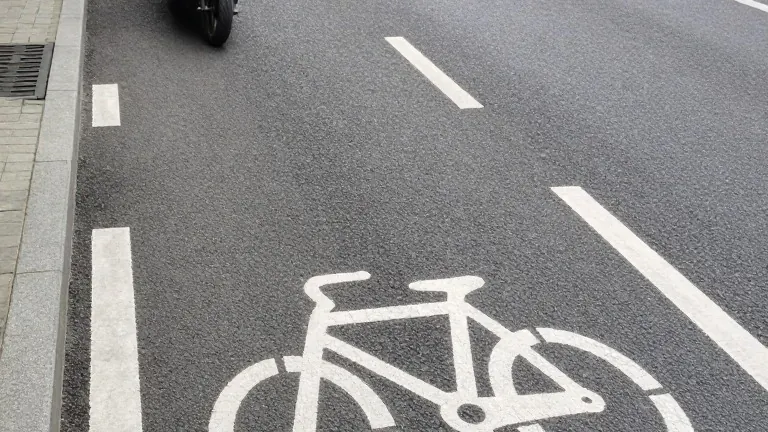
The city is responding with physical changes to the road network. Atlanta DOT has rolled out fresh resurfacing, high-visibility sidewalks, and dedicated bike lanes. These improvements are part of the Vision Zero goal, which aims to eliminate deadly and serious injury crashes for all road users. Saxton acknowledged that these new facilities require a learning curve. He wants to see a growing share of residents using active and sustainable modes of transportation as they adjust to the new layout.
Vision Zero manager Cole Smith emphasized that infrastructure provides safety benefits for everyone on the road, not just cyclists and scooter riders. The department tracks deaths and serious injuries to manage risk. While the focus is on the most severe outcomes, the qualitative data from the community helps round out their decisions. Smith noted that hearing from residents who feel unsafe on specific corridors provides context that quantitative crash reporting alone does not capture.
Nate Bryant, a rider, said the dedicated bike lanes have restored order to unpredictable streets. He prefers the lanes to riders who travel randomly on the side of the road without yielding to others. "The bike lanes are definitely good," Bryant said. He views the infrastructure as a necessary fix for the chaos of mixed traffic.
Feedback from the public is guiding future planning. DOT officials said they hear the most requests for more shared and personal scooters on the Beltline. Saxton said this demand speaks to the need for facilities like the Beltline to be available in every part of the city. The department is currently developing its Comprehensive Transportation Plan, which layers different transportation networks together. This plan will serve as the blueprint for future safety improvements and will help the city fill existing safety gaps.
The department is inviting the community to participate in the planning process for the Comprehensive Transportation Plan. Open houses are scheduled to gather input on how the different networks should interact. The goal is to use both crash data and resident testimony to shape the city’s approach to road safety in the coming years.
Source: Atlanta News First