Crows Match Primate Decision Logic at Double Speed
A new study shows carrion crows solve visual motion tasks using the same evidence-accumulation process as monkeys, but reach their conclusions in half the time.
By Lucas Murphy ·
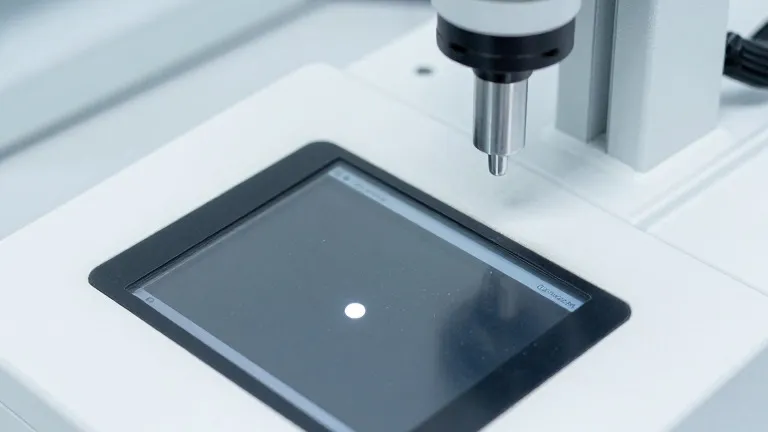
Carrion crows reach visual decisions using the same mathematical logic as primates, but at twice the speed.
Neurobiologist Andreas Nieder at the University of Tübingen led a study testing two hand-raised carrion crows on a task previously reserved for monkeys. The team recorded brain activity while the birds solved a random-dot-motion puzzle.
The experiment required the crows to identify the direction of drift in a cloud of flickering white dots on a black monitor. The birds reported their answer by pecking a target on the side of the display. A correct choice earned a mealworm. Nieder designed the setup to mirror the standard monkey test exactly, except for the response method. Monkeys indicate direction with eye movements, while the crows used their beaks.
The researchers varied the difficulty by adjusting the percentage of dots moving coherently. The easiest trials involved 81 percent of the dots drifting together. The hardest trials contained only 3 percent coherent motion. The team also included a condition with 0 percent coherent motion, where no correct answer existed. This range tested how the birds handled noise versus clear signals.
The results show that crows accumulate visual evidence over time until their brain activity crosses a specific threshold. This process mirrors the evidence-accumulation model found in the primate neocortex. However, crows lack a neocortex entirely. Their brains are organized differently, yet they arrived at the same decision logic. The birds completed the task in half the time it took the monkeys to solve the same problems.
Nieder noted that the absence of a neocortex in birds had left a gap in understanding how avian brains encode decisions. He described this as the central question of the study. The findings demonstrate that a brain without a neocortex can process complex visual information and commit to a choice using a comparable mechanism. The speed difference suggests that the avian brain structure may process this specific type of visual evidence more efficiently than the primate brain.
Source: Ars Technica