Florida Voters Face $12 Billion Property Tax Cut
Amendment 3 would exempt up to $250,000 of home value from taxes, a move critics say will force deep cuts to local services.
By Jisoo Vega ·
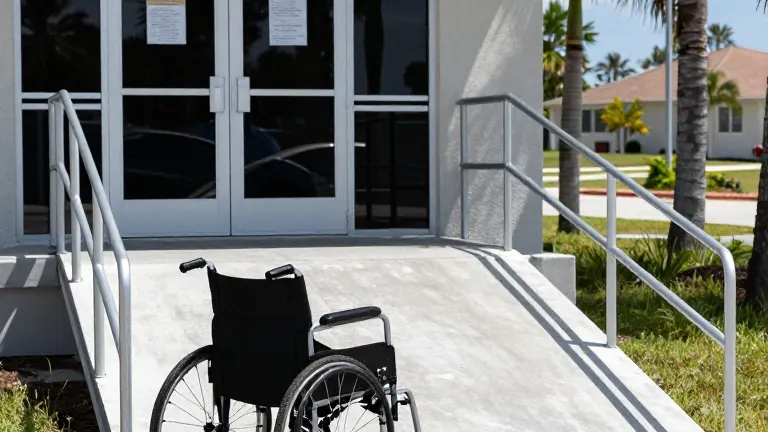
Rachel Dues pushed her wheelchair up a steep ramp toward a polling station in Jacksonville, Florida, on a day when the choice on the ballot felt personal. The 54-year-old notary and closing agent relies on food pantries and public assistance to make ends meet. She worries that a major property tax cut could erase the safety net she depends on.
Florida voters are deciding on Amendment 3, a measure that would increase the homestead tax exemption from $50,000 to $250,000 over two years. The proposal aims to relieve homeowners of a heavy tax burden, but it would remove nearly $12 billion in recurring revenue from local governments, according to the state Office of Economic and Demographic Research.
Supporters, including Governor Ron DeSantis and the Florida Realtors, argue that property taxes have grown out of control. Margy Grant, CEO of Florida Realtors, stated that local governments have seen record revenue growth driven by rising property values. The organization has spent $19.5 million on a 'Vote Yes on 3' campaign, asserting that the tax relief allows residents to stay in their homes.
Local leaders warn that the revenue loss will force severe cuts. Mike Weinstein, Jacksonville’s chief administrative officer, noted that the city faces a potential loss of $372 million over the next five years. With a $2 billion budget that relies heavily on property taxes, services such as road maintenance, mosquito control, libraries, and emergency response could be reduced or eliminated.
Critics argue the amendment benefits a small segment of homeowners while shifting costs to renters and businesses. Steven Johnson, an organizer with Florida Rising, asked voters to consider who truly benefits from the affordability narrative. He noted that the state has limited revenue streams, making property taxes a primary source of funding for public services.
Maggie Fernandez, a 68-year-old homeowner, is campaigning against the measure despite her potential personal savings. She made 111 phone calls in one night, urging neighbors to vote no to protect local services. Dues also campaigned by phone, telling callers that the amendment does not mention potential cuts to flood prevention, public transportation, and housing assistance.
The amendment requires a 60 percent supermajority to pass. Early voting is underway, and activists on both sides are working to persuade undecided voters. The outcome will determine whether Florida local governments must restructure their budgets or maintain current service levels.
Source: WUNC