Jensen Huang: Nvidia CEO's Microduck Demo Sparks 20,000 Preorders
A viral keynote moment featuring robotic ducks has driven massive demand for the holiday season, with experts predicting it will be a top seller for adults and children alike.
By Lucas Murphy ·
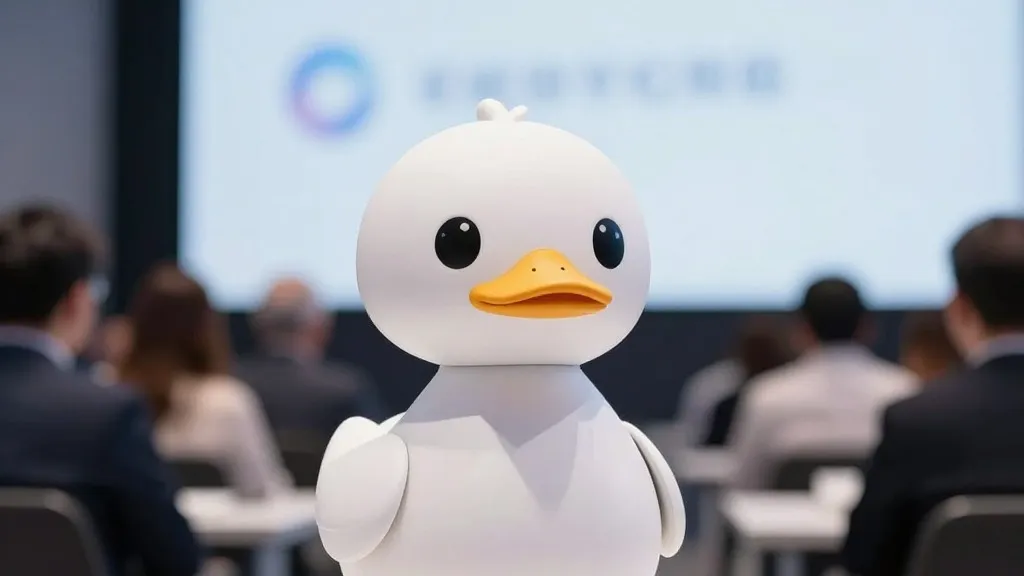
Nvidia Chief Executive Officer Jensen Huang demonstrated a fleet of small, autonomous robotic ducks during his keynote address at the GTC Berlin conference earlier this week. The demonstration captured the attention of audiences and online viewers alike, leading to a significant surge in preorders for the devices. By the day following the presentation, preorders for the Microducks exceeded 20,000 units, a figure confirmed by Clem Delangue of Hugging Face in a social media post.
The robots, known as Microducks, performed a series of programmed actions that delighted onlookers. They waddled across the stage, stomped their feet, and emitted small sounds reminiscent of the droid R2-D2 from the Star Wars franchise. Upon receiving specific voice commands, the units executed maneuvers such as sitting, falling down for a simulated nap, and performing somersaults. The endearing nature of the performance contributed to the rapid uptake of the product.
Delivery of the Microducks is expected to occur in time for the Christmas holiday season. This timing has positioned the devices as potential contenders for the title of the hottest toy of the year. Delangue suggested that the robots could become the best-selling robotic device of 2026. He noted that the appeal is not limited to children, as promotional materials feature adults interacting with the units as well.
The Microducks are open source devices originally developed by Pollen Robotics. Pollen was acquired by Hugging Face in 2025. Subsequently, Nvidia purchased Hugging Face in September of this year, making the Microducks part of the GPU giant's portfolio. This acquisition marks the second robot product associated with Hugging Face, following the launch of the Reachy Mini.
The technology behind the Microducks relies on Nvidia’s software and hardware stack. During the development process, simulations of the robots were taught basic motor skills, including walking, sitting, and standing. These foundational tricks are included in the device upon shipment. Pollen stated that owners have the ability to train their specific robots to perform new actions. These custom tricks can then be shared with the broader user community.
The viral success of the Microducks provides a contrast to recent news in the artificial intelligence sector. Earlier this week, the industry faced scrutiny as AI involvement was cited in several cyberattacks. While some experts warn of the potential risks associated with advanced AI systems, the Microduck demonstration highlights the more playful and accessible side of the technology.
The rapid adoption of the Microducks underscores the growing interest in consumer robotics. The combination of open source accessibility and corporate backing from Nvidia and Hugging Face has created a strong market presence. The devices are designed to be interactive companions that respond to voice commands, enhancing their appeal to a wide demographic.
As the holiday season approaches, retailers and manufacturers are closely watching the sales trajectory of the Microducks. The initial preorder numbers suggest strong demand, particularly given the timing of the product launch. The integration of the devices into the Nvidia ecosystem further supports their distribution and marketing efforts.
The demonstration at GTC Berlin served as a key marketing event for the product. The visual appeal of the robots, combined with the high profile of the company leadership, drove significant media coverage. This exposure helped to establish the Microducks as a notable product in the emerging field of consumer robotics.
With production ramping up for the holiday market, the Microducks are poised to make a significant impact. The devices represent a new direction for Hugging Face and Pollen Robotics, focusing on engaging and intuitive user experiences. The success of the launch may influence future product developments within the Nvidia and Hugging Face partnership.
Source: TechCrunch · original report published