Missiles Intercepted: Security Risks Rise Across the Gulf
Saudi defense systems intercepted projectiles near holy cities as the conflict involving Yemen's Houthis expanded to target oil infrastructure and airports, prompting new US warnings for travelers.
By Yasmin Kovalenko ·
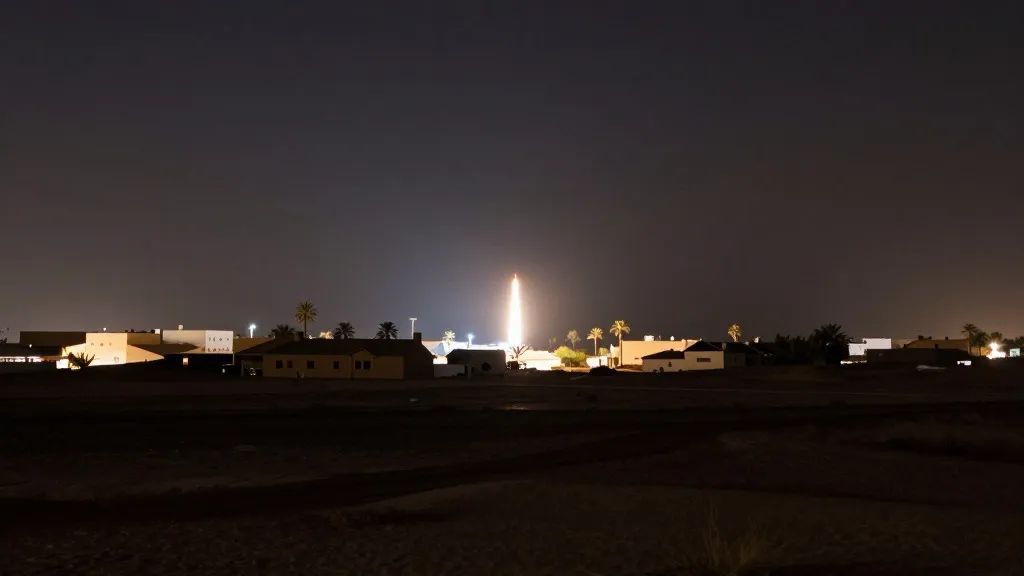
Saudi Arabia's Civil Defense reported on Saturday that two ballistic missiles were intercepted in the Mecca and Medina regions. The projectiles were launched by the Houthis in Yemen, with debris from the interceptions falling in several locations, including Jeddah, Taif, and Rabigh. This incident marks a significant escalation in security concerns for the region, directly affecting major population centers and religious sites.
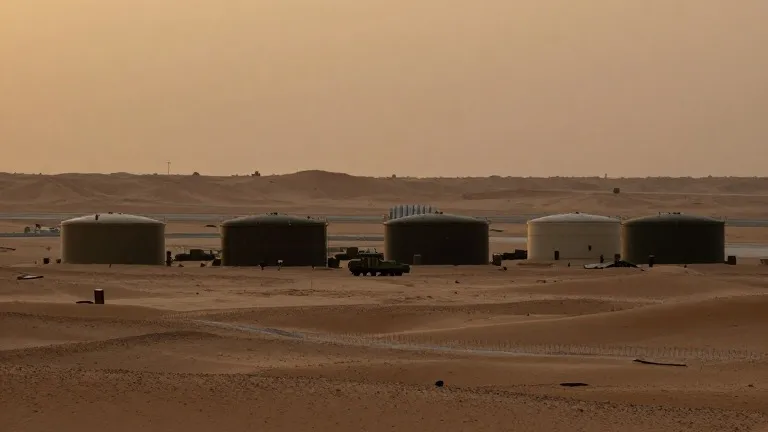
The interception is part of a wider series of attacks claimed by the Houthis targeting critical infrastructure. According to Houthi announcements, strikes were directed at a Saudi Aramco facility in Yanbu, the Rabigh oil refinery, and King Khalid International Airport in Riyadh. The group's military spokesperson, Yahya Saree, stated that the offensive also targeted King Fahd International Airport in Dammam, along with Najran airport and an air base in Khamis Mushait.
The violence is reciprocal, with reports emerging from Yemen regarding Saudi military actions. Houthi-linked Saba News Agency reported that Yemen’s National Commission for Human Rights condemned Saudi Arabia for strikes in the capital. The commission described a “massacre” in the Asr neighborhood of Sanaa and an attack on a cement factory in the Hamdan district of Sanaa Governorate.
The United States State Department has responded to the deteriorating security situation by updating travel advisories. On Friday, the department issued a warning regarding an increased threat of armed attacks by Iran-backed Houthi terrorists, specifically noting the potential for a rapid escalation of regional hostilities. The advisory concerning Israel remains at Level 3, advising American citizens to reconsider travel due to terrorism and unrest.
The State Department's warning cites previous Houthi attacks against Saudi Arabia, which have resulted in civilian casualties and major travel disruptions. These past incidents have targeted civilian airports and critical infrastructure. The current travel advisory for Israel maintains its existing risk indicators and restrictions on travel to certain areas of the country, reflecting ongoing instability in the region.
The intersection of missile interceptions near holy cities with strikes on oil facilities and airports demonstrates a complex threat environment. Attacks on energy infrastructure can have broad economic implications, while strikes near civilian centers pose immediate risks to safety and religious tourism. The targeting of multiple airports further complicates travel logistics and regional connectivity.
The State Department's update indicates that the threat landscape for American travelers remains volatile. While the overall travel advisory classification for Israel has not changed, the emphasis on the risk of armed attacks and the possibility of rapid escalation suggests that the security environment requires close monitoring. The situation involves multiple actors and targets across a wide geographic area.
Looking ahead, the pattern of attacks and counterattacks suggests continued instability. The targeting of critical infrastructure alongside civilian areas raises concerns about potential further escalation and the impact on regional security. Continued monitoring of flight operations and travel routes will be necessary as the situation evolves in the coming days.
Source: The Jerusalem Post