Polls Show Trump Approval Below 40% As Midterm Election Nears
The president's support has dropped 15 points since early 2025, a threshold that historically predicts heavy losses for the White House party.
By Jisoo Vega ·
President Trump faces a steep electoral test this Tuesday as his average approval rating falls to 37%, down from 52% in early 2025. This drop places him below the 40% threshold that has historically signaled brutal midterm results for the party holding the White House. The decline suggests the nation's political confidence is under strain ahead of the vote.
Polling data indicates the electoral pendulum is swinging against the incumbent party, a pattern that has held in almost every midterm over the last century. Republicans face potential losses not only in blue states they previously lost but also in swing states and deep red states that Trump won by double-digit margins in prior cycles. This forecast has driven the president to spend the final campaign weekend in Iowa and Kansas, states where he seeks to limit his party's damage in the Senate.
The president's strategy reflects a shift from his first term, where he acted within a system of shared powers, to a current approach where he casts himself as the primary driver of events. He has framed the election as a referendum on his personal leadership rather than just his party's platform. This personalization has resonated with his base, but it has also amplified the visibility of unfulfilled promises regarding economic relief and foreign policy, such as peace in Ukraine and lower inflation.
Democrats may capture the House, though their majority would be modest by historical standards. A narrow Senate win would empower independent members who often buck party leadership. Ruy Teixeira, a political demographer at the American Enterprise Institute, published a list of 11 questions in October that Democrats must answer if they regain power. His final question asks whether the party will prioritize working-class economic interests over its recent focus on social policy and environmental issues.
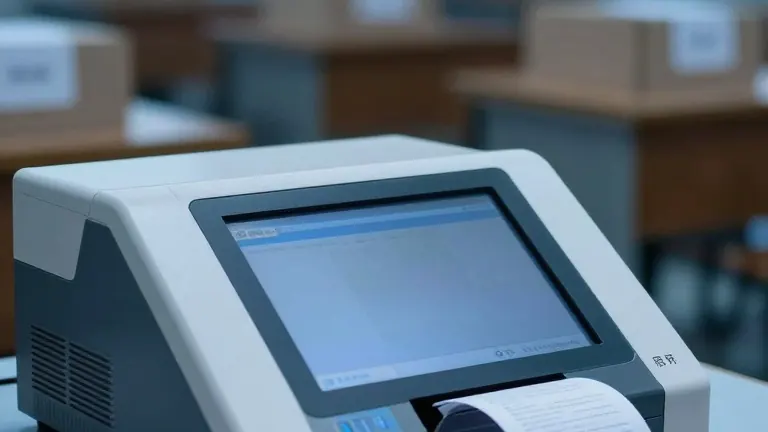
Beyond the partisan contest, the election tests public trust in the voting system itself. Nonpartisan experts note that legislation and funding have improved election administration since the Help America Vote Act of 2002, replacing punch cards with touch screens and paper trails. However, the president continues to question the integrity of polls and news reports, a stance that has roots in the 2016 and 2020 cycles. The stress of this election may persist for weeks as results are tallied and contested.
The outcome will determine whether the will of the people drives the next phase of American political life. The election acts as a mechanism to test whether voters maintain faith in the democratic process despite ongoing debates over its conduct. The results this Tuesday will provide the first concrete answer to those questions.
Source: WFAE