Vertical Microdrama Expands to 111-Minute Feature for Tokyo Film Festival
Director Ueda Shinichiro adapted a 30-episode social media series into a theatrical film exploring memory loss and dementia.
By Lucas Murphy ·
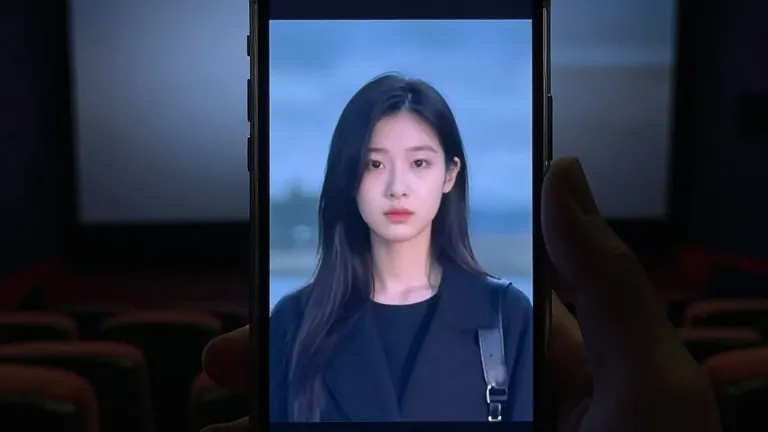
Ueda Shinichiro has expanded a social media series into a 111-minute feature film titled Earthlings in Love, which is currently screening in the Nippon Cinema Now section of the 39th Tokyo International Film Festival. The project began as thirty short episodes, each lasting only a few minutes, that totaled 76 minutes in runtime. Ueda converted this vertical format into a standard theatrical release for the current festival.
The narrative follows a character named Shinpei, a director who receives a diagnosis of young-onset dementia. To preserve his fading recollections, he attempts to complete a movie he originally started with friends during his teenage years. Ueda stated in an interview with Variety that the film was not initially conceived as a feature. He noted that positive online reactions to the short episodes encouraged the team to develop the story for cinema screens.
The director drew from his own experiences to shape the plot. He returned to his hometown and discussed past events with former schoolmates over drinks. During these conversations, he realized that his friends remembered specific incidents differently and that some details had vanished entirely. Ueda wanted to explore the discrepancy between personal memory and recorded evidence.
The vertical aspect ratio presents specific technical challenges compared to traditional widescreen formats. Ueda explained that the frame works well for solo shots but restricts the composition of group scenes. He utilized these limitations by hiding information outside the visible frame. This technique allows him to reveal details later from different angles, leaving space for the audience to fill in the gaps. He also noted a thematic connection, as certain symptoms of dementia can narrow a person's visual field.
Editing required major adjustments to suit the theatrical audience. Ueda stated that online viewers swipe away quickly when the pace slows, whereas theatergoers can remain seated for approximately two hours. This difference in attention span allowed the director to showcase acting performances more fully. The feature version restored shots and dialogue removed from the social media cut, included newly filmed material, and eliminated cliffhanger endings designed to hook viewers for the next day's episode.
Ueda compared his current approach to his previous works, including One Cut of the Dead and Special Actors. He said his method remained largely consistent aside from the vertical framing. While actors in short dramas often perform with exaggerated intensity, his cast possessed feature film experience and maintained a professional level throughout production.
The rapid release cycle of microdramas offered distinct advantages for audience feedback. Comments on social media platforms appear almost immediately after posting. Ueda described a workflow where an idea conceived in the morning could be filmed in the afternoon and released that evening. This speed contrasts with the feature film process, which requires at least twelve months to reach theaters.
Ueda believes both the vertical short format and the cinema will continue to coexist. He expects the market for vertical content to grow while noting that Japanese theaters serve a unique social function. He described cinemas as the only remaining places where people switch off their phones and sit together for two hours. Borrowing a phrase from a senior director friend, he compared the experience to a church or sacred place, calling it a ritual that operates differently than any other medium.
Source: Variety
More News · National news · Report a business · Got a Story?