Wolf Packs Invade Finnish Villages After 1,300-Acre Forest Clearing
Displaced wildlife is forcing a new safety crisis in rural areas as Google halts its controversial data center construction.
By Yasmin Kovalenko ·
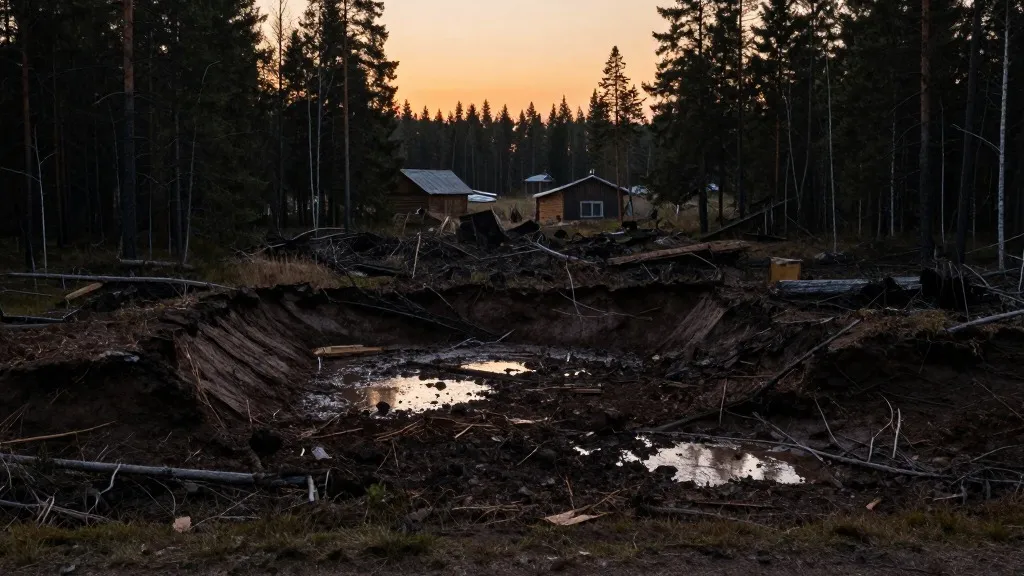
More than 1,300 acres of dense Finnish forest have been stripped away, transforming a thriving ecosystem into a vast expanse of mud and construction debris. This dramatic environmental shift has pushed local wolf packs out of their traditional territories, driving them into neighboring human settlements. The sudden appearance of wild canines in residential areas has turned an industrial dispute into a pressing public safety issue for communities in the region.
The clearing of land near the village of Muhos has resulted in 816 acres of forest being turned into a muddy landscape. This unauthorized work drew immediate attention from local regulators. The Finnish Licensing and Supervision Authority, known as LVV, issued a formal order requiring the company to cease all operations in the area. This directive follows earlier notices given to the developer regarding construction activities in Muhos and the nearby town of Kajaani.
Residents are reporting significant changes in local wildlife behavior due to the habitat loss. Anni Ranta, a 53-year-old resident whose family has lived in Otanmäki for generations, noted that the displacement of animals has brought wolves directly into the village. She explained that the wild animals moved out of the forest because their natural environment was destroyed. This shift has raised serious concerns about human safety in these countryside communities.
The situation extends beyond the immediate impact on wildlife. Ranta and other locals have voiced fears that the presence of large, U.S.-owned data centers could make Finland a more attractive target for Russian aggression. The region is located 55 miles southeast of Otanmäki, where another roughly 500 acres of forest were cleared. These combined developments have intensified local anger over the pace and scope of the construction projects.
Environmental groups have criticized the project for its handling of regulations. A representative from the Finnish Association for Nature Conservation stated that the company’s approach to environmental policy was unprecedented and clearly flawed. Local complaints have also included construction noise, streams turning brown from runoff, and the displacement of rare bird species. These issues have mirrored concerns raised in other countries where AI infrastructure is expanding rapidly.
Google has responded to the regulatory orders with a cooperative stance. A spokesperson for the company said it would fully comply with the requests from the LVV. The company expressed its desire to maintain an active and open dialogue with authorities to strengthen its partnership with Finland and local organizations. This official position suggests an effort to manage the relationship with regulators while the construction halt remains in effect.
The company’s Finland country manager has apologized for the unauthorized clearings. The apology comes as the company seeks to balance its ambitious AI infrastructure goals with local environmental standards. The recent stop-work orders mark a significant pause in a project that was intended to support the growing demand for artificial intelligence processing power in Europe.
As the construction work pauses, the local community faces the immediate aftermath of the land clearing. The return of wildlife to residential areas highlights the tangible impact of large-scale development on rural life. Regulators and developers will likely continue their discussions in the coming weeks to determine the next steps for the site and the broader region.
Source: Tom's Hardware · original report published