25 years ago, Apple put 1,000 songs in a $399 card-sized device
Steve Jobs revealed the original iPod in 2001, changing how people carried their music with a 5GB hard drive and FireWire speed.
By Lucas Murphy ·
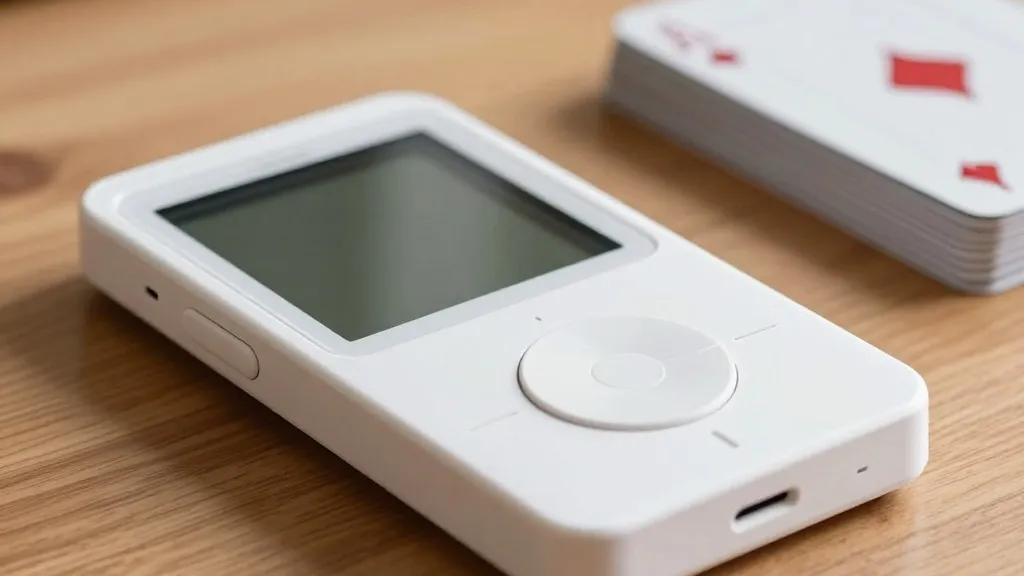
Apple CEO Steve Jobs officially introduced the original iPod to the world 25 years ago this week. The device launched at a price of $399 and promised to hold a user's entire music collection in a package roughly the size of a deck of cards. At the time, this was a bold claim that aimed to simplify the way consumers carried their favorite songs. The unveiling marked a significant moment in the history of portable digital audio.
The announcement took place in October 2001, a period when Apple was firmly establishing itself in the Mac OS X era. The company had moved beyond its beige hardware roots with the success of the iMac and iBook. Jobs envisioned the Mac as the central hub for a user's digital life, connecting cameras, camcorders, and DVD players. He argued that portable music was the missing piece in this ecosystem and a massive market opportunity that lacked a clear leader.
Competitors such as Sony, Creative, and Sonic Blue already had portable music players on the market. However, Jobs suggested that none of them had quite found the right formula for digital music. He identified hard disk-based players as the optimal choice for Apple's entry into the space. This decision allowed for greater storage capacity compared to the flash players or CD-based devices available at the time.
The first iPod featured a 5GB hard drive, which was small enough to fit in a pocket yet large enough to store 1,000 songs. This capacity was based on typical pop songs encoded as MP3s at 160Kbps. The device played standard formats of the era, including MP3, WAV, and AIFF. Jobs emphasized that for most people, this storage amount represented their entire music library.
The physical design of the player relied on a 1.8-inch hard drive from Toshiba. This component was ultra-thin at 0.2 inches, which helped achieve the device's compact dimensions of 2.4 by 4 by 0.78 inches. The entire unit weighed just 6.5 ounces. Jobs noted that this made the iPod lighter than many of the cell phones available at the time, enhancing its portability.
Connectivity was a major selling point, with the device using a single FireWire 400 cable for both charging and data transfer. This setup was marketed as the first and only music player with this capability. The speed of the connection allowed a full CD of music to transfer in five to 10 seconds. In contrast, USB connections from that era could take up to five minutes for the same task. Filling the entire device with 1,000 songs could be done in about 10 minutes, compared to five hours on a USB player.
The user experience was centered on a single-hand friendly design with a scroll wheel that provided tactile feedback. This interface allowed users to quickly locate and play music by artist, playlist, or song title. The device also included features like 20-minute skip protection and a rechargeable lithium-polymer battery. This battery provided 10 hours of continuous playback and could reach 80% charge in one hour.
The launch of the iPod coincided with the release of iTunes 2, which included features like MP3 CD burning and auto-sync. This sync function ensured that music libraries curated on a Mac were always up to date on the portable player. While the first iPhone arrived in early 2007 and eventually overshadowed the iPod, the original device remained a staple of Apple's product line. The final model, the 7th-generation iPod Touch, was released in May 2019, and the product line was officially discontinued in May 2022.
Source: Tom's Hardware · original report published