The $399 iPod: 25 years of a pocket music library
Apple's 2001 launch promised 1,000 songs for $399, a price that defined the portable audio market until smartphones arrived.
By Lucas Murphy ·
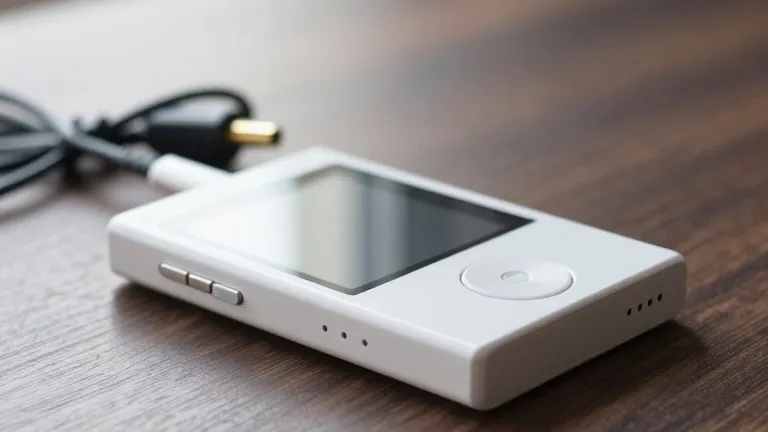
Apple launched its first dedicated music player 25 years ago today, on October 23, 2001.
The device sold for $399 and promised to hold a user's entire music collection in a form factor smaller than a pack of cigarettes.
CEO Steve Jobs introduced the product as a breakthrough digital device that was not a Mac, signaling a strategic pivot for the company.
The launch occurred while Apple was recovering from the dot-com bubble burst.
Jobs had guided the firm away from its beige-box reputation toward new products like Mac OS X, iBooks, and iMacs.
He positioned the Mac as the central hub for a user's digital lifestyle, connecting cameras, camcorders, and portable audio devices.
The iPod targeted the portable music market, which Jobs believed lacked a clear leader despite competition from Creative, Sonic Blue, and Sony.
Jobs noted that existing players in categories like CD players and hard-disk jukeboxes had not yet found the right recipe for digital music.
The original iPod featured 5GB of storage, enough to hold approximately 1,000 pop songs encoded as MP3s at 160Kbps.
"For most people it's their entire music library," Jobs said during the presentation.
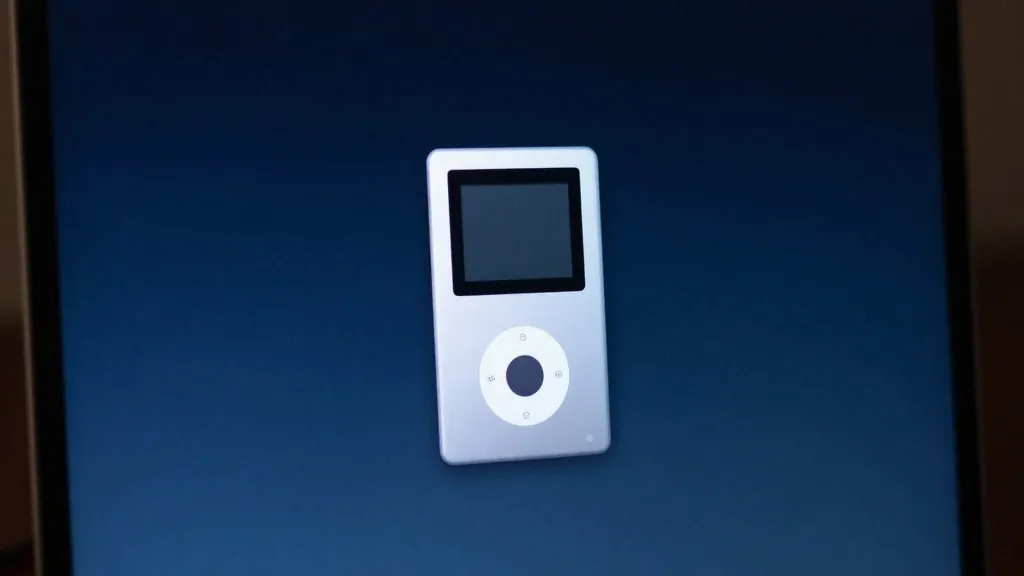
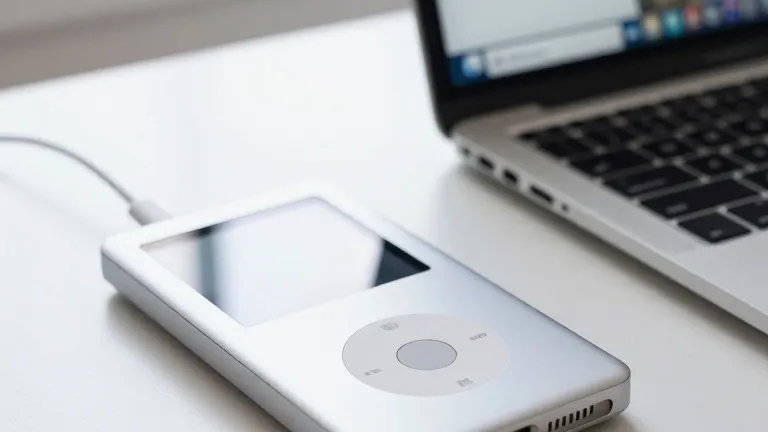
The hardware relied on a new 1.8-inch hard drive from Toshiba that was 0.2 inches thick.
The device measured 2.4 by 4 by 0.78 inches and weighed 6.5 ounces, making it lighter than most cell phones of that era, according to Apple's claims at the time. It included 20 minutes of skip protection to handle physical movement while playing music. The player connected via a single FireWire 400 cable for both charging and data transfer. Apple stated this connection could move a full CD's worth of data in five to 10 seconds, compared to roughly five minutes over standard USB connections. Transferring 1,000 songs took about 10 minutes on FireWire versus five hours on USB. A rechargeable lithium-polymer battery provided 10 hours of continuous playback. Apple claimed an empty battery could reach 80% charge in one hour. The design focused on a minimal, durable exterior. Jobs promised Apple's legendary ease of use, with controls intended for one-handed operation. An accelerated scroll wheel with a piezoelectric clicker provided tactile feedback for navigating playlists, artists, or songs. The first track played on stage was Sarah McLachlan's "Building a Mystery." The launch also coincided with the release of iTunes 2, which added MP3 CD burning and automatic syncing features. The iPod could also function as a FireWire hard drive. The first iPhone did not arrive until early 2007, more than five years later. The two products shared Apple's lineup for over a decade. The iPod line faded as smartphones became dominant. The last model, the seventh-generation iPod Touch, released in May 2019, sat unmaintained until Apple officially discontinued the line in May 2022.
Source: Tom's Hardware