AI Data Centers Face New Community Payment Mandate
The administration is pushing large-scale computing facilities to return financial or energy benefits to the neighborhoods they impact.
By Jisoo Vega ·
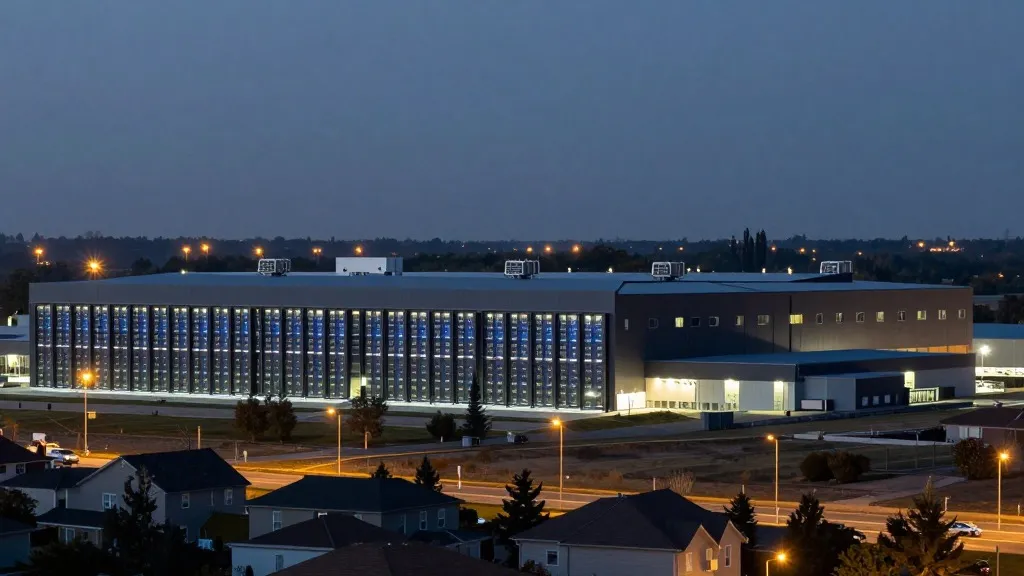
Residents living near large-scale artificial intelligence facilities may soon see changes to their local utility costs or receive direct financial benefits. The Trump administration has announced a new directive requiring data center developers and major AI cloud providers to provide a 'dividend' to the communities where they operate. This move is designed to mitigate the financial burden placed on local households and make the presence of these massive industrial facilities more acceptable to neighborhood stakeholders.
The first key point of the new mandate is the requirement for excess energy redistribution. President Trump stated on Truth Social that these facilities, which are already ordered to generate their own electricity, must now give or sell any surplus power back to the local grid or community. The goal is to prevent electricity price hikes for nearby residents and potentially lower overall costs. This builds on a recently passed act that already requires data centers to cover the expenses of necessary grid upgrades, preventing those costs from being passed on to local taxpayers.
Second, the administration is linking this financial incentive directly to the speed of construction. The President emphasized that data centers have become popular in areas where financial deals have been struck, urging industry leaders to 'MAKE DEALS' to accelerate project completion. By offering a tangible benefit to local populations, the White House hopes to reduce the friction that has often slowed down the approval process for new sites, allowing the U.S. to move faster in its technological competition.
Third, this policy represents a strategic effort to maintain a lead over China in the global AI race. While the administration is keen on rapid expansion, it recognizes that community resistance is a significant hurdle. By addressing the most immediate pain point for residents, rising utility bills, the government is attempting to win back local favor. The specific mechanism of the dividend, whether it is a cash payment or a utility credit, is expected to target the electricity costs that have made these facilities unpopular in many regions.
Contextually, this directive responds to widespread protests across the United States against AI data centers. Small communities have increasingly pushed back against the outsized impact of these facilities, citing issues beyond just electricity. Complaints have included noise pollution, water shortages, air quality concerns, and deforestation. While the new mandate focuses on the economic aspect of energy, it is only one facet of a broader set of environmental and social challenges that make these projects difficult to sell to local populations.
The practical implementation of this mandate remains to be seen. Critics and observers note that calling the payment a 'dividend' raises questions about corporate profitability, as new data center builds often operate at a loss during the initial construction and recoupment phases. Furthermore, the short-term power generation methods currently favored by these facilities, such as gas-powered generators, are often noisy and less efficient, which may limit the immediate environmental benefit to nearby residents despite the potential cost savings.
Looking ahead, the success of this policy will depend on whether the financial incentives are sufficient to overcome the non-economic objections raised by local groups. While the administration aims to streamline the building process and keep the U.S. at the forefront of AI development, the long-term ecological impacts of these facilities remain a major challenge. The next few months will likely determine if these community deals can turn resistant neighborhoods into supportive partners in the national AI infrastructure buildout.
Source: Tom's Hardware · original report published
More Business · Bad Business · Report a business · Got a Story?