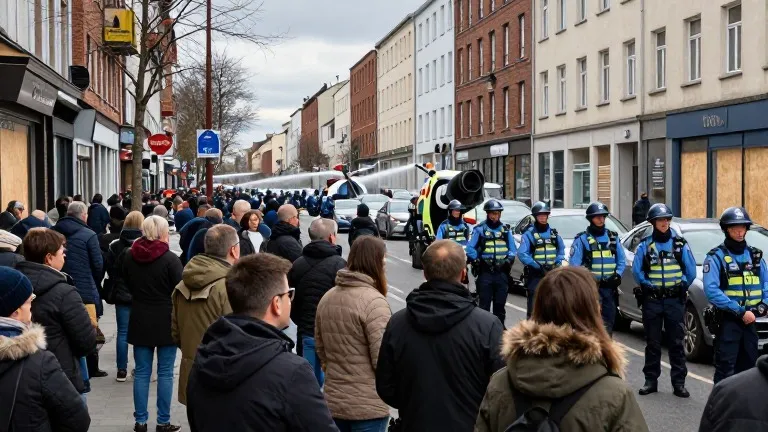
Albanian Police Deploy Tear Gas as Thousands Clash in Tirana
Violent clashes in Tirana between protesters and police resulted in over 300 injuries and dozens of arrests on Saturday.
By Yasmin Kovalenko ·
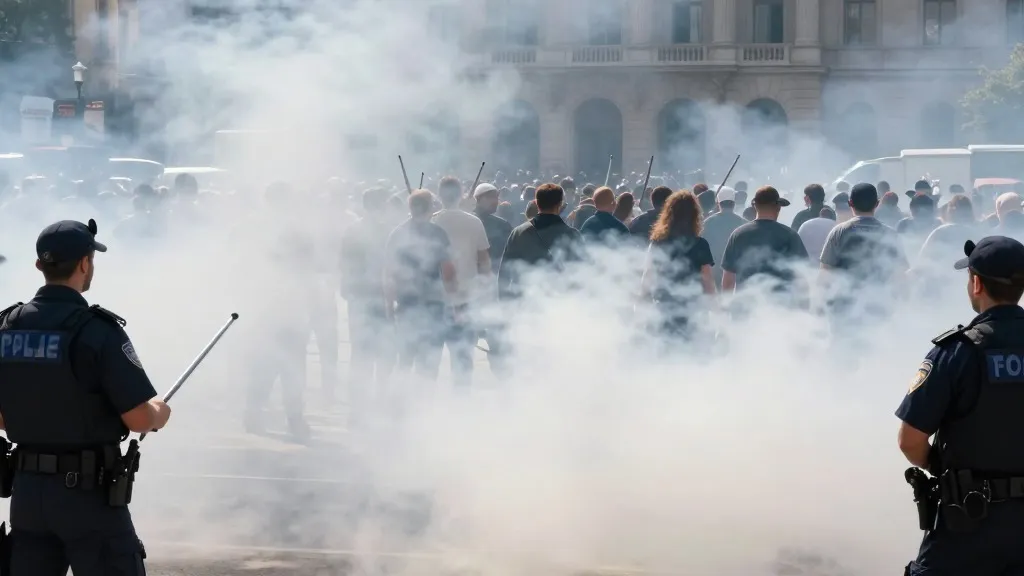
Police in Tirana used tear gas and water cannons on Saturday to disperse thousands of demonstrators who had gathered for an anti-government rally. The confrontation turned violent, resulting in the injury of more than 300 people, a figure that includes both protesters and law enforcement officers. Dozens of demonstrators were also taken into custody during the incident. The unrest caused physical damage to several state-owned structures as crowds pressed forward toward government offices.
The latest escalation follows a sustained period of public discontent that started in mid-October. Residents of the small Balkan nation began protesting over deteriorating conditions in schools and a sharp rise in the cost of living. Although tensions had appeared to subside in the days leading up to Saturday, organizers successfully called for a new mass turnout. They specifically urged students and citizens from other regions to join the demonstration, bringing a large and motivated crowd into the capital.
A broad coalition of groups declared their support for the rally, signaling a widening of the opposition beyond its initial student base. University professors, artists, and opposition political parties all announced they would participate or back the movement. In preparation for the event, local media reported that authorities intensified security measures around Tirana. Police conducted vehicle checks on cars entering the city and increased their visible presence in key areas.
The Ministry of Education became the primary target of the day's anger. Some members of the crowd hurled stones at the building's facade. Others rolled burning trash bins toward the entrance, using the fire as both a tool of protest and a signal of their frustration with the government's handling of the education system.
The current wave of unrest is part of a larger pattern of anti-government demonstrations that have occurred intermittently since May. The initial spark was the revelation of a luxury hotel project connected to the family of United States President Donald Trump. That news ignited a broader campaign against political corruption and economic hardship. Protesters now demand the resignation of Prime Minister Edi Rama, a member of the Socialist Party.
Rama has attributed the violence to external influences, specifically accusing Russia and Iran of driving online misinformation campaigns. He has also publicly called for dialogue to resolve the crisis. On Saturday, red cushions were placed outside the government headquarters as a symbolic gesture inviting the opposition to talk. However, protesters set the cushions on fire shortly after they were displayed.
Demonstrators have expressed dissatisfaction with the entire political class, not just the ruling party. Some signs carried in the crowd criticized Sali Berisha, the center-right leader who serves as Rama's main political rival. This suggests that the public anger has shifted from targeting a single administration to questioning the broader political establishment. The next steps remain uncertain as both sides assess the impact of Saturday's clashes and the potential for further negotiations.
Source: Al Jazeera