Amazon Ditches AI Data Center Plans in Loudoun for Housing and Parks
The tech giant is converting a 122-acre former university campus into residential and mixed-use development after local residents challenged the environmental and energy costs of the project.
By Yasmin Kovalenko ·
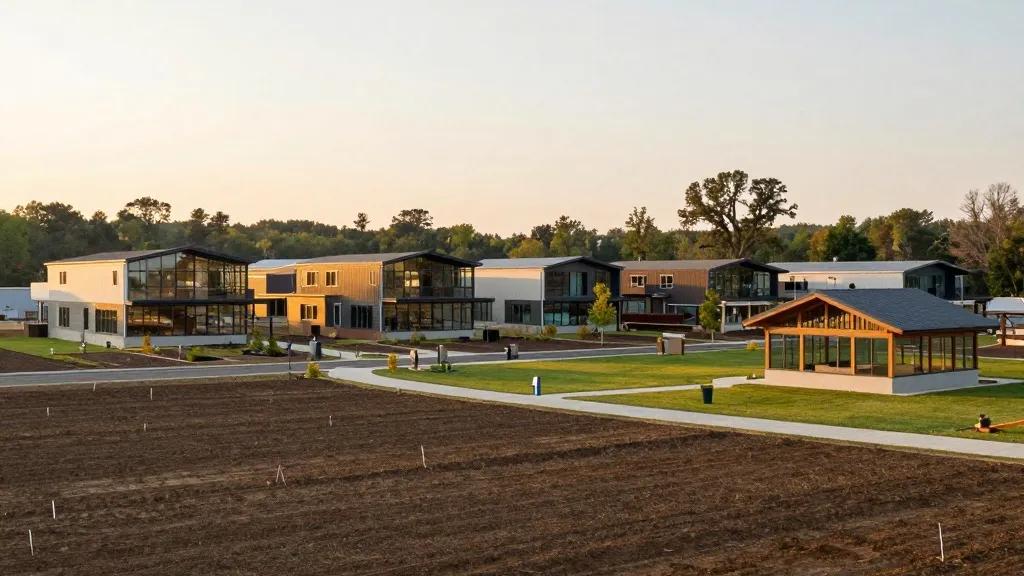
The rapid expansion of artificial intelligence infrastructure has met a significant wall of local resistance in Northern Virginia, forcing Amazon to scrap a major building project in favor of community-focused development. The company has officially abandoned plans to construct four new data centers on a 122-acre site in Loudoun County, just outside Washington, D.C. This shift marks a notable concession to the pushback from residents who have long worried about the noise and energy demands of such facilities. Instead of server farms, the majority of the land, which was formerly part of the George Washington University campus, will be redeveloped for mixed-use and residential projects.
As part of the new arrangement, Amazon will donate 25 acres of the property to Loudoun County. This specific portion of the land is designated to become a community arts center and a new recreational facility. Additionally, the company is contributing $5 million to the county’s housing fund. This financial and physical investment aims to address local needs directly, providing attainable homes for working families while creating new public spaces for residents to gather and recreate.
The decision follows a brief period of negotiation that began in July of this year when Amazon first submitted its proposal. By September, the company met with Phyllis J. Randall, the Chair of the Loudoun County Board of Supervisors. During these discussions, county officials raised pointed concerns about the suitability of the site for large-scale data center development. Rather than proceeding with what could have been a costly legal battle, Amazon chose to align with the county’s vision for the campus. Josh Weissman, Amazon’s vice president of data center development, noted that while the company initially saw the property as a prime location for data infrastructure, they ultimately prioritized a shared vision over litigation.
The broader context for this change is the intensifying tension between the tech industry’s need for power and local grid capacities. The surge in AI usage has driven demand for larger, more energy-intensive facilities to new levels. However, communities are increasingly wary of the side effects, including spikes in electricity prices, water shortages, and deforestation. In Northern Virginia, a region often referred to as "Data Center Alley" due to its high concentration of such facilities, the local power grid is under strain. This has led to a more cautious approach by local officials regarding new buildouts, prioritizing dialogue and community benefits over reflexive approval of tech projects.
National leaders are also weighing in on the issue. Just days before Amazon’s announcement, President Donald Trump called for data center builders and AI hyperscalers to pay a dividend to local communities to offset energy-related price increases. He further suggested that these facilities should generate their own electricity and sell any excess power back to the grid. These policy moves reflect a growing recognition that the environmental and economic footprint of AI infrastructure requires a more balanced approach between corporate needs and local well-being.
For Loudoun County, the outcome represents a strategic win through negotiation. Randall emphasized that choosing dialogue over disagreement allowed the county to secure tangible benefits for its residents. The agreement not only preserves the land from being dominated by industrial servers but also injects resources into local housing and recreation. As the AI boom continues to reshape the American landscape, this case may serve as a template for how other communities can leverage local influence to shape the development of critical digital infrastructure.
Source: Tom's Hardware · original report published