2026 Midterms Set Record Spending as Party Committees Show Split Financial Edges
Republican committees outspend Democrats at the committee level, but Democrats lead in candidate fundraising, creating a complex financial landscape for the most expensive election in history.
By Jisoo Vega ·
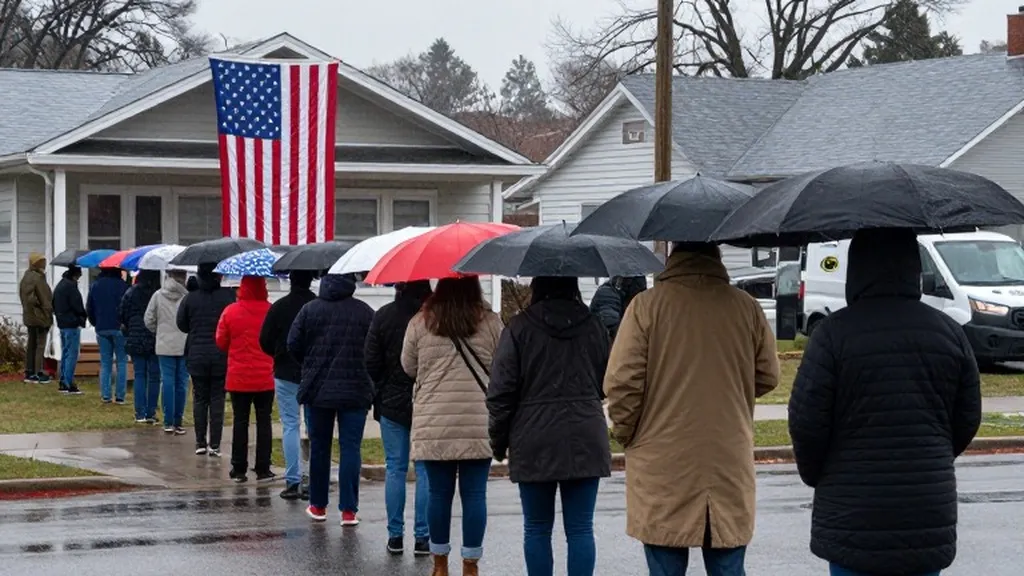
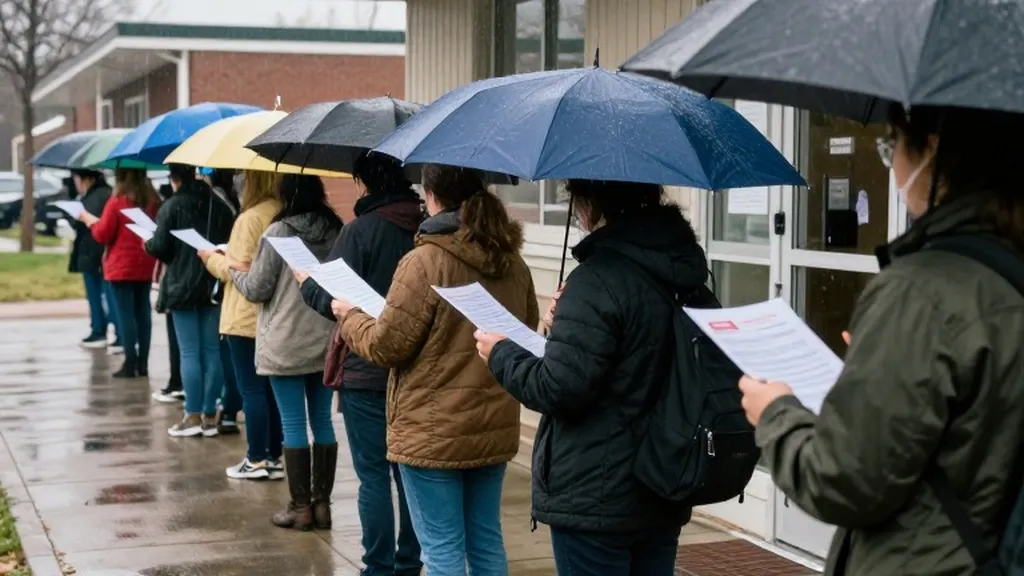
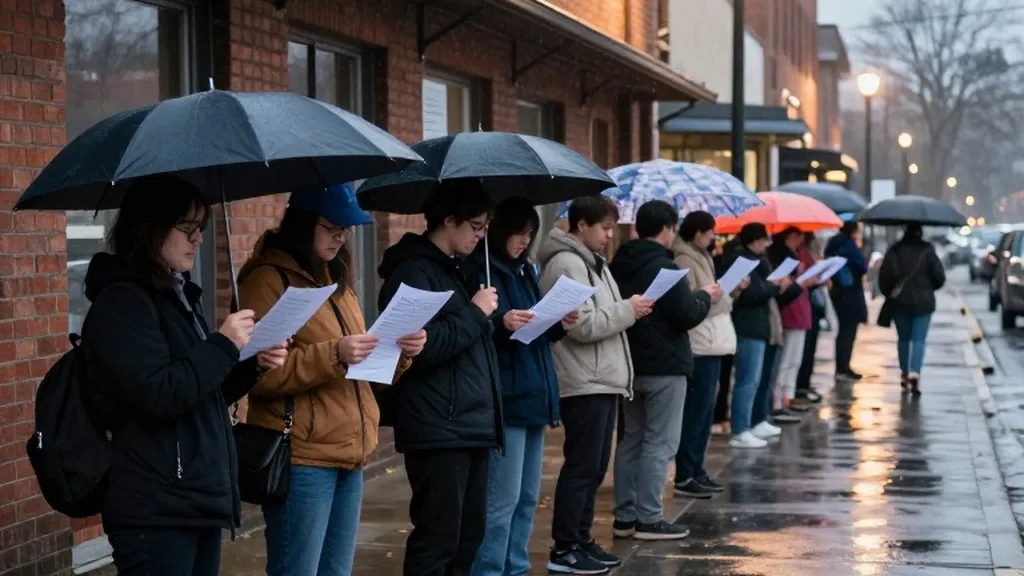
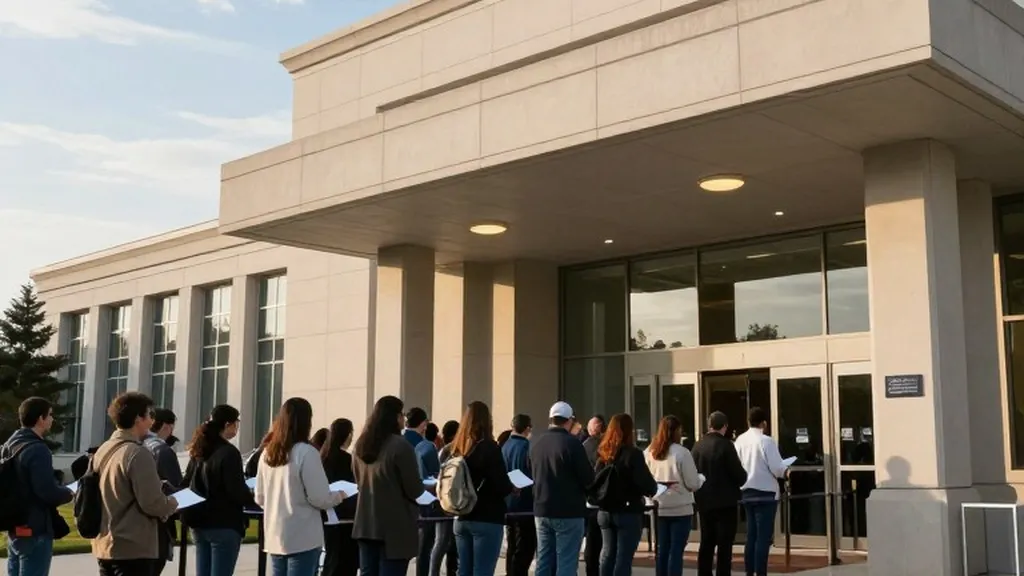
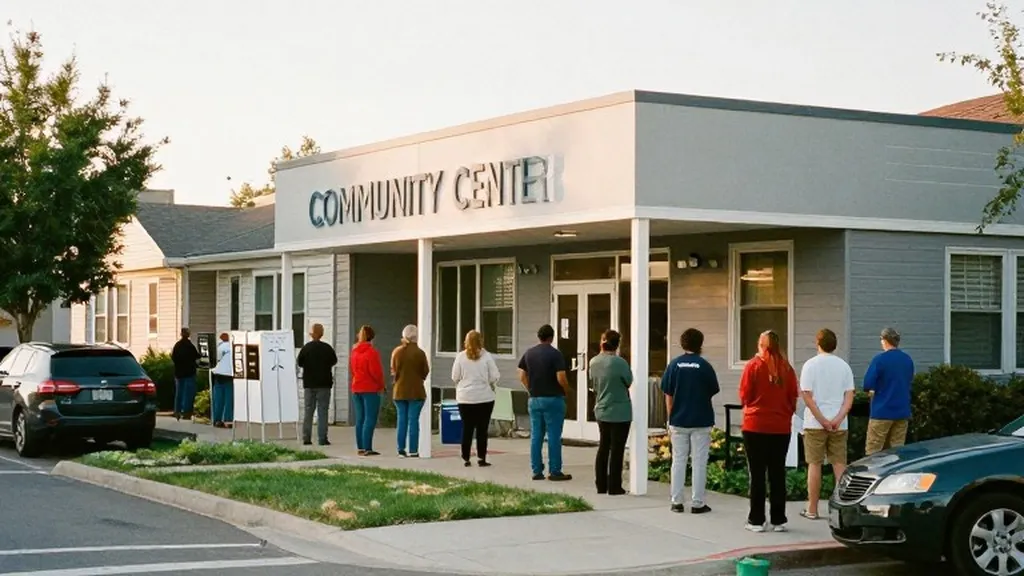
Voters heading to the polls on Election Day are witnessing what is projected to be the most expensive election in American history. The Associated Press reports that the total financial scale of the 2026 midterm cycle has surpassed all previous records, driven by intense competition for control of Congress. This unprecedented spending reflects the high stakes involved in determining who will hold legislative power during the final two years of President Donald Trump's second term. As polls open across the nation, the money trail offers a distinct snapshot of where each party believes its resources are best deployed.
A detailed analysis of advertising data reveals a significant divergence in how the two major parties have allocated their funds. At the committee level, Republican organizations have outraised and outspent their Democratic counterparts. This advantage was bolstered by contributions from Trump-affiliated groups and significant financial support from Elon Musk. The Associated Press notes that these super PACs and party committees have poured resources into national and state-wide efforts to secure the upper chamber.
However, the picture changes when examining spending directly tied to individual candidates. At this level, Democrats have outraised their Republican opponents. This candidate-level edge suggests that Democratic campaigns have been more successful in building direct financial support from their constituents and smaller donors. This split in financial advantage creates a complex dynamic where the party with the most committee money is not necessarily the one with the most resources at the local ballot box.
The allocation of Republican television advertising provides further insight into their strategic focus. According to an Associated Press analysis of AdImpact data, 88.1 percent of Republican general election TV ad spending went to states and districts that Trump won in 2024. Within this category, more than $850 million was spent in districts where the president won by ten points or more. This heavy concentration of funds in solidly Republican areas indicates a strategy focused on reinforcing the party base and ensuring high turnout in safe districts, rather than stretching resources thin across marginal seats.
Democrats have adopted a different financial approach, likely driven by their need to pick up a net gain of three House districts to achieve a majority. With Republicans holding 218 seats and Democrats 214, the margin for error for the minority party is extremely small. The candidate-level fundraising edge may allow Democratic campaigns to target specific battleground districts where they see a path to flipping seats. This targeted spending is crucial in a cycle where Ballotpedia identifies 46 battleground House districts, with 25 currently held by Democrats and 21 by Republicans.
The financial disparity between committee and candidate spending also highlights the role of third-party actors in modern elections. Trump-affiliated groups and Elon Musk's contributions have been pivotal in boosting Republican committee coffers. These funds are often used for broad message campaigns that define the terms of the debate, such as cost of living and the war with Iran. In contrast, Democratic candidates have relied more on grassroots fundraising and small-dollar donations to build their war chests, allowing them to compete effectively in key local races despite the larger committee spend from the other side.
As the election unfolds, the interplay between these financial strategies will be closely watched. The Associated Press notes that Republicans are bracing for the possibility of losing the House, a pattern common in midterm elections for a president's party. Their heavy spending in blue-collar districts where Trump performed well in 2024 is an attempt to defy this historical trend. Meanwhile, Democrats are cautiously optimistic, banking on their ability to mobilize voters in the 21 districts they hold that voted for Trump in the previous presidential election.
The new congressional maps in six states, including California, Florida, Texas, and North Carolina, add another layer of complexity to the financial battle. Republicans attempted to use redistricting to create more favorable districts, but the effectiveness of these new maps remains to be seen. The allocation of funds to these states will be a key indicator of whether the parties believe the new boundaries offer a viable path to victory. The heavy spending in Florida and Texas, for instance, suggests that both parties view these states as critical to their overall strategy.
Beyond the raw numbers, the financial landscape of this election reflects the broader political mood. With 35 percent of adults approving of Trump's job performance and 25 percent approving of his handling of the economy, the spending reflects a party out of power trying to capitalize on voter dissatisfaction. The high prices and unpopular war with Iran are central themes in the advertising, with both parties spending heavily to shape the narrative around these issues. The most expensive election in history is ultimately a contest to define what those costs mean for the average American voter.
The final tally of spending will provide a lasting record of the 2026 cycle. While the committee-level advantage for Republicans and the candidate-level edge for Democrats represent different facets of the same financial war, the ultimate test will be in the voting booths. As more than 57 million people have already cast their ballots, the money has done its work in shaping the race. Now, the voters will decide which financial strategy translates into legislative control for the next two years.