Directors Share Odd Paths to Debut
Five filmmakers at the Tokyo International Film Festival described how chance encounters and personal backgrounds shaped their first features.
By Yasmin Kovalenko ·
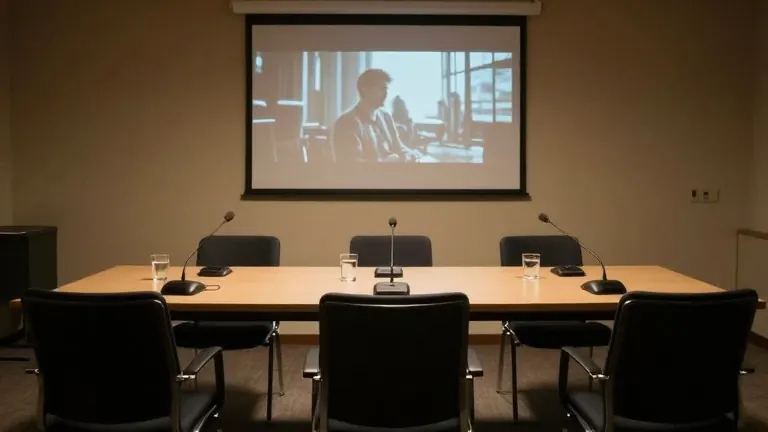
Five first-time directors gathered at Tokyo Midtown Hibiya to discuss the unconventional origins of their latest films. The panel, moderated by TIFF programming director Ichiyama Shozo, featured creators from the Nippon Cinema Now program. They explained how personal histories and direct outreach led to the production of radically different features.
Ueda Shinichiro, director of “Earthlings in Love,” explained that his film began as a 30-episode microdrama series for social media. He noted the vertical format was a necessity for that platform. However, he produced the project with a budget equivalent to a regular independent film. Ueda said he approached the work as a theatrical release from the start, allowing the series to function as a feature length piece.
Saito Kisin’s debut, “Kefi,” emerged from a sponsorship arrangement that initially called for a theme of maternal love. The sponsor eventually granted the team creative freedom to make the film as they saw fit. Saito said the final product follows three sisters after the death of their father. He described the result as strange, noting that the sponsor’s initial theme was abandoned in favor of the director’s personal preferences.
Natori Satoshi drew on his past as a hunter for “Chihiro | Akemi.” He filmed in a house in eastern Hokkaido, using the experience to explore the shift in personality that occurs in the wilderness. Natori said the film reflects the uncanny feeling of another self emerging. The project won the Grand Prix at the Split Film Festival in Croatia, a victory that led to a potential collaboration with Mexican director Carlos Reygadas.
Yaza Takenoshin, director of “Hinotama: Ball of Fire,” reached out directly to cinematographer Kitagawa Yoshio, known for his work with Hamaguchi Ryusuke. Yaza admitted he did not understand the financial scale of a feature film when he sent the message. Kitagawa agreed to shoot the project and connected Yaza with a producer who secured financing. Yaza described his first set experience as generous and open minded.
Matsumura Shingo, who directed “Between Us,” spoke about the freedom to explore the overlap between theater and reality. He said the project allowed him to focus on concepts without strict constraints. The panel concluded with Natori’s observation that a first feature should satisfy the director because it is a unique creative opportunity that can only happen once.
Source: Variety