Lula wins Brazil runoff with 64 million votes; Bolsonaro files challenge
A late extension added 10.4 million voters to the tally, shifting the outcome for the incumbent president who faces a legal bid from Senator Flávio Bolsonaro.
By Yasmin Kovalenko ·
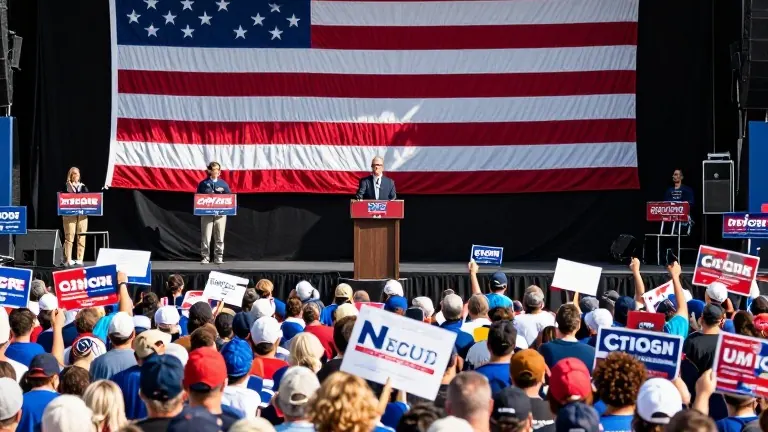
President Luiz Inácio Lula da Silva secured his fourth non-consecutive term in Brazil’s presidential runoff on Sunday. He won with more than 64 million votes, outpacing Senator Flávio Bolsonaro, who received just under 60 million. The margin represents a difference of nearly 4 percent. Lula is scheduled to take office on January 5, 2027.
The race was defined by a sudden nationwide extension of voting hours requested by both candidates. This last-minute change, ordered by a Supreme Court justice minutes before polls were set to close at 5 p.m., resulted in an additional 14.1 million voters casting ballots in the second round. Analysts estimate that three-quarters of these late-arriving votes went to Lula.
Senator Flávio Bolsonaro announced on Sunday that he intends to request an annulment of the election. He cited the chaotic extension as the primary reason for the legal challenge. His father, former President Jair Bolsonaro, is serving a 27-year sentence for a coup attempt and unsuccessfully contested his own loss to Lula in 2022. Flávio Bolsonaro visited his father, who is under house arrest, on Monday.
President Donald Trump questioned the validity of the results on Monday. Without presenting specific evidence, he told reporters that the election looked "rigged." He stated, "Elections have to be indisputable and it looked very bad to me." Trump added that the tabulation process had a "very bad look." He made these remarks before departing for a rally in Mississippi.
The surge in turnout was driven by a digital campaign managed by lawmaker André Janones. Janones operated a WhatsApp channel called "Lula's Army" that gathered nearly 11 million people. This network mobilized previously uncommitted voters, those who had abstained in the first round, and supporters of third-party candidates. Professor Oliver Stuenkel of Fundação Getulio Vargas described the strategy as an aggressive adoption of right-wing messaging techniques.
The electoral court ruled on October 15 that Meta Platforms must ensure equal treatment for both presidential candidates. The campaign argued that algorithms on Instagram, WhatsApp, and Facebook favored Bolsonaro’s messages. Professor Juliano Cortinhas of the University of Brasília said the social media initiative pressured the technology company to address what the campaign termed external interference.
Kassio Nunes, president of Brazil’s electoral authority, recognized Lula’s victory on Sunday. Nunes was appointed to the Supreme Court by Jair Bolsonaro. Brian Winter, editor-in-chief of Americas Quarterly, noted that key political figures in Brazil are closing ranks behind Lula, despite their conservative leanings. He observed that these power brokers are reluctant to pursue a truly contested election.
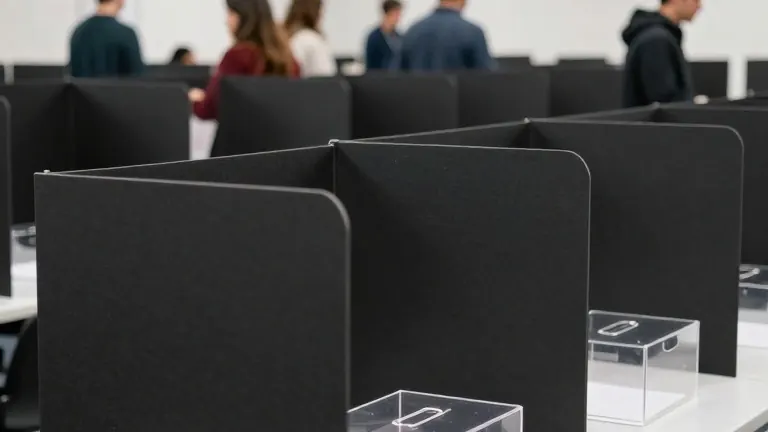
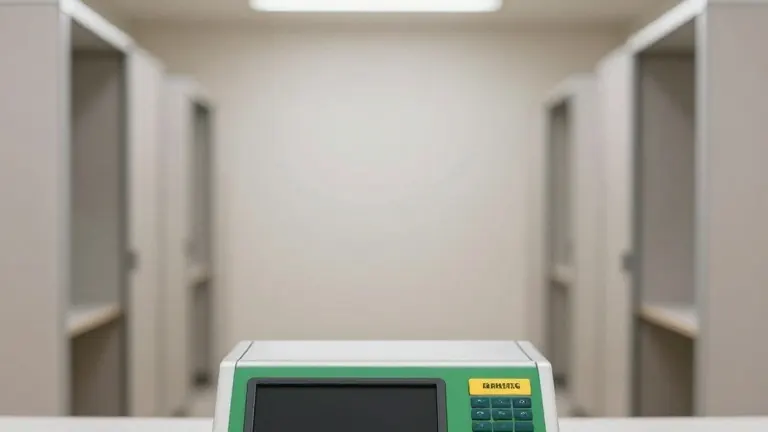
Voter turnout surged in wealthier metropolitan centers, but Lula recorded his highest gains in lower-income municipalities. In Brasilia, Jorge Henrique Oliveira Sena, a 26-year-old maintenance worker, said he did not vote in the first round but chose Lula in the runoff because he felt a stronger connection to the incumbent. Brazil has used electronic voting machines since the 1990s, a system that has rarely faced fraud allegations.
Lula faces a right-wing Congress where Bolsonaro’s party holds the most seats. His term begins in 2027, and he will need to navigate fiscal challenges and deep political polarization. Flávio Bolsonaro will remain a senator until his term ends in January, providing a platform to continue his legal and political challenges against the new administration.
Source: ABC News