Malls and App Drivers Reshape Brazil's Presidential Race
In Osasco, the shift from factories to service jobs flipped a key city to Flávio Bolsonaro, challenging President Lula's traditional base.
By Lucas Murphy ·
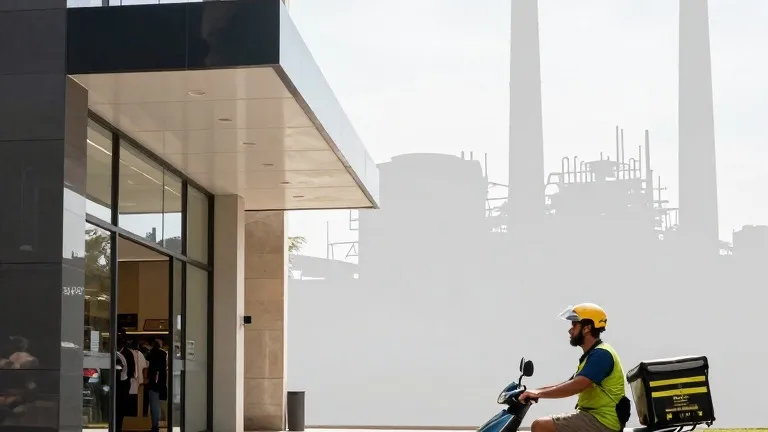
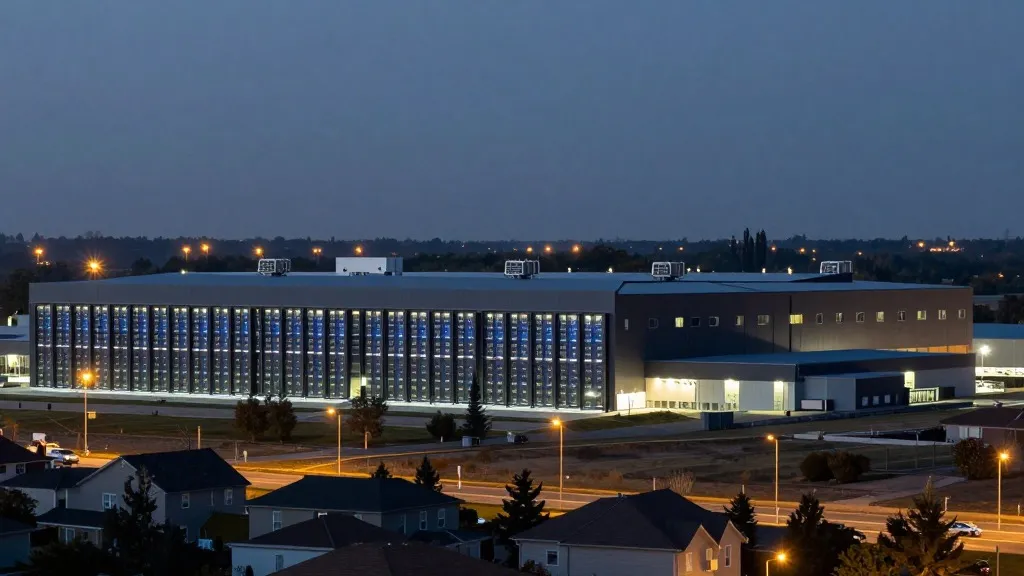
Osasco, a suburb of São Paulo once known for heavy industry, has become a bellwether for the Brazilian presidential runoff. The city, now dubbed the local Silicon Valley, saw its manufacturing base replaced by shopping malls and delivery platforms. In 2022, Osasco voted for President Luiz Inácio Lula da Silva. In this month's first round, it shifted to right-wing candidate Flávio Bolsonaro.
Gilberto Almazan, leader of a local metalworkers' union, attributes the change to deindustrialization. He notes that metal, chemical, and textile plants closed while five new malls opened. Almazan describes the traditional union movement as outdated, calling it stuck in the Middle Ages. He observes that many workers have moved into roles as drivers, couriers, or small traders, a shift he terms Uber-isation. These workers, he argues, prioritize flexibility over the collective benefits Lula has historically championed.
Richard Lapper, a biographer of both Lula and Jair Bolsonaro, suggests Brazil's late industrialization and early deindustrialization have amplified these economic pains. He describes Lula as a victim of his own success. While unemployment reached a record low under Lula's administration, Lapper points to a crisis of expectations. Citizens report feeling financially strained due to higher prices, household debt, and high interest rates, despite improved macroeconomic indicators.
Voter sentiment reflects this friction. Robson, a 53-year-old civil servant, cites government mismanagement and heavy taxes as reasons for his dissatisfaction. Tairine, a hot dog seller who previously abstained, now supports Bolsonaro, stating that conditions have not improved since Lula returned. Gisele Bonfim, a lawyer who voted for Lula in 2022, says she now sees Bolsonaro as offering a hope for change.
Flávio Bolsonaro proposes cutting government spending and ministries while retaining key welfare programs. He faces corruption accusations, which he denies. In the first round, 33 million people did not vote, the highest abstention rate since 1998. Lula's campaign is countering with large street rallies, including one in São Paulo that drew approximately one million people. Lula, 80, has also used social media to address age concerns, branding himself the king of selfies.
Among lower-income voters, Lula’s welfare record still holds weight. In Maré, a large favela in Rio, Lula won despite above-average abstention. Vitoria, an 18-year-old mother earning under £300 a month, values the minimum wage increase and free medicines. She remains wary of Bolsonaro's plan to designate the Comando Vermelho gang as a terrorist organization, citing police raids in Rio last year that killed more than 130 people. Pastor Silas Malafaia, who is investigating the coup trial of Jair Bolsonaro, notes that Flávio Bolsonaro aligns with evangelical values on family and abortion, a demographic that now comprises about a quarter of the population.
The first-round results appear to reflect a rejection of Lula more than a strong endorsement of his rival. Almazan fears there will never be another Lula. The runoff will test whether voters believe Lula can adapt his economic message to a workforce that has largely left the factory floor.
Source: BBC News
More Business · World news · Bad Business · Report a business · Got a Story?