Manila cemeteries fill for Undas
Thousands of Filipinos visited gravesites on Sunday to maintain a tradition that blends Catholic rituals with pre-colonial ancestor veneration.
By Jisoo Vega ·
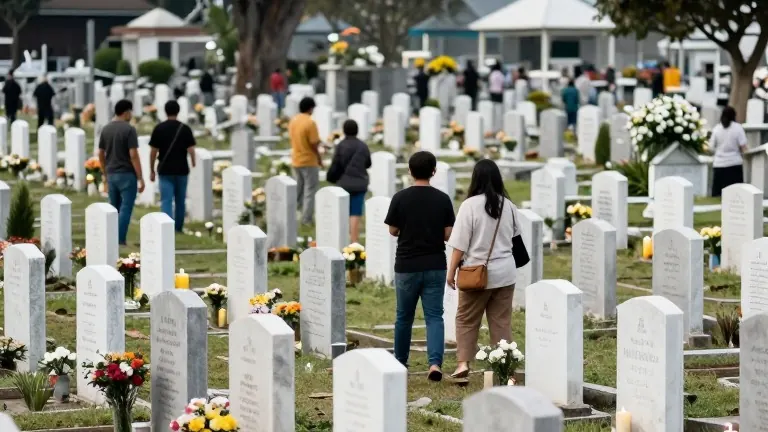
Thousands of Filipinos crowded into cemeteries across Manila on Sunday to mark All Saints' Day. The gathering, known locally as Undas, brought families together to visit the graves of their deceased relatives. The term derives from the Spanish word "honras," which translates to honors.
Lorita Santos was among the visitors who traveled to the final resting places of her father and three other relatives. Her family observed the occasion by placing flowers and lighting candles at the headstones. They also spent time praying and sharing snacks while reflecting on the memories of their loved ones.
Santos stated that passing away does not mean a person should be forgotten. She recalled how her father provided small gifts to his children and grandchildren on every payday. Her family intends to pass this custom on to the next generation to ensure the tradition survives.
Nestor Castro, an anthropology lecturer at the University of the Philippines Diliman, explained that ancestor veneration in the Philippines predates Spanish colonization. Before the arrival of the Spanish in 1565, Filipinos honored ancestral spirits known as anito by offering food and other gifts. These practices were part of a broader tradition of honoring the dead without being tied to a specific calendar date.
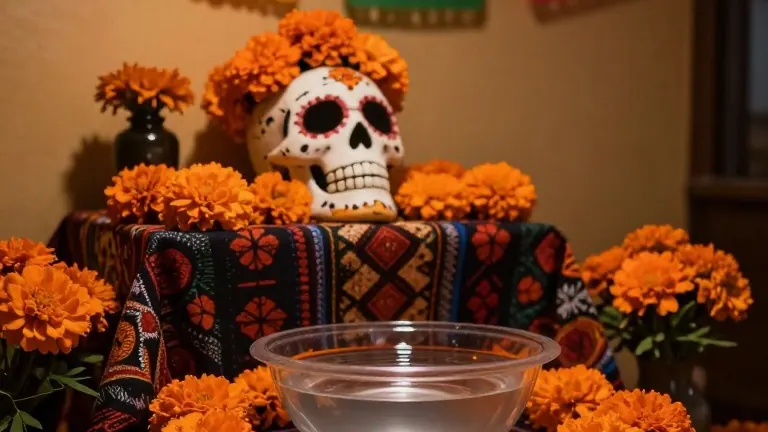
The introduction of Catholicism by the Spanish changed the observance. The current tradition incorporates beliefs and customs that existed before colonization. The Manila-Acapulco galleon trade connected the Philippines and Mexico for centuries under Spanish rule. Both countries now share similar customs for honoring the dead, including the use of altars, marigolds, and music.
Castro noted that death in Filipino culture serves as a binding event for families. During funeral wakes, relatives often wait for distant family members to arrive before proceeding with burial. This practice turns funerals into family reunions. The same sense of togetherness extends to Undas, where families share sticky rice cakes to symbolize the bonds between relatives.
Mike Mamaril, a 42-year-old school maintenance employee, participates in the tradition based on a custom passed down from his grandparents. He makes time for the annual visit despite having few other opportunities to visit his parents' graves. The gathering provides a chance to reminisce about lighter moments from his childhood, such as who among the siblings received the most scoldings.
The observance of Undas spans two days, covering All Saints' Day on November 1 and All Souls' Day on November 2. Similar customs are observed in other nations with strong Catholic traditions, including Bolivia, Poland, and Hungary. In those countries, families also gather to honor the dead with flowers, candles, and prayers.
Source: WRAZ