Molecular Cages: Light-Controlled Drugs Target Specific Proteins
New ruthenium-based technology allows researchers to activate protein-degrading molecules only in tissues exposed to red light, potentially reducing side effects.
By Yasmin Kovalenko ·
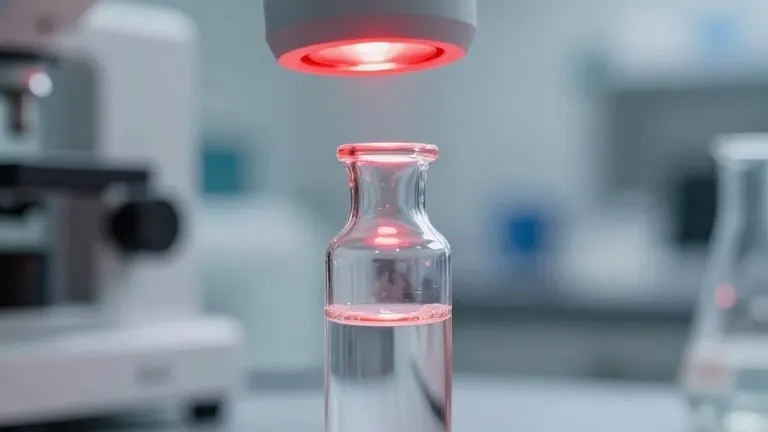
Chemists at North Carolina State University have developed a method to activate protein-degrading drug molecules only when they are exposed to low-energy red light. The technology, named RuPHOTACs, addresses a primary limitation of current treatments by controlling exactly when and where these molecules become active.
Proteolysis-Targeting Chimeras, or PROTACs, function by binding a target protein to an enzyme that tags it for natural cellular degradation. While this mechanism removes disease-associated proteins rather than merely inhibiting them, it often affects healthy tissues. Many proteins involved in cancer also perform essential functions in other parts of the body, meaning a drug that acts indiscriminately can cause unwanted side effects.
Edith C. Glazer, a professor of chemistry at NC State University and the study's corresponding author, explained that specific targets unique to cancer are rare. Most disease-associated proteins are also vital for healthy tissue. The new cage structure provides the necessary control to activate the drug only in the intended location.
The RuPHOTAC system incorporates a ruthenium complex, a metal from the platinum group, which acts as a molecular barrier. Glazer described the ruthenium as a beach ball that prevents the two components of the PROTAC from interacting. When low-energy red light penetrates the tissue, it removes the ruthenium barrier, allowing the molecule to begin degrading the target protein.
The research team tested the RuPHOTACs in both laboratory settings and zebrafish models. They monitored protein destruction by attaching fluorescent tags to the target proteins and measuring their numbers after light exposure. The study found that the RuPHOTACs were non-toxic in the fish model and effectively reduced the levels of targeted proteins in specific areas.
The researchers noted that light penetration works best in lighter pigmented tissues. The study demonstrated high selectivity for activation in light versus dark conditions and improved potency against the target proteins. This approach allows for the precise triggering of protein degradation where it is needed.
The work was published in Nature Communications on September 30, 2026. The study received majority funding from the Kentucky Cabinet for Health and Family Services under Grant 1000200168. Additional support came from the National Institutes of Health under grant R01GM162746, which covered approximately 10% of the project costs.
Contributors to the study included Dmytro Havrylyuk, Ainsley P. LaMore, and David K. Heidary from NC State University. Researchers Majd A. Al-Hamaly and Jessica S. Blackburn from the University of Kentucky also contributed to the project.
Source: NC State News