Space Industry Shifts: SpaceX declines military work as European rocket nears readiness
While SpaceX turns down three new military contracts, Spain's PLD Space reports that its Miura 5 rocket is nearly ready for its first flight.
By Lucas Murphy ·
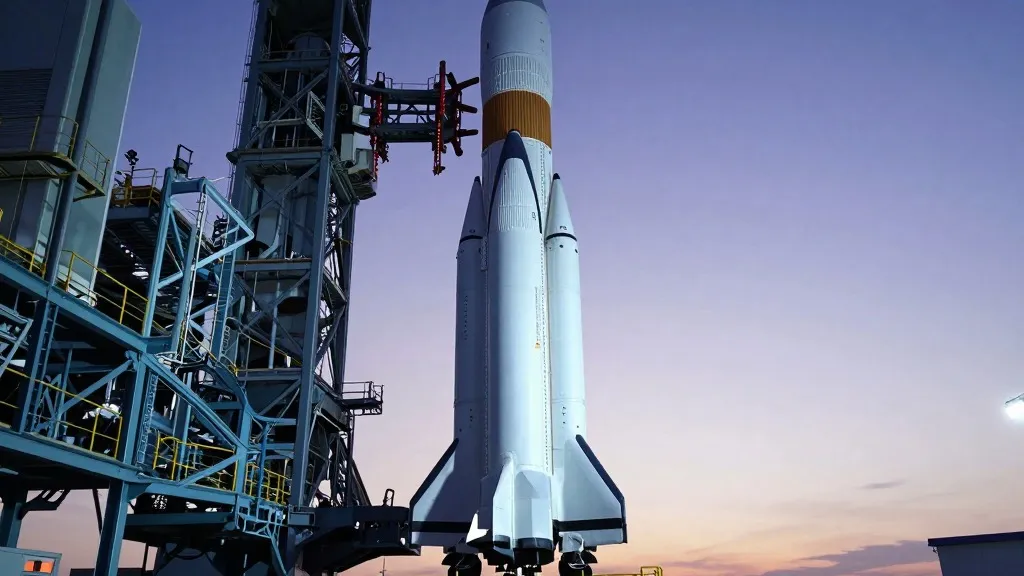
The launch industry is currently navigating a period of complex trade-offs and strategic pivots. On one hand, the dominant American player is retreating from a specific government market, while on the other, a smaller European competitor is edging closer to its maiden voyage. This week brings a mix of surprising decisions from the United States and steady progress from Spain, highlighting how the global space economy is evolving in different directions simultaneously.
SpaceX has officially declined three launch contracts offered by the US Space Force. This move comes as a shock to many observers who expected the company to continue its strong partnership with the military. By saying no to these specific opportunities, SpaceX is signaling a potential shift in how it prioritizes its heavy-lift capabilities and resources in the near term. The decision adds a layer of uncertainty to the military's launch schedule and forces other providers to consider if they can fill the void.
This rejection occurs alongside another significant development for SpaceX’s flagship vehicle. A NASA safety panel has indicated that the Starship rocket might require up to 22 refueling stops to support a lunar landing mission. This high number of in-space refuelings raises technical challenges and questions about the efficiency of the proposed architecture. It suggests that the path to a crewed lunar mission remains fraught with engineering hurdles that need to be solved before any astronauts can travel.
In Europe, PLD Space is making tangible progress with its Miura 5 rocket. The company reports that the vehicle is nearing final integration, a critical step before it can undertake its inaugural launch. Aviation Week notes that the rocket is expected to fly before mid-2027. This timeline places PLD Space firmly on the map as a serious contender in the small-lift market, offering a viable alternative to other providers in the region.
CEO Raúl Torres explained that the company has already manufactured three Miura 5 vehicles. Two of these were used to qualify key system elements, while the third is the one destined for the first actual orbital launch. Torres stated that this approach allowed their teams to work continuously across different stages of production. By applying lessons learned from each qualification campaign directly to the launch vehicle, the company aims to reduce risk and ensure a smoother first flight.
Specific progress has been made on the second stage of the rocket. One Miura 5 second stage is now fully integrated and is ready to kick off system-level testing. These tests will be conducted under representative operating conditions to ensure the hardware can handle the stresses of flight. The stage is currently at PLD’s test facility in Teruel, where it will undergo a qualification campaign that includes a wet dress rehearsal and a static hot-fire test.
Meanwhile, in Canada, Reaction Dynamics is looking to expand its operations significantly. The company, which is one of three prominent Canadian launch startups, is seeking to raise 350 million dollars. This funding round is intended to grow its staff from 68 to more than 350 people. The capital will support the development of its small-lift Aurora rocket, which the company hopes will reach orbit in 2028.
Reaction Dynamics is not stopping at small-lift vehicles. The company has also announced plans to build a medium-lift rocket named Borealis. This larger vehicle is targeted for a debut by 2031. This dual-track strategy allows the company to serve different segments of the market while it builds out its infrastructure and workforce in Canada.
As these stories unfold, the broader picture of the commercial space sector becomes clearer. Companies are making bold choices about which markets to pursue and how to scale their operations. For readers in the Southeast and beyond, these developments underscore that the space race is no longer just about getting to orbit, but about optimizing the business models and technical architectures that make frequent, reliable launches possible.
Source: Ars Technica · original report published