Tesla Narrows Self-Driving Vision
The automaker redefines its next milestone as a fleet integration rather than a universal software update for individual owners.
By Jisoo Vega ·
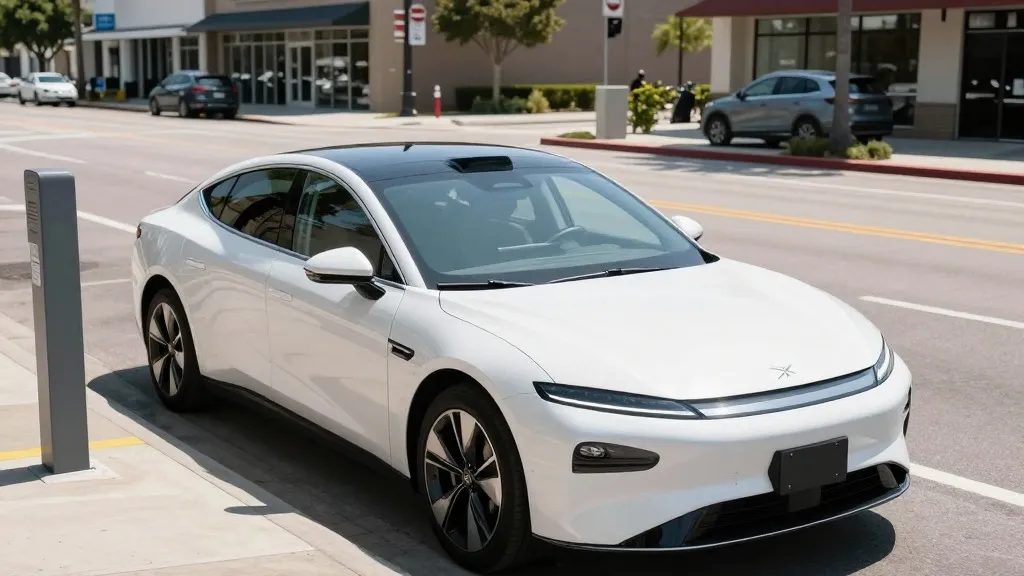
Tesla has officially set a new target for its autonomous vehicle roadmap, announcing that unsupervised Full Self-Driving features will become available in customer-owned vehicles during the second quarter of 2027. This date was confirmed by Ashok Elluswamy, the company’s AI chief, during the third-quarter earnings call held on October 21, 2026. The announcement responds directly to a top question from retail shareholders who hold approximately 1.1 million shares and have long awaited a clear timeline for true autonomy in their personal cars.
The primary claim from Tesla is that this milestone represents a strategic shift in how the technology is deployed. Rather than providing a simple software update that allows any owner to drive their vehicle anywhere in an unsupervised mode, the company plans to integrate these private vehicles into its managed Robotaxi network. In this model, a customer’s car would operate autonomously only within the specific geographic zones where Tesla’s own Robotaxi service is already active. This means the vehicle functions as part of a larger, centrally managed fleet rather than an independent autonomous unit for the owner.
There are significant caveats regarding the current scope of these operations. Tesla’s Robotaxi service currently operates in six U.S. metropolitan areas, but the designated service areas are often limited to small slices of those cities. For example, the Miami zone covers mostly West Miami and a strip toward Doral and Sweetwater, while Orlando and Tampa launched with similarly restricted boundaries in July. Within these areas, the service generally avoids highways and sticks to low-speed routes to manage risk. In the Bay Area, the system is not yet unsupervised because California regulations require a safety driver in every vehicle unless specific data is released to the DMV, a step Tesla has not yet completed.
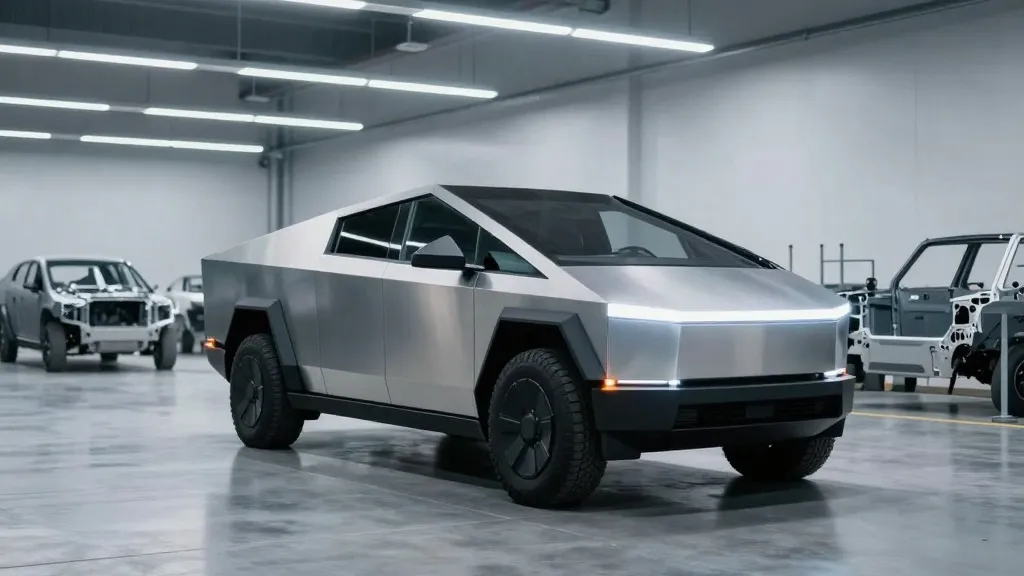
The scale of the current fleet also presents an open question for investors. Tesla reported nearly 2 million cumulative unsupervised miles by the end of the third quarter, a figure reached shortly after the Cybercab joined the Austin fleet. However, third-party tracking suggests that the number of fully driverless Teslas on the road remains in the dozens, far below the hundreds of thousands previously envisioned. Competitors like Waymo have already established a presence in Orlando and Tampa with over 3 million miles of driving experience, highlighting the competitive gap in the autonomous space.
This new timeline differs from past promises made by Elon Musk, who previously suggested unsupervised personal use would be available by the end of 2025. Owners of older hardware versions have also been told their computers cannot support the feature without a clear upgrade path. The current proposal is narrower in scope, limiting autonomy to Tesla’s controlled zones and terms. While safety remains the stated bottleneck, the company admits it is still determining the exact timing for broader deployment.
For consumers in the Southeast, particularly those in Miami, Orlando, and Tampa, this development signals a gradual expansion of autonomous options. However, the integration of personal cars into the Robotaxi fleet suggests a hybrid model where ownership includes participation in a shared network. Until the service expands beyond these small geofences, the promise of a car that drives anywhere remains a future goal rather than an immediate reality for most buyers.
Source: Electrek · original report published
More Business · Bad Business · Report a business · Got a Story?