Warhound Secures $200 Million to Clone Military Working Dogs
A new venture backed by tech and biotech leaders aims to genetically refine and clone high-performance dogs for US defense contracts, with the first litter expected in 2027.
By Jisoo Vega ·
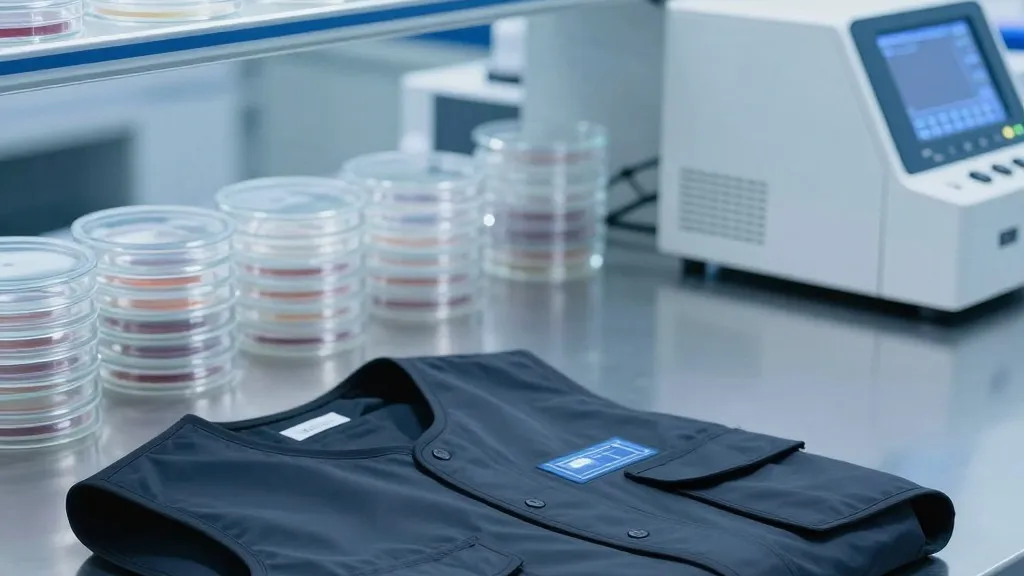
Warhound has closed a $200 million funding round to begin the process of cloning and genetically editing dogs for the United States military. The startup, which launched this week, intends to combine advanced biological research with specialized protective gear to create a new class of working animals for defense applications.
The company is a joint effort involving two prominent figures in the technology sector: Ben Lamm, a co-founder of Colossal Biosciences, and Palmer Luckey, the creator of Anduril Industries. While the partnership brings together expertise in both biology and hardware, the division of labor is clear. Colossal will handle the genetic modifications, while Anduril will focus on designing the equipment the dogs will wear.
According to Lamm, the team has already started working with cell samples collected from a specific group of donor dogs. These animals were selected from top-performing military, police, and first responder units across the country. The primary breeds included are Belgian Malinois, supplemented by some Labrador Retrievers and German Shepherds. The goal is to clone these proven performers after making targeted changes to their DNA.
The initial phase of the research targets common health issues that affect these breeds, such as hip dysplasia and specific types of cancer. Lamm indicated that the company may pursue further enhancements in the future, potentially increasing speed, agility, or olfactory sensitivity. However, the current focus remains on improving the longevity and reliability of the animals rather than adding radical new capabilities.
Anduril’s involvement is limited to the hardware side of the operation. The startup is not planning to create cyborg dogs at this stage. Instead, Anduril will design the software and tools for protective gear, including goggles, vests, and body armor, intended to keep the animals safe during their duties. This approach separates the biological engineering from the mechanical equipment.
The ownership structure of the new venture differs slightly from the public perception of the partnership. Although Luckey is listed as a partner, neither he nor Anduril holds an equity stake in Warhound. Colossal Biosciences does have a financial interest in the company, and Lamm serves on its board of directors. The day-to-day operations are led by David Spirk, who previously worked at Palantir.
Both founders bring significant experience to the project. Luckey is known for founding Oculus VR and developing the Rift headset. His defense company, Anduril, has recently secured a US Army contract to build a next-generation battlefield intelligence system in collaboration with Palantir. The company also partnered with OpenAI in 2024 to develop artificial intelligence for the Pentagon. Lamm’s firm, Colossal, is recognized for its de-extinction projects, including efforts to revive the dire wolf and the woolly mammoth.
The first batch of these genetically engineered dogs is expected to be born in early 2027. Once they reach maturity, the animals will be trained for roles already filled by current working dogs, such as bomb detection and search-and-rescue missions. The startup aims to offer the military a more durable and capable workforce in these critical areas.
Source: Engadget