iPhone Duo Launches at $1,999 With Touch ID and New Camera Tricks
Apple's long-awaited folding device enters the market with a premium price tag, a return to fingerprint sensors, and software that is still catching up to the hardware.
By Jisoo Vega ·
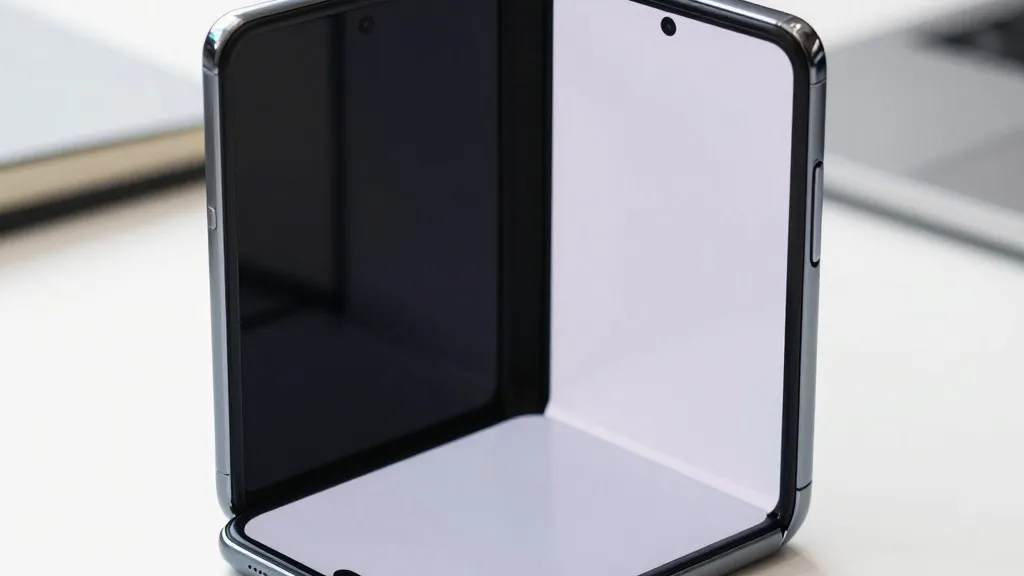
Apple has finally unveiled its first folding smartphone, the iPhone Duo, seven years after Samsung pioneered the category. The device carries a $1,999 price point, a significant investment for consumers who must consider several factors before making a purchase. Early industry assessments suggest that the lengthy development period in isolation allowed for robust hardware refinement. Critics have described the new device as a very capable foldable, though the high cost demands careful scrutiny of its current limitations.
Software compatibility remains the most immediate hurdle for new owners. The phone features a 5.4 inch outer display and a 7.6 inch inner screen, a form factor that many applications have not yet addressed. While Apple’s native apps display correctly, numerous third-party programs appear as narrow strips flanked by thick black bars. Although major platforms like Slack, Instagram, DoorDash, and WhatsApp have received updates for iOS 27.1, some interface elements remain broken. Apple also shifted navigation controls to the right side of the screen. Because the device is currently back-ordered for weeks, developers may resolve these issues before many customers receive their units.
The iPhone Duo also departs from recent design trends by dropping Face ID in favor of Touch ID. The fingerprint sensor is located on the right edge, a move likely driven by the device’s thin profile. This marks the first return of this biometric method to a flagship iPhone, though it has remained on the SE, iPads, and MacBooks. The Dynamic Island has been repositioned to the top right corner around the outer selfie camera. It also appears in the same location on the inner display during live activities.
Accessories require careful selection. While the phone supports MagSafe, its uneven weight distribution causes it to tilt when unfolded and attached to car docks or tripods. Third-party manufacturers may need to implement anti-rotation magnets to fix this. Magnetic wallets also present an issue, as they protrude past the bottom edge due to the device's shorter height. Apple has not yet provided an official solution for these physical fit problems.
Photography capabilities stand out as a major strength. Users can utilize the superior rear cameras for selfies while previewing the shot on the outer screen. A specific control allows the full camera app to migrate to the outer display, disabling the inner screen to prevent accidental touches. This feature is distinct from Duo Preview, which lets the subject view the frame, and Kids Cue, which uses animations to engage children.
Multitasking works by dragging an app to either side of the inner screen to run two programs simultaneously. Tapping the central bar locks the two apps as a pair within the recent apps menu, though they cannot be saved as a single icon. Users should also handle the inner display with care. The matte nano-texture finish is an integral part of the hardware that Apple warns against removing. A damaged finish can be replaced for $19 in warranty or $49 out of warranty, while a cracked inner display costs $999 without AppleCare+.
Additional features are on the way. A split keyboard is already available for easier typing. Later this year, an update will introduce a new Reachability function that shifts apps sideways. Another update will add support for the USB-C Apple Pencil, allowing for a paper-like writing experience on the textured screen, though the phone lacks a built-in storage slot for the stylus.
Source: Wired