Cuban Families Face New Pressure as US Leaders Push for Rapid Political Shift
Washington officials are urging an immediate transition in Havana while debating the role of military assets and intelligence agencies in the process.
By Yasmin Kovalenko ·

The geopolitical landscape surrounding the Caribbean is shifting rapidly, creating a tense new chapter for millions of residents on the island. This week brought a surge in activity from Washington, with senior officials sending mixed but urgent signals to the Cuban public. The focus has moved from long-term diplomatic talks to immediate calls for action. This development comes at a critical moment for the region. It follows a period of intense economic strain and diplomatic friction. The timing suggests a coordinated effort to capitalize on current vulnerabilities.
Secretary of State Marco Rubio issued a direct message to citizens on the island who desire political transformation. He declared that the moment to act has arrived. In a social media post, he addressed those seeking positive change. He highlighted the frustration caused by broken promises and widespread corruption. He also pointed to the disparity in living standards among the elite. The core of his message was an invitation to seize this specific opportunity. He suggested a partnership with the Central Intelligence Agency to facilitate this change. The post was aimed at mobilizing domestic support for a transition.
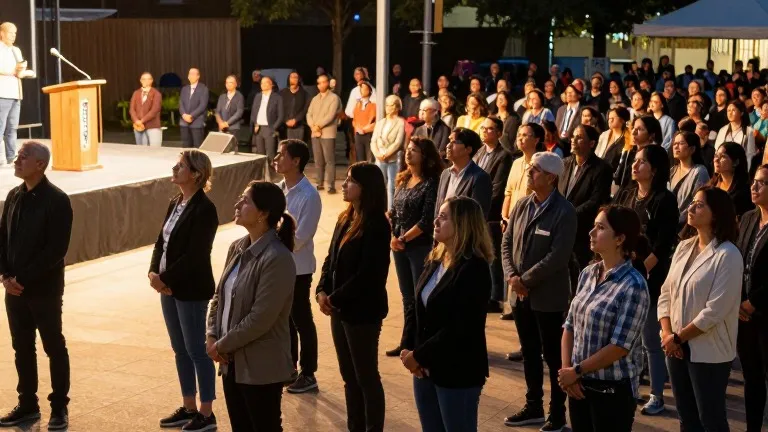
This call for action followed a comment made by President Donald Trump at a rally in South Florida. The event was a support gathering for candidates ahead of the midterm elections. Trump responded to a question from the crowd regarding the island nation. He described a scenario where American warships return from operations in Iran. He proposed that these vessels would make a brief stop near the Cuban coast. One ship would anchor approximately fifty yards offshore. The sailors would raise their hands in a gesture. Trump stated that Rubio would then be sent to finalize a deal. This narrative revived a concept he had mentioned earlier in the year but had not recently publicized.
There is a notable ambiguity in the language used by the Secretary of State. He described the proposed alliance as a discrete partnership. In this context, the intended meaning appears to be discreet, implying secrecy or privacy. The word actually used suggests a separate or distinct entity. This linguistic choice has drawn attention to the nature of the proposed engagement. It adds a layer of complexity to the public messaging. The administration is trying to balance openness with the inherent secrecy of intelligence work. This distinction may matter to voters watching the proceedings.
The reaction in Havana has been sharp and critical. Cuban Deputy Foreign Minister Carlos Fernandez de Cossio responded on social media. He characterized the US approach as public recruitment for the intelligence agency. He used a vivid metaphor to describe the situation. He compared the agency to a tube of toothpaste being sold. He suggested that this method implies a level of desperation or misery within the organization. This response highlights the ongoing tension between the two governments. It underscores the difficulty in finding common ground during such high-stakes negotiations.
Both leaders have maintained an aggressive posture toward the island. Trump has previously indicated that Cuba could be the next target for intervention. This prediction follows the conclusion of the conflict in Iran. He has long anticipated this outcome. In May, both officials raised the possibility of military action. This threat gained weight after the administration filed criminal charges against former leader Raul Castro. Trump told reporters in the Oval Office that previous presidents had considered intervention for decades. He expressed confidence that he would be the one to execute it. Rubio framed the issue as a national security concern due to Cuba's ties to US adversaries. He expressed doubt that a peaceful resolution was possible with the current leadership.
The diplomatic path has been inconsistent and often stalled. Rubio and other aides have met with Cuban officials in recent months. These discussions aimed to explore improved relations. However, the US side left these meetings unimpressed with the progress. This led to the imposition of additional sanctions. At the United Nations General Assembly last month, Trump described Rubio as being deep into negotiations. He expressed an expectation that a deal would be reached without military force. Just days later, the two governments clashed at the UN. The dispute centered on a vote condemning the US economic embargo. This back-and-forth illustrates the fragility of the current diplomatic channel.
The context for these moves is a deepening crisis on the island. Cuba has faced economic and energy challenges since 2020. The gross domestic product has contracted significantly. The population of ten million has endured blackouts and food shortages. Inflation continues to erode purchasing power. Waves of protests have emerged in response to these conditions. Hundreds of thousands of residents have emigrated, with many arriving in the United States. This internal pressure creates a receptive audience for external calls for change. The combination of internal hardship and external pressure defines the current situation. The coming weeks will likely reveal whether these diplomatic and military signals translate into tangible shifts on the ground.
Source: The Guardian