50 Yards: The Distance Cuba Says Separates It From U.S. Warships
U.S. officials are urging Cuban citizens to form a covert alliance with the CIA as new economic sanctions and naval threats intensify the pressure on the island's government.
By Jisoo Vega ·
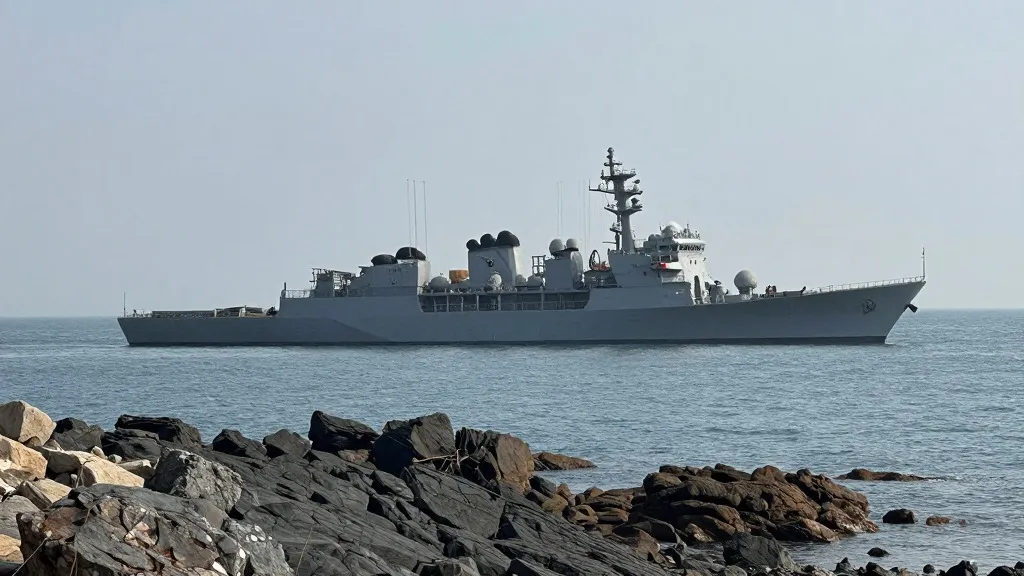
The gap between the U.S. and Cuba has narrowed to a specific, tangible measurement of fifty yards. That is the distance Secretary of State Marco Rubio described for a U.S. Navy warship stopping near the Cuban coast. This precise detail, offered by President Donald Trump at a campaign rally in South Florida this week, encapsulates the escalating tension between the two nations. The administration is no longer just applying economic pressure. It is now publicly inviting the Cuban people to act as its partners in a bid to displace the current government.
The invitation arrived with unusual directness. On Friday, Rubio posted on the social media platform X, addressing Cubans who desire positive change. He cited the frustration caused by broken promises, widespread corruption, and the comfortable lifestyles of a small elite. His message was clear: now is the time to seize the opportunity. He urged readers to create the change they want through a discrete partnership with the Central Intelligence Agency. The CIA quickly amplified the message by reposting it, including a Spanish translation and a video that explained how to make contact with the intelligence agency.
This diplomatic maneuver occurs against a backdrop of severe domestic hardship on the island. For years, Cuba has operated under a strict U.S. embargo and a suite of sanctions designed to pressure its communist leadership. The economic strain is visible in daily life. Prices for essential goods have skyrocketed, and access to medical care has become increasingly difficult. Reports describe citizens waiting for hours in long lines for bread and queuing for basic doctor appointments. The strain on the working class has created a fertile ground for the administration's new strategy.
The economic tightening accelerated last week. The U.S. government announced additional sanctions targeting Cuba's state-run bank. Washington justified the move by citing the institution's ties to Iran. These financial measures aim to squeeze the island's economy further, complementing the public call for internal cooperation with U.S. intelligence.
The timing of these moves is deliberate. Trump addressed the situation directly during a rally in South Florida, a region with a large Cuban diaspora. He linked the pressure on Cuba to the U.S. military presence in the Middle East. Specifically, he referenced Navy warships deployed near the Strait of Hormuz. He predicted that these ships would pass by Cuba on their way back from Iran. In his account, one vessel would stop about fifty yards off the coast. The crew would raise their hands, and Rubio would then be sent in to finalize the agreement.
Cuba's government has not accepted this narrative. Foreign Minister Bruno Rodríguez Parrilla responded on X on Friday, rejecting the U.S. rhetoric. He stated that the island refuses any threats that stem from American ambitions toward its territory. He used a metaphor to describe the physical barrier between the two nations. He noted that while the coastline is famous for its beautiful beaches, it is also rugged. He added that the terrain is inhospitable to those who arrive with hostile intentions and a desire for domination.
The next steps in this confrontation remain fluid but increasingly aggressive. The U.S. is combining financial sanctions with a public recruitment drive for domestic allies. The administration is signaling a willingness to use its naval power as a backdrop for diplomatic negotiations. For Cuban families dealing with high prices and long medical waits, the message is that a new era of change is being proposed, albeit one that involves a close and secret relationship with a foreign power.
The situation highlights a shift in strategy. Rather than relying solely on external pressure, the Trump administration is seeking to leverage internal dissatisfaction. By encouraging a partnership with the CIA, officials are attempting to bridge the gap between the U.S. government and the Cuban populace. The result is a complex dynamic where economic hardship meets military proximity, and where the distance between two nations is measured not just in miles, but in the yards of a warship's hold.
Source: CBS News