Midterm Shifts: Democrats Divide Over Gaza, Borders, and Trans Sports
Candidates are adopting divergent strategies on key policy issues, with some moderating stances while others push for systemic changes.
By Yasmin Kovalenko ·
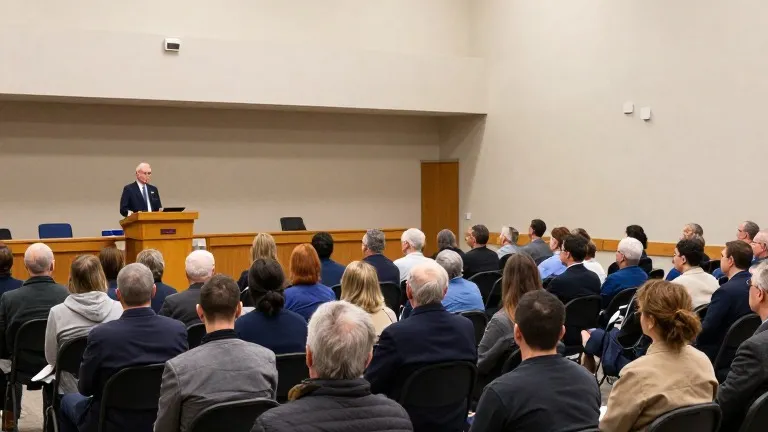
Democratic candidates running for Congress in 2026 are adopting sharply different positions on major policy issues. The party is attempting to regain control of both chambers of Congress from the Republican majority. This effort comes two years after Donald Trump won the presidency in 2024.
The most visible change is occurring in the party’s stance on Israel. More than 74,000 Palestinians have died in the war in Gaza, which started after the Hamas attacks on October 7, 2023. A Pew Research Center survey from earlier this year found that 60 percent of US adults hold an unfavorable view of Israel. That number rises to 80 percent among Democrats.
Senator Chris Coons of Delaware said he wants a thorough reexamination of the US-Israel relationship. He stated he would consider sanctions on Prime Minister Benjamin Netanyahu. Coons is expected to chair the Senate Foreign Relations Committee if Democrats win the Senate. This contrasts with the 2024 campaign, when Kamala Harris declined calls to include a Palestinian American speaker at the Democratic National Convention. In January, 40 Democratic senators supported a motion to disapprove military sales to Israel, while seven joined Republicans in blocking it.
Senate Minority Leader Chuck Schumer maintains that the US commitment to Israel’s security must be ironclad. He is expected to become majority leader if the party wins the Senate. The split shows how candidates are tailoring their messages to their specific districts.
Transgender rights are also causing divisions, particularly regarding student sports. In Ohio, Representative Marcy Kaptur ran an ad stating that boys should not play in girls' sports. In North Carolina, Representative Don Davis called for a safe and fair space for women and girls in sports. South Carolina Senate candidate Annie Andrews said she opposes biological men playing in women's sports. These shifts follow a 2024 Trump campaign ad that focused on Harris's support for transgender Americans.
Representative Alexandria Ocasio-Cortez challenged these moderating stances during a town hall in Portland, Maine, on Thursday. She told a transgender student who felt abandoned by the party that some members were wrong. Ocasio-Cortez said she was ashamed that people scare so easily after an election. She argued that compromising a trans person's rights compromises the rights of every citizen.
Immigration policy has further divided the group. Customs and Border Protection recorded more than 8 million border encounters between 2021 and 2025. Texas Senate candidate James Talarico describes himself as a border security Democrat. He backs stronger enforcement alongside comprehensive reform. Lucas Holtz of the Third Way group said these stances work because they are proactive. He argued that the Harris campaign did not stick to its early call for order at the border.
On the left, the fatal shootings of Renee Good and Alex Pretti by federal immigration agents in Minneapolis earlier this year have fueled calls to abolish or drastically overhaul ICE. These deaths have intensified the push for more radical changes among progressive voters.
Health care remains a point of agreement on the need for government involvement, but candidates disagree on the method. Michigan Senate candidate Abdul El-Sayed supports Medicare for All. Andrews, running in a more conservative state, wants lapsed Affordable Care Act subsidies restored and limits on insurer profits. KFF polling shows 66 percent of US adults now back Medicare for All, up 13 points from October 2020.
Holtz said all Democrats want to move toward universal coverage in the best way possible. The varying approaches reflect a party trying to balance internal factions while competing in a polarized political environment.
Source: Al Jazeera
More Politics · World news · Report a business · Got a Story?