NASA quietly pins down 22 Starship flights for Moon return
Internal estimates suggest the Artemis lunar campaign may require more tanker missions than previously hoped, raising questions about the decade timeline.
By Jisoo Vega ·
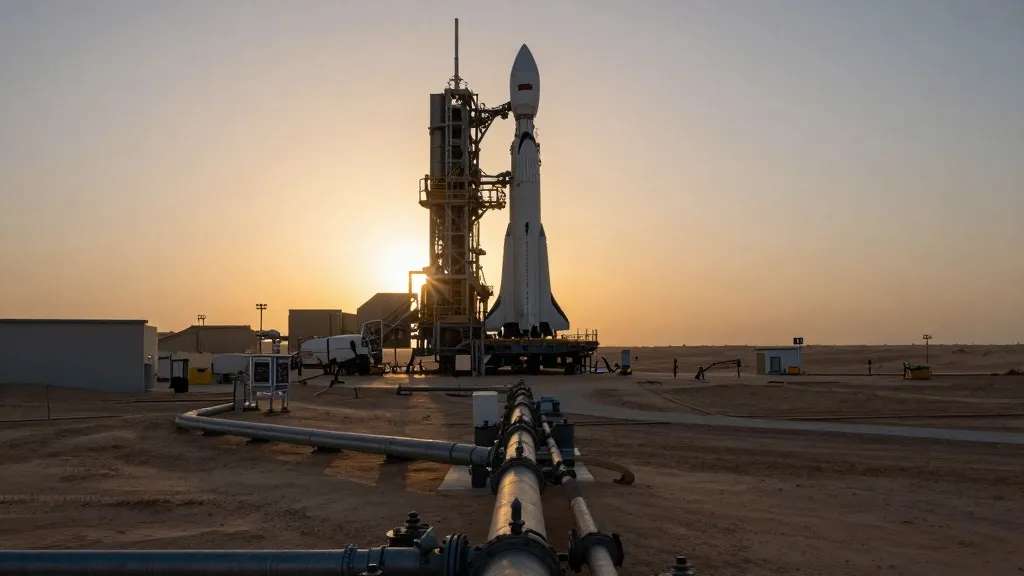
NASA has stopped hiding its internal math for the Artemis Moon program, revealing a target of 22 Starship launches to fuel a lunar lander. The agency has historically guarded this specific metric with unusual tightness, treating the figure as if it were sensitive code rather than a simple logistics count. This latest estimate marks a significant shift in transparency for the program's most critical dependency on SpaceX.
The path to this number has been long and marked by uncertainty. For years, NASA officials have described the required launch count as a moving target. In 2023, Lisa Watson-Morgan, then the director of NASA’s Human Landing System, told reporters that the agency had a general idea but was reluctant to specify exact numbers. She later suggested the figure was in the high single digits to low double digits, implying roughly a dozen flights. Other officials have previously cited estimates in the high teens. These earlier figures assumed that SpaceX would significantly increase Starship’s lift capacity, thereby reducing the number of tanker missions needed to fill the depot in low-Earth orbit.
The new estimate of 22 launches implies a specific operational structure. SpaceX would need to launch one Starship to serve as the propellant depot. Then, 21 additional Starships would act as tankers, each delivering liquid oxygen and methane to the waiting vehicle. Once fully loaded, the depot would fly to the Moon, land, and return to lunar orbit. This is a substantial volume of traffic for a single mission profile, far exceeding the lower estimates circulated in previous years.
Concerns are growing within NASA that the necessary improvements to Starship’s performance may not arrive soon enough. Some officials worry that the vehicle will not achieve the dramatic lift capacity increases required to lower the tanker count. If the number of required launches remains high, it could jeopardize the goal of returning humans to the Moon within this decade. The reliance on a single heavy-lift provider creates a narrow window for success in the Artemis timeline.
The estimate surfaced during the quarterly meeting of the NASA Aerospace Safety Advisory Panel on Thursday. Panel member Charlie Precourt, a former NASA astronaut, discussed the risks associated with landing humans on the Moon. He highlighted the logistical complexities and the dependency on the Starship system. The panel’s focus on safety risks underscores the high stakes involved in relying on a new, unproven vehicle for crewed lunar missions.
The shift from vague estimates to a specific number of 22 launches provides a clearer picture of the workload ahead. It signals that NASA is planning around a higher volume of flights rather than betting on rapid technological breakthroughs. This conservative approach may be prudent, but it also raises the bar for SpaceX’s launch cadence and reliability in the coming years.
What happens next will depend on whether SpaceX can deliver the required number of successful flights in time. The agency is now operating with a fixed target, which changes the risk profile of the entire Artemis program. Stakeholders in the aerospace sector should watch for further updates on Starship’s performance metrics, as they will directly influence the feasibility of the current schedule.
Source: Ars Technica · original report published
More Business · Bad Business · Report a business · Got a Story?