NC Fair Vendors Face Fee Shock
New percentage-based costs and required payment systems are forcing long-time vendors to reconsider their participation in the 2026 state fair.
By Yasmin Kovalenko ·
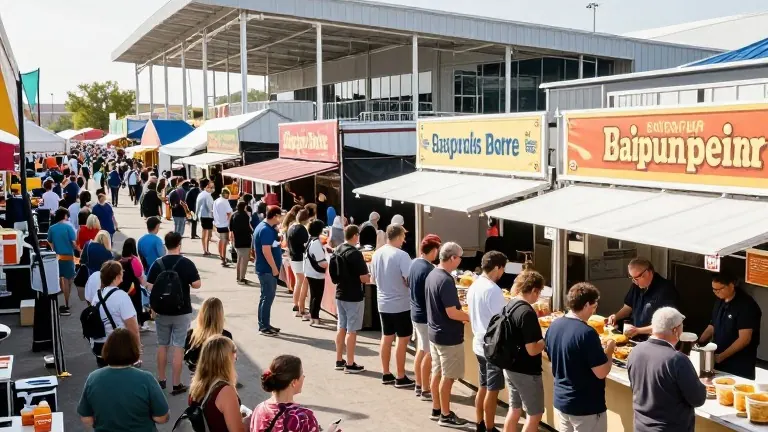
The North Carolina State Fair concluded its 11-day run this month with 910,584 visitors, a decline from the 946,811 attendees recorded in 2025. The North Carolina Department of Agriculture and Consumer Services released those figures as the fairgrounds cleared of crowds and equipment.
While the drop in attendance was modest, the financial structure for vendors changed dramatically. For the first time in the event's history, food and beverage sellers paid 15% of their gross sales, excluding sales tax, rather than the previous flat fee of $180 per foot of stand frontage. Organizers also mandated the use of the Clover point-of-sale system to record all transactions.
Preston Ray, owner of Ray's Coffee in Wendell, has operated at the fair for 45 years. He estimated that the new fee structure doubled or possibly tripled his previous costs. Ray said he is now uncertain about returning next year. His experience reflects concerns raised by other long-time operators who questioned whether the event remains profitable under the new terms.
Fair Director Kent Yelverton defended the shift as a move to align the fair with industry standards. He noted that several states, including South Carolina, Ohio, and Tennessee, also charge food vendors 15% of sales. This standardized approach aims to create a consistent financial framework across major state events.
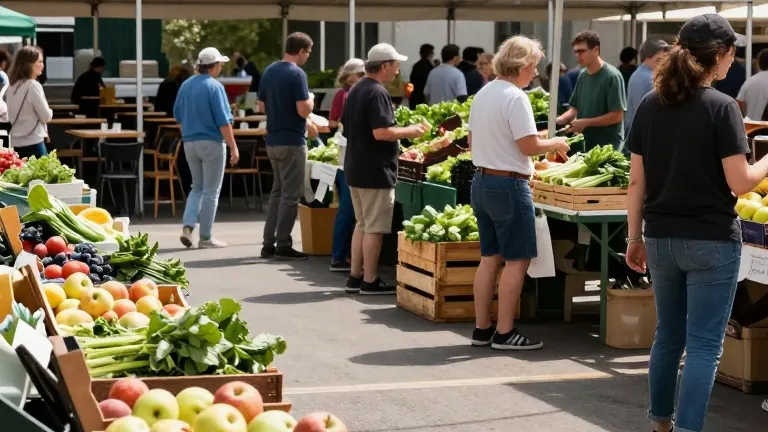
The fair continued to draw large crowds for food and entertainment despite the rising costs. Peachey's Baking Co. drew lines that wrapped around its stand two or three times. The event introduced more than 80 new food items, including deep-fried Hawaiian sweet rolls, strawberry cheesecake churro nachos, and liquid cotton candy, according to WRAL.
A new 32,000-square-foot food hall near Dorton Arena housed five vendors during the event. Agriculture remained a central theme, with livestock competitions and educational displays. The Junior Livestock Sale of Champions set a record, and a mock tobacco auction recreated historical practices in Heritage Circle.
Fair officials have not released total revenue generated through the new fee structure. Organizers plan to review vendor feedback and discuss possible improvements ahead of the 2027 fair. The financial results will likely influence which businesses decide to return next October.
Source: The Carolinian
More Business · Bad Business · Report a business · Got a Story?