Shipping attacks and Cop31 push Turkey to expand battery and carbon plans
With 120 incidents recorded in the Strait of Hormuz this month, Ankara is accelerating renewable storage and emissions trading ahead of its November climate summit.
By Yasmin Kovalenko ·
Working families in Turkey face a tightening link between global shipping conflicts and their energy bills. As attacks on commercial vessels in the Strait of Hormuz reach record levels, the government is moving to solidify its renewable energy infrastructure before hosting the United Nations climate summit in November. The disruption threatens the stability of oil and gas routes, which directly impacts energy costs for households and businesses across the country.
The Washington Institute for Near East Policy counted 113 confirmed attacks since the US-Israeli war with Iran began on 28 February. October emerged as the worst month on record for these incidents in the strait and surrounding waters. The International Maritime Organisation reports that 120 incidents have occurred in the region, affecting approximately 20,000 seafarers, port workers, and offshore staff. These disruptions create immediate pressure on energy-importing economies to diversify their supply sources.
Ankara plans to host Cop31 in Antalya from 9 to 20 November. In preparation, the country is introducing a national carbon trading system and expanding renewable energy mechanisms. These steps aim to help local industries adjust to new global standards while reducing reliance on imported fossil fuels. The summit will gather governments, businesses, and civil society groups to review current climate commitments and new actions.
Taha Meli Arvas, chief executive of Energy Exchange Istanbul, identified battery storage as the next critical step for the grid. He stated, "For Turkey in general, it’s increasing battery storage capacity and using that to help renewable energy become baseload." Epias, the state energy market operator, reported that renewable sources accounted for about 62 percent of the country's 127.3 gigawatts of installed electricity capacity as of 10 October. The operator also runs YEK-G, a system that issues certificates allowing businesses to document the renewable electricity they purchase.
The new emissions trading system will begin as a monitoring pilot in 2026 and 2027. During this phase, covered companies must report their greenhouse gas emissions but are not yet required to surrender allowances. The price mechanism will activate in 2027, allowing firms to trade emission rights. Mustafa Aydin, Epias's deputy general director for environmental and minerals markets, noted that participating industries can use revenues from this system to fund their own energy transitions.
These domestic rules are designed to prepare Turkish exporters for the European Union's Carbon Border Adjustment Mechanism. Manufacturers that export to Europe must provide reliable data on the carbon embedded in their products. Companies that cannot demonstrate this data may face higher compliance costs. Epias is currently assisting domestic firms in understanding these requirements and adjusting their reporting practices to meet the new standards.
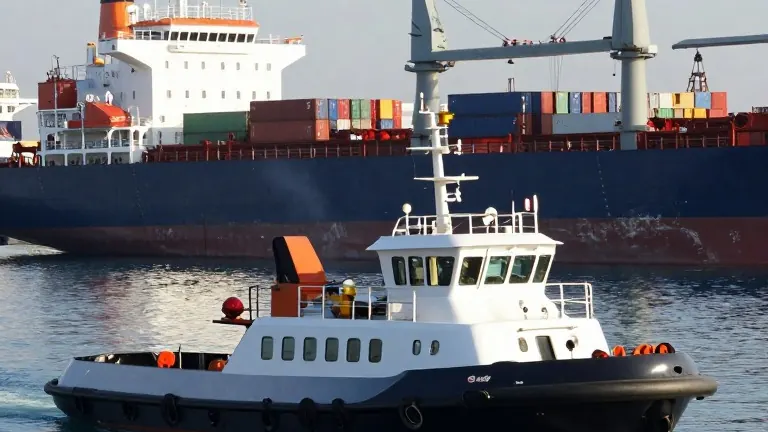
Turkey is also applying these principles to maritime transport in its ports. In Tuzla, the company Navtek naval technologies has built four battery-powered harbour tugboats. These vessels replace conventional diesel propulsion for manoeuvring and towing ships. The electric tugs reduce direct exhaust emissions and noise levels during port operations, offering a cleaner alternative for daily maritime logistics.
The Zero Waste Foundation, established in 2023, is connecting climate action with urban development and food systems. President Samed Agirbas is working to link cities, businesses, and investors with the Cop31 process. The foundation has proposed an Istanbul platform to finance zero-waste projects and track progress on commitments. This approach aims to shift waste management from simple disposal toward preventing waste and improving material efficiency throughout production and consumption.
Coastal protection efforts are part of the climate agenda as well. In the Fethiye-Gocek protected area, a buoy and mooring initiative provides designated docking spots for boats. This reduces the need for anchors that damage sensitive seabed habitats. The Deria digital system maps these buoys to protect seagrass meadows, which store carbon in their biomass and sediments. The area shelters sea turtles, dolphins, and Mediterranean monk seals.
The foundation is also preparing a protection plan for the Dalyan-Koycegiz area. This zone connects Lake Koycegiz to the Mediterranean through the Dalyan canals and includes wetlands, forests, and Iztuzu beach. Iztuzu is a key nesting site for loggerhead turtles. These coastal projects form a specific part of the preparations Turkey will present to the international audience at the upcoming climate summit.
Source: Middle East Eye