Satellite speeds hit 400 km/h after restrictions lift
Ukraine’s military communications systems have returned to full operational capacity, with officials confirming stable data transfer rates exceeding 400 km/h following a period of significant bandwidth limits.
By Jisoo Vega ·
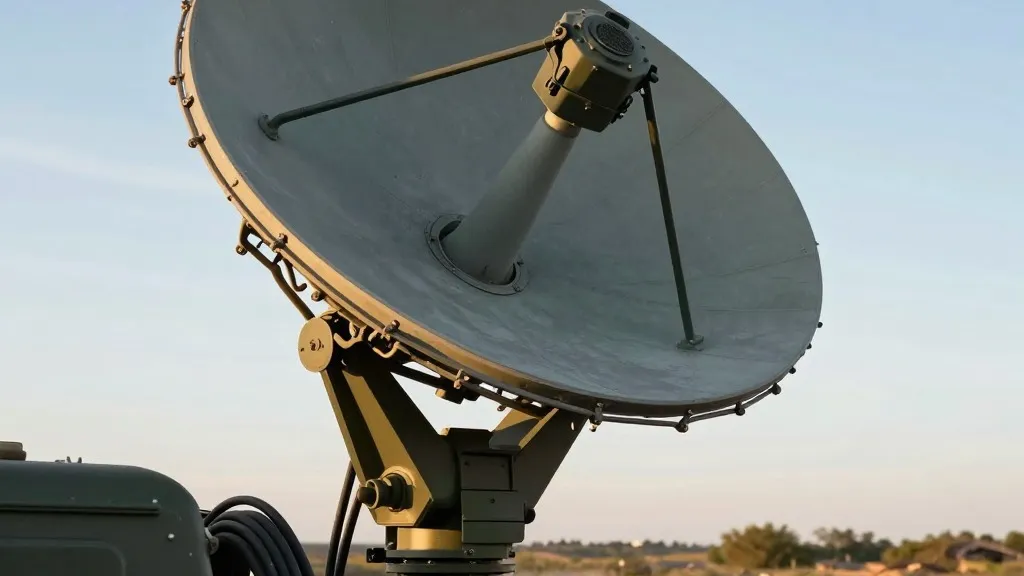
Ukrainian President Volodymyr Zelenskyy confirmed on the morning of October 24 that satellite communication speeds have been fully restored to pre-restriction levels. The announcement marks the end of a disruptive period that impacted military logistics and drone operations. Zelenskyy stated in a video address that the Starlink and Starshield systems are now operating at the speeds they were capable of before the limitations were imposed. He emphasized that the country now has the necessary speed to function effectively.
The Ministry of Defence provided specific metrics to back up the presidential claim. Officials reported that both systems were registering speeds above 400 km/h. The ministry further noted that the connection was stable, a critical factor for maintaining reliable communications on the battlefield. Prior to this official confirmation, defence forces and experts had already recorded speeds above 161 km/h. This initial recovery signal indicated that the infrastructure was returning to normal operations overnight.
Zelenskyy thanked those who assisted in restoring the communications capabilities. He described the development as very important for the war effort. Specifically, he highlighted the impact on frontline logistics. The restored speeds also enhance Ukraine’s ability to protect itself from jet-powered Shahed drones. These drones rely on precise data links for guidance, making high-speed satellite connections a vital defensive asset. The improvement in bandwidth directly supports the operational tempo of military units.
The current situation follows a few days of significant disruption. Earlier this week, Zelenskyy reported that Starlink and Starshield equipment had slowed to speeds between 130 and 161 km/h in several sectors along the line of contact. This reduction in bandwidth interfered with supply chains and limited the use of unmanned aerial systems. The slowdown created operational friction that military leaders sought to resolve quickly to maintain pressure on the enemy. The restoration of full speeds aims to eliminate these bottlenecks.
The bandwidth restrictions also generated political attention at the highest levels of US leadership. On October 16, US President Donald Trump claimed that the White House had not been involved in limiting Ukraine’s use of the satellite system. This statement came amid discussions about the strategic importance of the network. The political context added a layer of complexity to the technical issue of satellite capacity. Leaders in both countries were monitoring the situation closely to understand the cause and duration of the slowdown.
Reports from The Telegraph indicated that SpaceX CEO Elon Musk had approached Trump with the idea of restricting the bandwidth. This proposal for the Starlink and Starshield networks used by the Ukrainian military sparked debate. The interplay between corporate decisions and military needs highlighted the strategic value of commercial satellite infrastructure. As speeds return to normal, the focus shifts back to operational efficiency and the broader implications for future military technology reliance.
The full restoration of speeds by October 24 provides a clear benchmark for future performance. The move from 161 km/h to over 400 km/h represents a substantial increase in data throughput. This capacity is essential for real-time video feeds, command and control, and autonomous drone operations. The market and military alike will watch closely to see if this stability is maintained in the coming weeks. The incident underscores the critical role of satellite communications in modern conflict.
Source: Ukrainska Pravda
More Business · World news · Bad Business · Report a business · Got a Story?