Tesla cancels Australian and New Zealand Cybertruck sales
The company will refund $2,000 deposits within 30 days and offer free Full Self-Driving software to new Model 3 and Model Y buyers.
By Yasmin Kovalenko ·
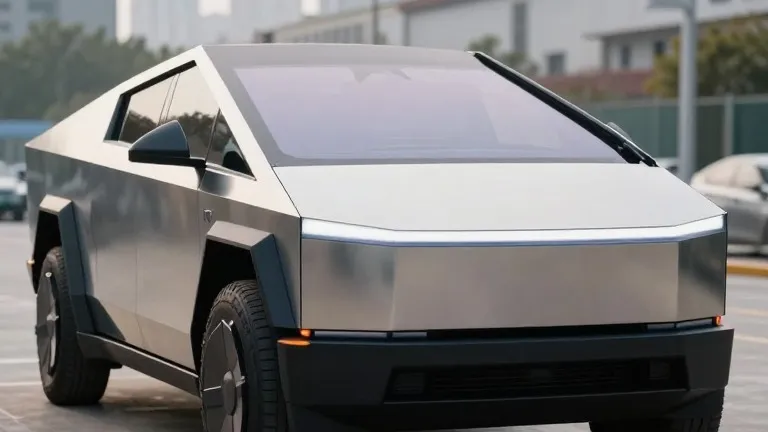
Tesla will no longer sell the Cybertruck in Australia or New Zealand. Customers who reserved the vehicle seven years ago will receive refunds for their deposits.
In an email sent to reservation holders, Tesla stated that its plans to produce the Cybertruck for those two markets have been discontinued. The company said it will refund every deposit within 30 days of the customer receiving a confirmation email with their details.
As a concession to affected buyers, Tesla is offering a free year of Full Self-Driving (Supervised) access. This benefit applies to anyone who orders a new Model 3 or Model Y.
The decision resolves a long-standing uncertainty regarding the truck's availability in right-hand drive markets. According to Drive Australia, sources indicated in 2023 that Tesla's Texas factory was not configured to build the vehicle with right-hand drive controls. That limitation prevents the Cybertruck from being legally driven on public roads in Australia, New Zealand, the United Kingdom, Japan, and Ireland.
The right-hand drive constraint also affects regulatory approvals in Europe. Tesla has not officially launched the Cybertruck in the European Union, and the vehicle has not received regulatory approval from European authorities. Industry observers believe approval is unlikely due to rules covering crumple zones, pedestrian safety, lighting, and weight classifications. The truck's sharp edges are considered a specific hazard to pedestrians.
The US Army Customs Agency confirmed that several Cybertruck specifications violate EU safety standards. A notification from the agency cited the sharp-edged, stiff stainless-steel body as a primary reason for the non-compliance, specifically regarding the protection of vulnerable road users.
Cybertrucks spotted in Europe arrived through individual single-vehicle approvals. Owners modified their vehicles to satisfy local regulators, allowing them to drive the trucks despite the lack of a broad market launch.
Source: Engadget
More Business · Tech news · Bad Business · Report a business · Got a Story?