UW-Madison Students Reject Fast Fashion With Thrifted Halloween Costumes
As national retail spending hits $13.5 billion, campus students are turning to secondhand markets and strict budgets to avoid fast fashion.
By Lucas Murphy ·
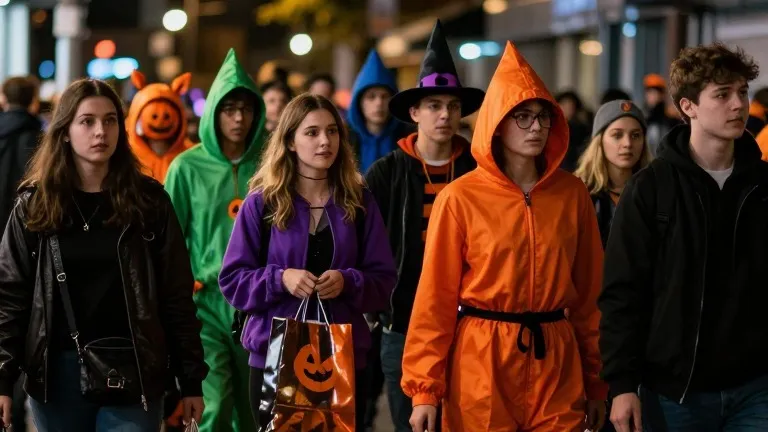
University of Wisconsin-Madison students are capping their Halloween costume expenses at $100 to balance social expectations with financial and environmental constraints.
The National Retail Federation projects Americans will spend $13.5 billion on Halloween goods this year, with an average outlay of $115.14 per person. This national figure exceeds the self-imposed limit of many Madison students. Campus culture often pressures individuals to purchase multiple elaborate outfits for a single weekend, creating a conflict between peer influence and budget limits.
The shift toward lower spending reflects a wider hesitation to rely on fast fashion retailers. Students cite the environmental impact of the industry, noting that fashion production contributes 10% of global carbon emissions and that 85% of textiles are discarded annually. Buying a single-use costume from major online sellers aligns closely with this wasteful model, prompting many to seek alternatives.
Recent interviews with students reveal a clear trend toward thrift and secondhand shopping. Hadley Wendorff, a senior, observed that friends often set the standard for costume quality, leading to higher individual costs. Lily Myhra, a junior, reported spending between $50 and $100 by searching the resale platform Depop. Matteo Rovera, another junior, noted that annual fashion trends drive him to buy three costumes this year, despite his preference for wearing only one.
Students recommend several strategies to stay within budget while reducing waste. These include purchasing from thrift stores, using resale apps like Depop and Vinted, or checking Facebook Marketplace. Borrowing or swapping items with friends and digging through personal or family closets are also common practices. Some students prioritize buying versatile pieces that can be worn outside of Halloween, ensuring the clothing has a second life.
The Halloween season in Madison remains a major event, with crowds filling State Street for the entire weekend. Costumes range from classic zombies and vampires to specific characters from the television series Off-Campus and Odyssey. Internet meme costumes, such as Punch the monkey, also circulate widely. The local nightlife scene amplifies the desire for distinct outfits, yet the financial and ecological pushback is gaining ground.
Retailers like Amazon, Spirit Halloween, and Shein continue to dominate the market with low prices and fast shipping. However, the growing preference for secondhand options suggests a behavioral change among students. The advice circulating on campus is consistent: keep the outfit simple, reusable, and affordable. Whether dressing as a character from Obsession or Gargamel from The Smurfs, the goal is to minimize both the environmental footprint and the monetary cost.
Source: The Daily Cardinal
More Business · Madison news · Bad Business · Report a business · Got a Story?