Gas prices hold above $4 a gallon for four months
The sustained high cost of fuel is complicating Republican midterm prospects as the conflict with Iran enters its eighth month.
By Yasmin Kovalenko ·
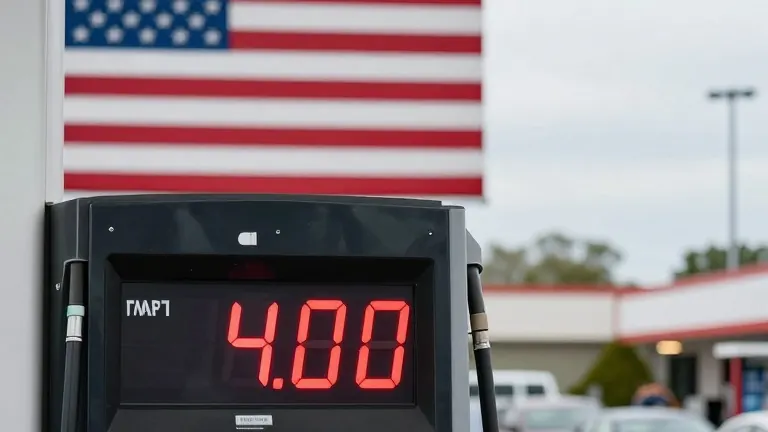
The national average price for a gallon of gasoline has remained above four dollars since mid-June. This sustained spike in energy costs has become a central issue for voters heading into the November 3 elections. The conflict with Iran, now in its eighth month, continues to drive these prices higher despite earlier predictions of a short campaign.
President Donald Trump initially described the war as a brief operation that would last only a few weeks. He has often referred to the conflict as a "little detour." However, the timeline has stretched far beyond that initial estimate. The war has expanded in scope, with Iran-backed Houthi rebels attacking Saudi oil infrastructure and airports. A Saudi-led coalition has responded with strikes on Houthi-held territory in Yemen.
In June, Trump and White House officials appeared confident after forging an interim ceasefire agreement with Tehran. That deal collapsed within weeks. Oil prices peaked in May, dipped in June, and surged again in September. Trump threatened to escalate the conflict before suggesting a deal was near. This volatility has kept fuel costs elevated for months.
Republican strategists have raised internal alarms about the war's impact on their candidates. Five strategists told The Associated Press in early summer that they saw warning signs the conflict could hurt their party if it did not end quickly. Internal polls indicated that voters were linking the war to higher grocery prices and travel costs. House districts that Trump won easily in 2024 began appearing competitive in internal data.
The State Department announced over the weekend that it is reducing staffing at four U.S. embassies in the Middle East. Officials cited intelligence that Iran has increased efforts to target American personnel. Diesel prices remain near all-time highs, creating challenges for Republican candidates in competitive races in Iowa, Kansas, Ohio, and Texas.
Trump has downplayed the economic impact during campaign rallies. At a recent event in Michigan, he stated that he had no regrets about starting the war. He argued that the economic cost was less severe than expected. "I thought gas would be double or triple," he said. "And it’s a small price to pay for taking a nuclear weapon away from maniacs."
Christopher Borick, director of the Lehigh University Opinion Observatory, noted that Trump's messaging is resonating with a shrinking portion of the electorate. Voters disappointed with the conflict's direction find little in the president's claims to change their negative outlook. An AP-NORC poll published last week found that voters from both parties want the next Congress to focus on affordability and end the war.
Voters across the political spectrum are weighing the costs. Noor Dubow, a 44-year-old dispatcher in Columbus, Ohio, said he is tipping toward Democrats due to frustration with the war. Clay Coey, a 59-year-old auctioneer in DeWitt, Michigan, said he cringes at the price of gas for his 2010 Chrysler Sebring but remains willing to pay the cost temporarily. Sean O'Brien, a 21-year-old student at Auburn University in Alabama, said the decision to start the war left him "very disillusioned" and that he expects to vote Democratic.
Source: ABC News