Trump's $5,000 Dividend: A Vote-Buying Gamble Facing Bipartisan Doubt
Speaker Johnson confirms congressional approval is needed for the payout, while PolitiFact rates the largest check as far from certain.
By Yasmin Kovalenko ·

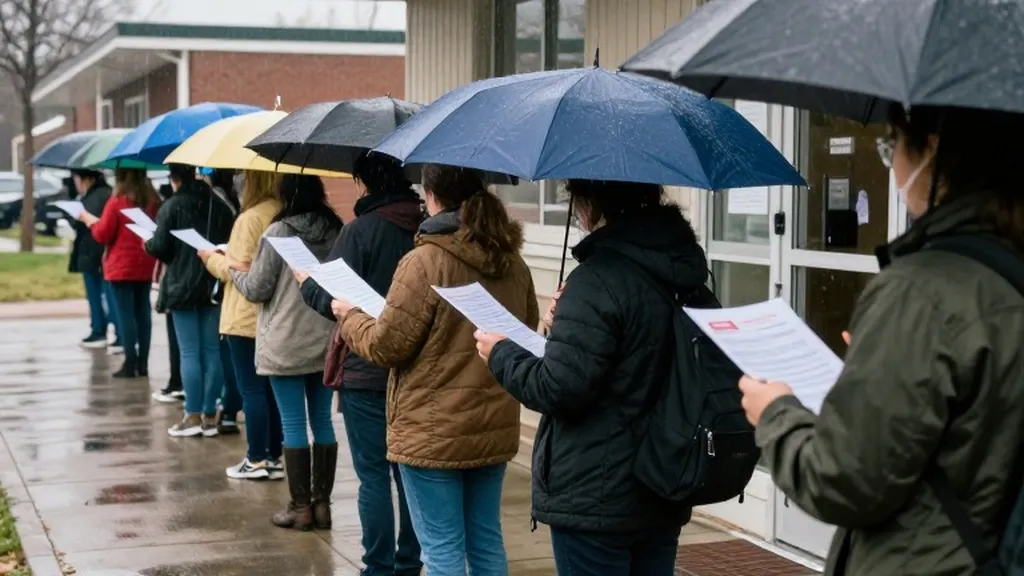
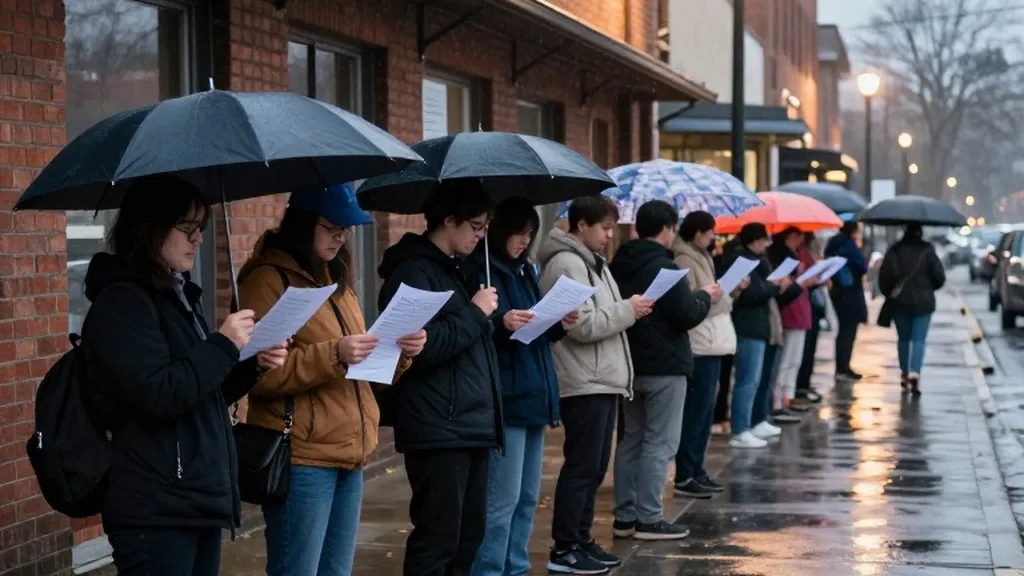
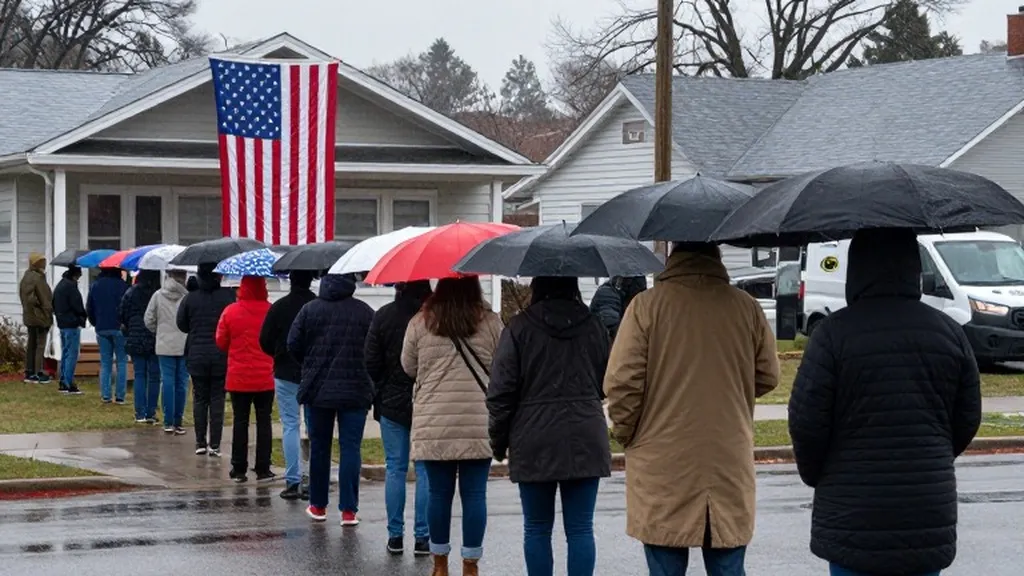
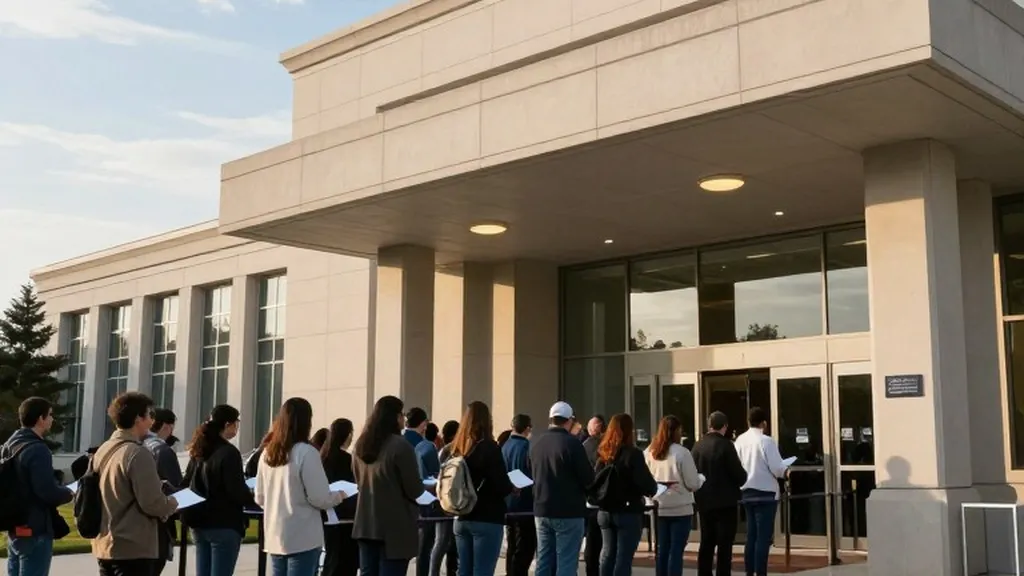
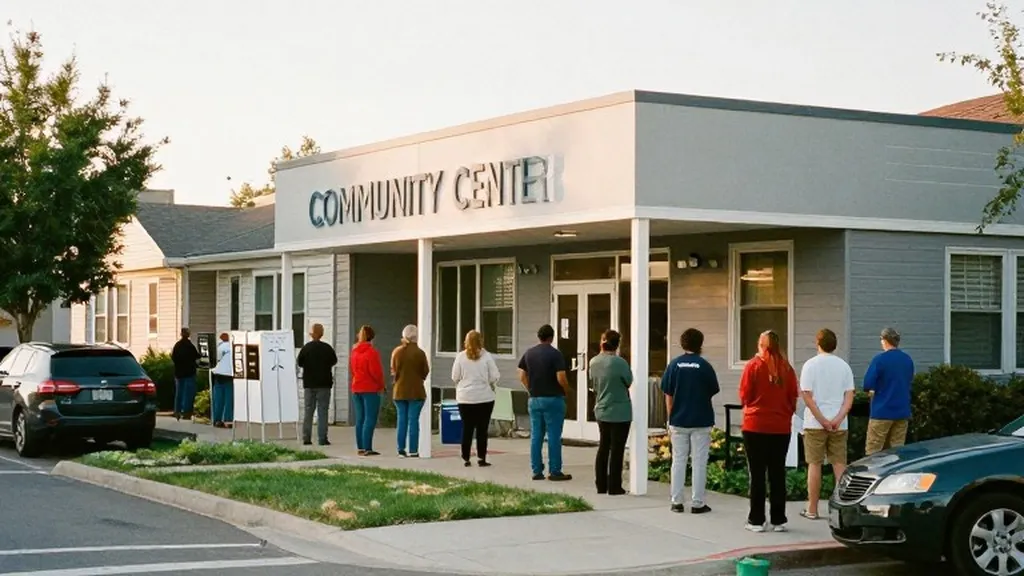
Election Day has arrived for Americans deciding the balance of power in Congress during the final two years of President Donald Trump's second term. With polls open across the nation, voters are weighing the president's record on the economy and an unpopular war with Iran against the potential for a shift in legislative control. A central element of the presidential campaign has been a specific financial promise made to voters last week in Dallas. Trump pledged a $5,000 payment to every adult U.S. citizen, a move he labeled the Trump Dividend, contingent on Republicans retaining control of both the House and Senate. The announcement has intensified scrutiny over the administration's strategy to win the midterms and the fiscal implications of such a large-scale distribution of funds.
During a nearly two-hour speech at the Republican Midterm Convention, Trump told the crowd that if his party won, they would win with him and receive $5,000. He described the proposal as a response to the country's tremendous economic success, comparing the dividend to successful companies distributing cash to shareholders. The president later told CBS News Texas that he did not believe Congress would need to authorize the payments, though he did not specify how he could spend more than $1 trillion without lawmakers' authorization. This assertion has created a distinct tension between the executive branch's expectations and the standard legislative process required for major federal spending.
House Speaker Mike Johnson, a Republican from Louisiana, addressed the mechanics of the proposal on Sunday. Johnson stated that congressional approval is needed for the payments, calling it a creative idea. He said he would assume the president needs Congress to act and committed that the chamber would work through the issue to find consensus. Johnson noted that the House would try to implement the idea despite facing one of the smallest Republican majorities in history. His comments stand in contrast to Trump's earlier suggestion that the payment might not require formal authorization, highlighting a procedural hurdle that could complicate the delivery of the promised funds.
The cost of the Trump Dividend is estimated at more than $1 trillion, a figure that has drawn bipartisan criticism. PolitiFact found that the biggest payment is far from certain, noting that the administration has announced no formal plan for how Americans would receive the money. The fact-checkers pointed out that while Trump cited tariff revenues as a potential funding source, lawmakers did not include a separate tariff dividend in the One Big Beautiful Bill Act tax and spending bill that became law in 2025. The analysis suggests that the payout would first require Congress' approval and would add to a national budget deficit that is already nearly $1.8 trillion annually.
Economic experts have raised concerns about the timing of the payment. The U.S. Census Bureau estimates there are about 245 million U.S. citizen adults, meaning the total cost could reach approximately $1.2 trillion. Erica York, a senior economist at the Tax Foundation, wrote that the cost of the checks would spend almost all the revenue that new tariffs are projected to bring in over a decade. This calculation follows the Supreme Court's decision earlier this year to strike down most of Trump's tariffs, after which the president imposed a global 10% tariff. The reliance on projected tariff revenue to fund such a large payout has left many fiscal analysts questioning the long-term sustainability of the plan.
Democratic leaders and figures have framed the dividend as an attempt to buy votes, a sentiment echoed by some voters who are concerned about the cost of living. In a recent AP-NORC poll, only 25% of U.S. adults approved of Trump's handling of the economy, while about seven in ten said the country is heading in the wrong direction. Most respondents blamed the president for high prices, a concern that has been exacerbated by rising gasoline prices due to the conflict with Iran. The dividend promise appears designed to buffer this economic dissatisfaction, but critics argue it may worsen inflationary pressures in an economy that is already confronting persistent price increases and rising interest rates.
Speaker Johnson has positioned the promise as a demonstration of the Republican Party's ability to deliver results. In a USA Today op-ed published on October 30, he highlighted the House Republican record, including the largest middle-class tax cut in history and a reduction in wasteful government spending. He argued that voters are looking at record over rhetoric and that the contrast between the two parties is clear. However, the need for a 60-vote supermajority in the Senate to overcome a potential filibuster has led political analysts to say that such legislation is unlikely to attain the necessary support. This procedural reality adds another layer of complexity to a promise that was made with broad enthusiasm but lacks a detailed legislative roadmap.
The legal status of the promise has also been examined by election law experts. Rick Hasen, a professor at UCLA, wrote that Trump would have a strong First Amendment defense if a state tried to prosecute him for the promise. He compared it to other campaign pledges, such as lowering taxes or funding social programs, which are considered constitutionally protected campaign rhetoric. Richard Painter, a government ethics expert at the University of Minnesota, agreed, noting that candidates are allowed to make such promises. Despite the legal defensibility of the pledge, the practical difficulty of executing it remains a point of contention for voters deciding their ballots today.