House Control Hinges on 46 Toss-Up Districts in 2026 Midterms
With a 218-214 seat split, Democrats need a net gain of three seats to reclaim the majority, a margin that hinges on the newly drawn maps in seven states.
By Jisoo Vega ·
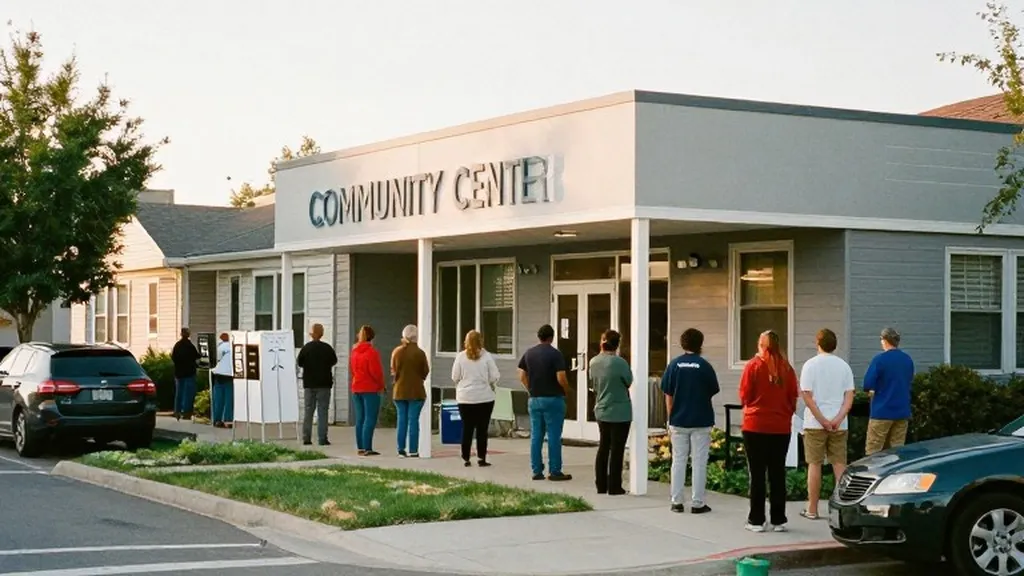
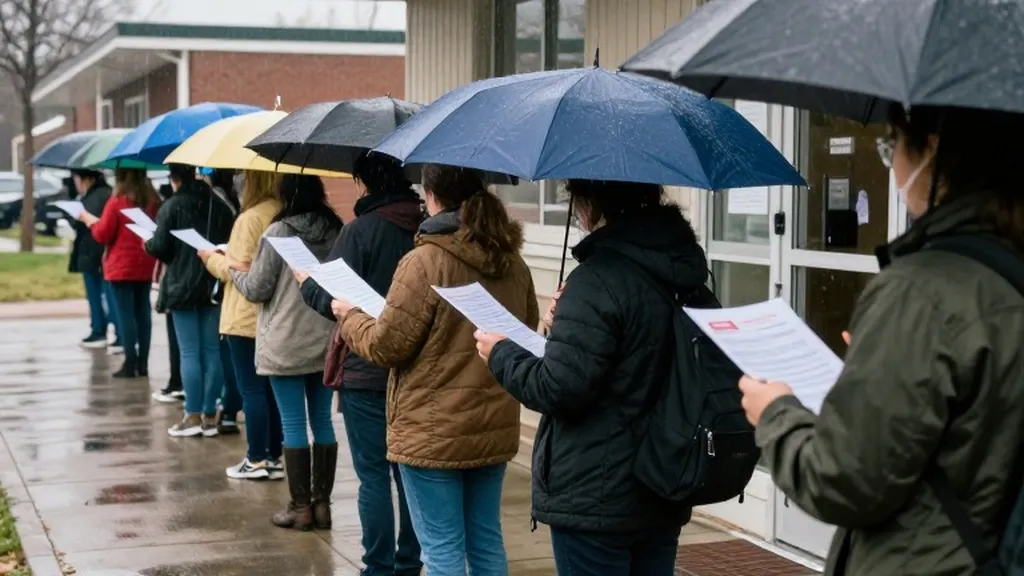
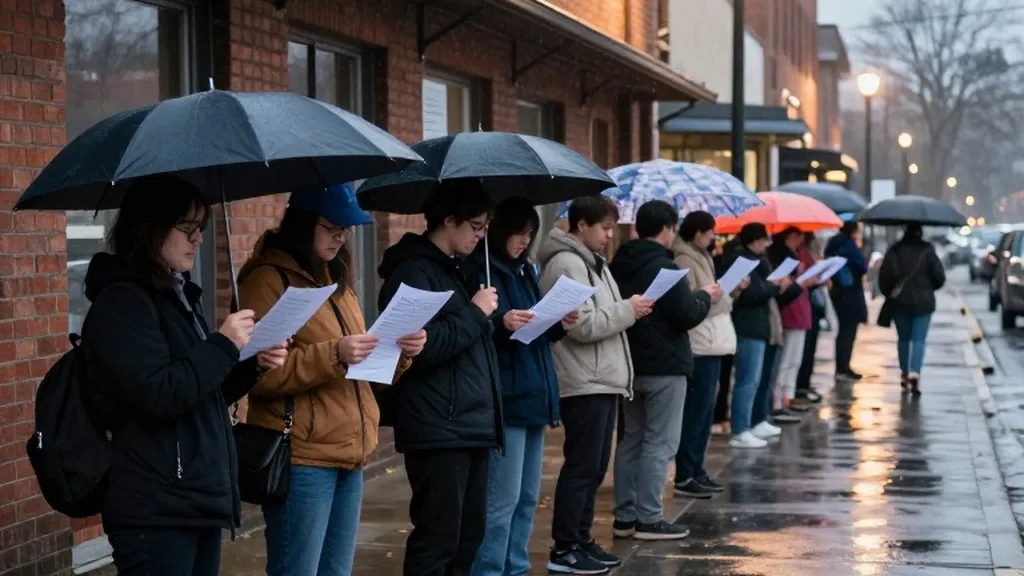
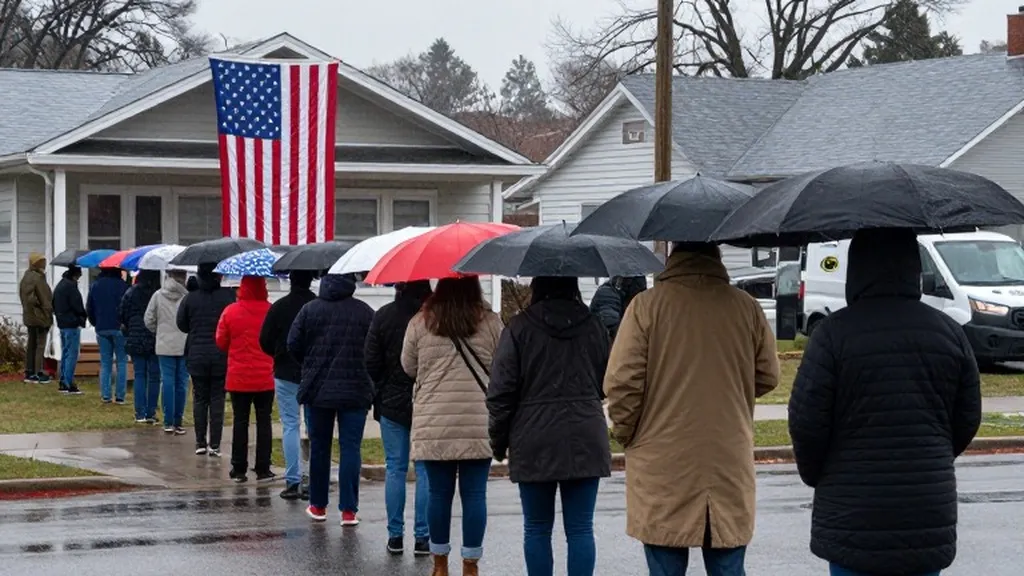
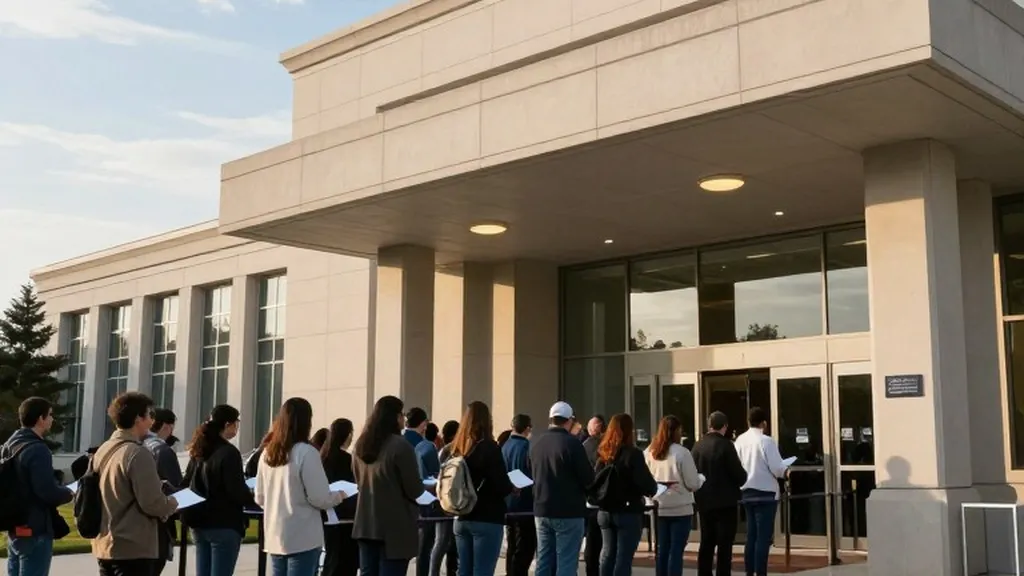
Voters across the nation are casting ballots on Tuesday, November 3, 2026, to determine the control of the U.S. House of Representatives in a midterm election that defines the final two years of President Donald Trump's second term. All 435 House seats are up for grabs, creating a high-stakes contest for the balance of power in the lower chamber. The current configuration sees Republicans holding 218 seats and Democrats holding 214, with one independent and some vacancies remaining. Because of this narrow margin, Democrats require a net gain of three districts to secure a majority, while Republicans can afford to lose no more than two seats to maintain their current hold on the chamber.
The Associated Press describes this election as a referendum on the administration, with voters grappling with high prices and expressing anger over an unpopular war with Iran. According to AP-NORC polling, 35 percent of U.S. adults approve of Trump's job performance, while only 25 percent approve of his handling of the economy. About seven in ten respondents believe the country is heading in the wrong direction, with most blaming the president for rising costs. These economic anxieties are central to the Democratic message, with DCCC Chair Rep. Suzan DelBene stating that the American people are angry and want change. The cost of living and health care remain top priorities for Democratic voters, who are looking to use the House as a venue for oversight and investigations.
Ballotpedia identifies 46 battleground districts that could decide the outcome of the House race. These districts include 25 currently held by Democrats and 21 held by Republicans. The competitive nature of these seats is influenced by the fact that 21 Democratic-held districts voted for Trump in 2024, while nine Republican-held districts voted for Kamala Harris. This shift in voting patterns suggests that traditional party loyalty is eroding in key areas, making the 218 to 214 split a volatile baseline. The three-seat margin required for a Democratic flip means that the outcome will likely be determined by performance in a small number of these closely contested areas rather than a broad national wave.
A significant factor in this year's House race is the redistricting that took place in several states. Six states are using new congressional maps following mid-decade redistricting: California, Florida, Missouri, North Carolina, Tennessee, and Texas. Ohio is also using a new map. These changes alter the demographics and geographic boundaries of many districts, potentially opening up seats that were previously safe for one party. Republicans attempted to leverage these new maps to beat the traditional midterm pattern where a president's party loses seats. However, early indicators suggest that the new districts in states like Florida may not vote as originally drawn, adding an element of uncertainty to the Republican strategy of holding their majority.
The financial aspect of the campaign highlights the obstacles facing both parties. The 2026 elections are likely to be the most expensive in history, with Republican committees outraising and outspending their Democratic counterparts at the committee level. This advantage is driven by support from Trump-affiliated groups and Elon Musk. An AP analysis of AdImpact data shows that 88.1 percent of Republican general election TV ad spending went to states and districts that Trump won in 2024. Despite this committee-level spending edge, Democrats outraised their opponents at the candidate level, allowing them to target specific battleground districts with more precision. The disparity in resources underscores the difficulty Democrats face in overcoming the structural advantages held by the incumbent party.
Sixty House incumbents are not running again this cycle, with 23 Democrats and 37 Republicans stepping aside. This turnover opens up competitive races in districts that may have been safer in previous cycles. The departure of long-serving members creates opportunities for challengers to capitalize on voter dissatisfaction with the status quo. In the context of the broader political mood, these open seats are particularly vulnerable to shifts in public opinion regarding economic management and foreign policy. The loss of incumbency advantage in these districts adds to the pool of competitive races that will define the final seat count in the House.
The race for the House is also influenced by the broader context of the Senate and governor's races, which are being decided on the same day. While the Senate race involves 35 seats and the governor's races cover 36 states, the House race remains the primary focus for determining the balance of power in Congress. The outcome of the House will determine the leadership structure, with House Democratic Leader Hakeem Jeffries positioned to become the first Black speaker if Democrats gain control. He has outlined a 100-day agenda focused on the cost of living and oversight of the administration. This potential leadership change signals a shift in priorities that would emphasize investigations and checks on executive power.
As polls close across the country, the attention turns to the 46 battleground districts that will determine the final margin. The interplay between the new maps in seven states, the economic concerns of voters, and the financial resources of the parties creates a complex landscape for this election. The three-seat margin required for a Democratic majority is narrow enough that a few districts could tip the balance. With Republicans bracing to lose the House and Democrats cautiously optimistic, the outcome remains uncertain until the last ballot is counted. The process of counting votes will be closely watched, with the U.S. Postal Service adding resources to ensure mail ballots are processed on time.