57 Million Early Votes Signal High Turnout as Both Parties Bet on the Ground Game
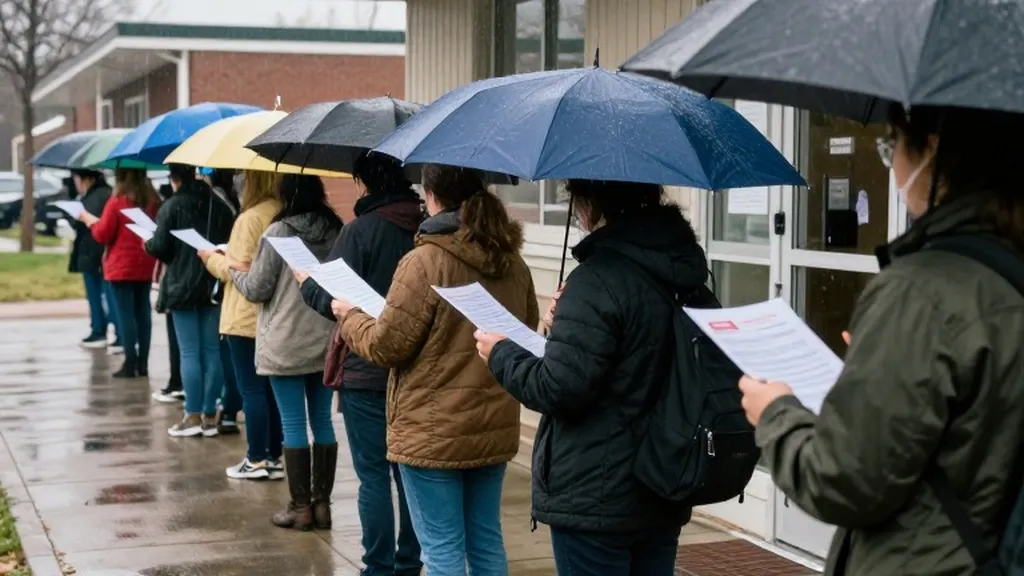
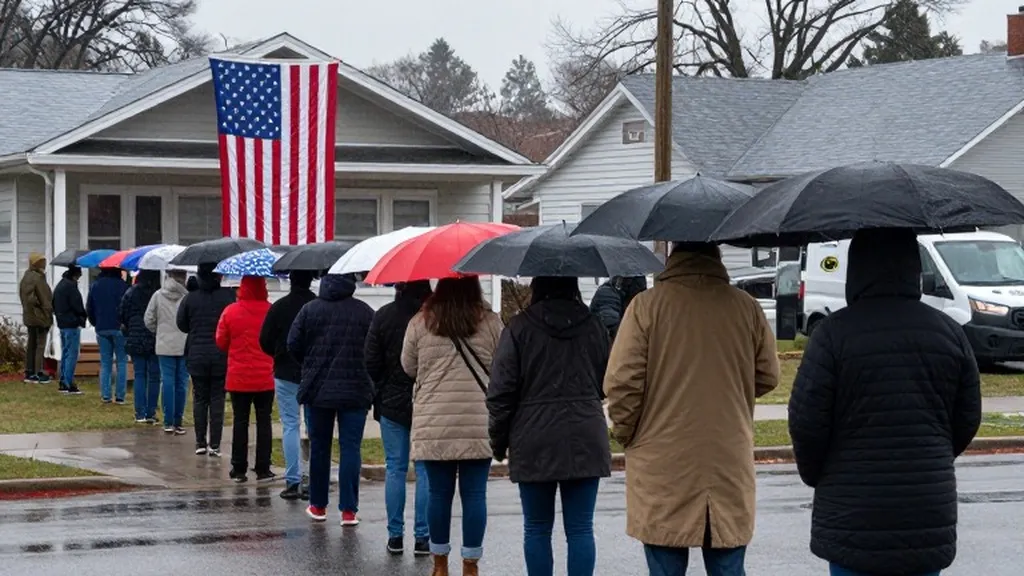
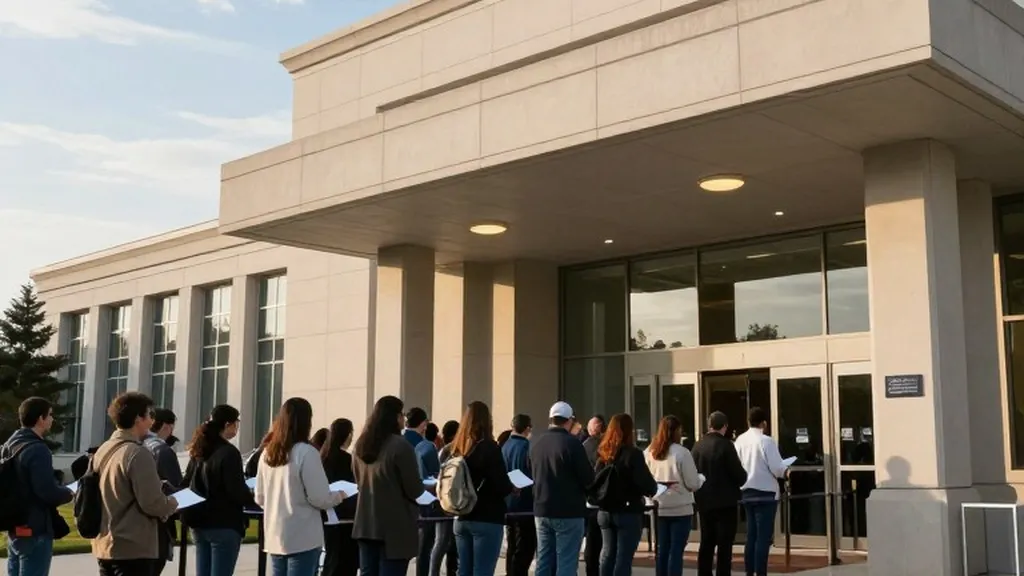
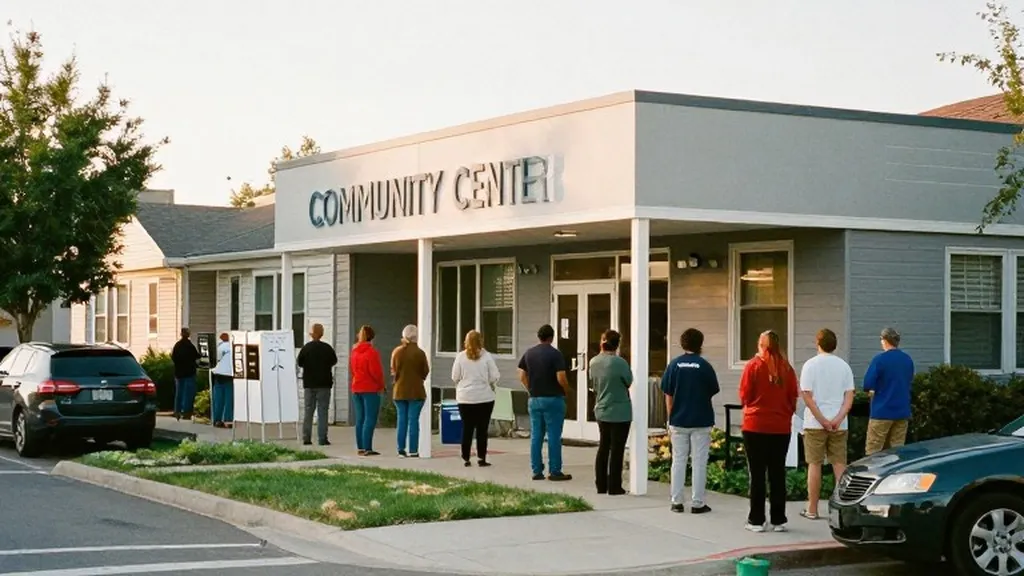
With 57 million ballots already cast, party leaders say the outcome of the midterm hinges on getting supporters to the polls on Election Day.
By Lucas Murphy ·
The United States is in the midst of a decisive midterm election that will determine the balance of power in Congress for the final two years of President Donald Trump's second term. All 435 seats in the U.S. House and 35 seats in the U.S. Senate are up for grabs, with the results likely to shape the trajectory of the administration's remaining agenda. Democrats need a net gain of three House districts to claim a majority, while Republicans can afford to lose no more than two. In the Senate, Democrats require a net gain of four seats to take control, whereas Republicans can lose only two to maintain their current advantage.
As of Monday, more than 57 million Americans had already cast their ballots, a figure that surpasses the early vote totals from the election four years ago in many closely watched states. This surge in early participation suggests a high level of engagement from voters who are focused on the cost of living and the direction of the country. The Associated Press notes that voters are struggling with high prices and are angry over an unpopular war with Iran, which has become a central theme in the campaign. Polls indicate that about 35 percent of U.S. adults approve of Trump's job performance, while only 25 percent approve of his handling of the economy.
Both political parties are placing significant bets on turnout to secure their objectives. RNC Chairman Joe Gruters stated that everything depends on turnout, asserting that if the party can turn out its voters, it will win. This sentiment reflects a strategic focus on mobilizing the base in states where the margins are tight. In contrast, DCCC Chair Rep. Suzan DelBene emphasized that the American people are angry and want change. Her comments highlight the Democratic strategy of energizing voters who feel the economic burden of the current administration is too heavy to bear.
The ground game has been a critical component of the campaign for both sides. Democrats have focused on door-to-door outreach and phone banking to ensure that their supporters show up on Election Day. Republicans, meanwhile, have leveraged a significant financial advantage, with their committees outraising and outspending their Democratic counterparts. This spending edge was bolstered by Trump-affiliated groups and prominent donors like Elon Musk. Despite this, Democrats have managed to outraise their opponents at the candidate level, allowing them to compete effectively in key battleground districts.
Money has played a pivotal role in shaping the landscape of this election. The 2026 races are expected to be the most expensive in history, with Republican general election TV ad spending heavily concentrated in states and districts that Trump won in 2024. Analysis of AdImpact data shows that 88.1 percent of Republican spending went to areas where Trump had a strong showing, including more than $850 million in districts where he won by 10 points or more. This targeted approach aims to solidify Republican gains in safe seats while also challenging Democrats in competitive areas where they hold a slight edge.
In the Senate, 13 races are considered battlegrounds, with several states leaning toward the Democratic column. Maine, Georgia, and Alaska are rated as toss-ups or leaning Democratic by major election trackers. These states are critical for Democrats, who need to flip seats to achieve a majority. In Maine, economic strain and tariffs have made the race between Sen. Susan Collins and Democratic former state Senate President Troy Jackson particularly competitive. In Georgia, Sen. Jon Ossoff is facing off against Republican Rep. Mike Collins in a state where the 2024 presidential margin was narrow.
The governor's race is also a key focus, with 36 governorships on the ballot. Democrats are hoping to hold a majority of governorships for the first time in two decades, a goal that would require a net gain of two offices. In states like Georgia and Nevada, the races are tight, with candidates campaigning on issues such as health care and economic stability. In Georgia, Republican health care executive Rick Jackson is challenging Democratic former Atlanta Mayor Keisha Lance Bottoms, while in Nevada, Republican Gov. Joe Lombardo is facing Democratic Attorney General Aaron Ford. These races reflect the broader national struggle for control of state governments.
Voters are expressing their concerns through their participation, with many citing high taxes and rising health care costs as primary motivations. James Moore, a 57-year-old librarian in Raleigh, North Carolina, noted that he is paying more for everything, from taxes to health care. This sentiment is shared by many Democrats who see the election as a referendum on the administration's handling of the economy. Conversely, some Republican voters remain optimistic, with Mark Barker of Palm Beach Gardens, Florida, stating that he has been following Trump and believes he is doing an awesome job.
The election also carries implications for the future of the Democratic Party and potential 2028 candidates. A strong showing for Democrats would boost the profiles of figures like Gavin Newsom, JB Pritzker, and Pete Buttigieg, while potentially complicating the path for Vice President JD Vance. House Democratic Leader Hakeem Jeffries has outlined a 100-day agenda focused on the cost of living and oversight of the administration, signaling a commitment to holding the executive branch accountable. This agenda resonates with voters who are looking for tangible changes in their daily lives.
Election administration has been a point of contention, with federal judges temporarily barring the Trump administration from implementing plans that critics say could disenfranchise eligible voters. A judge ordered the administration to stop demanding that California election officials segregate ballots cast by people on lists of suspected noncitizens. These legal battles have added a layer of complexity to the election, with both parties monitoring the process closely to ensure that every valid vote is counted. The U.S. Postal Service has added hours and staff to ensure that mail ballots are counted on time, reflecting the importance of accurate and timely results.