Trump rallies across the nation as midterm vote opens
The former president urged supporters to vote for candidates who mirror his views while facing low approval ratings and disputes over election integrity.
By Lucas Murphy ·
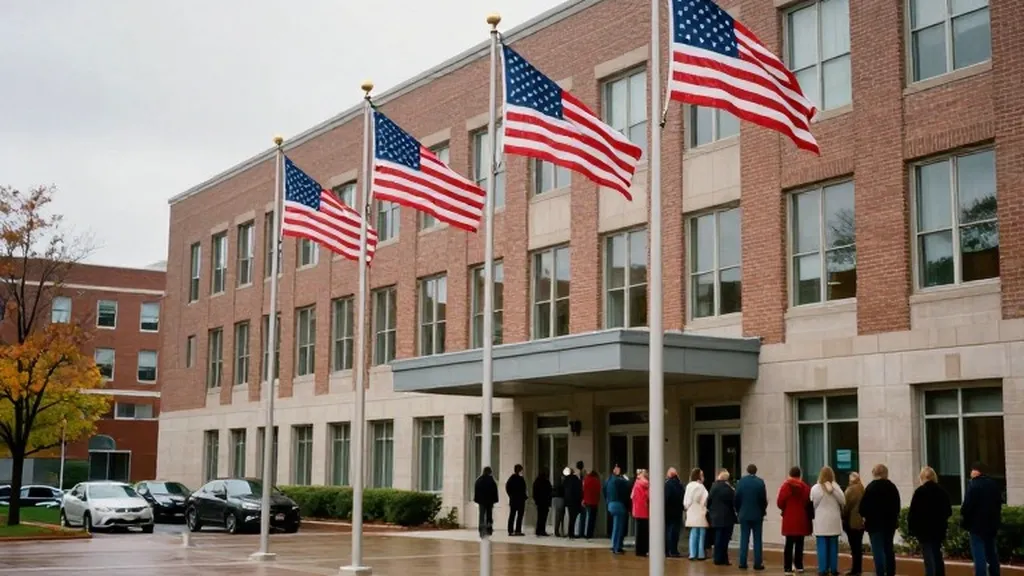
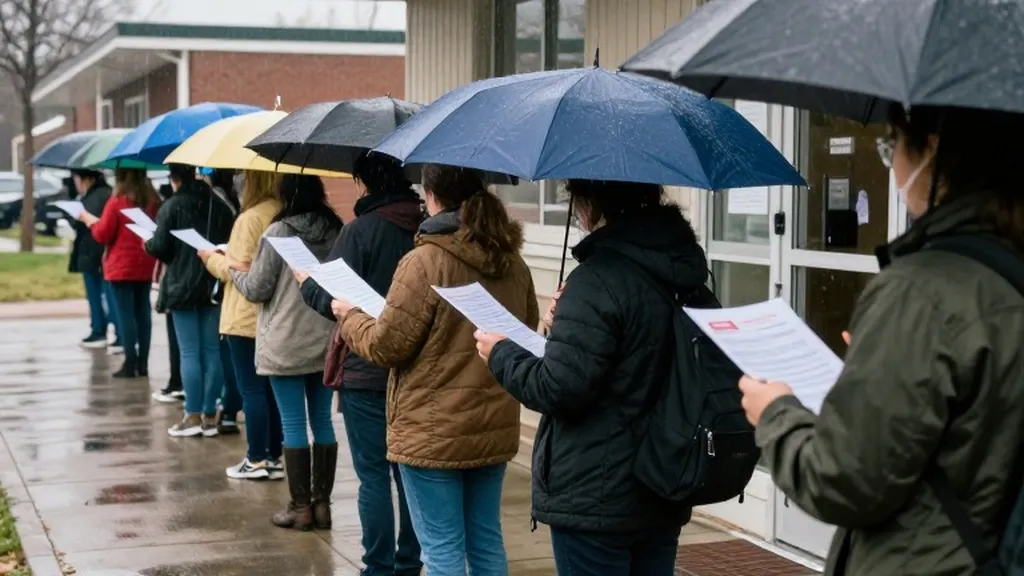
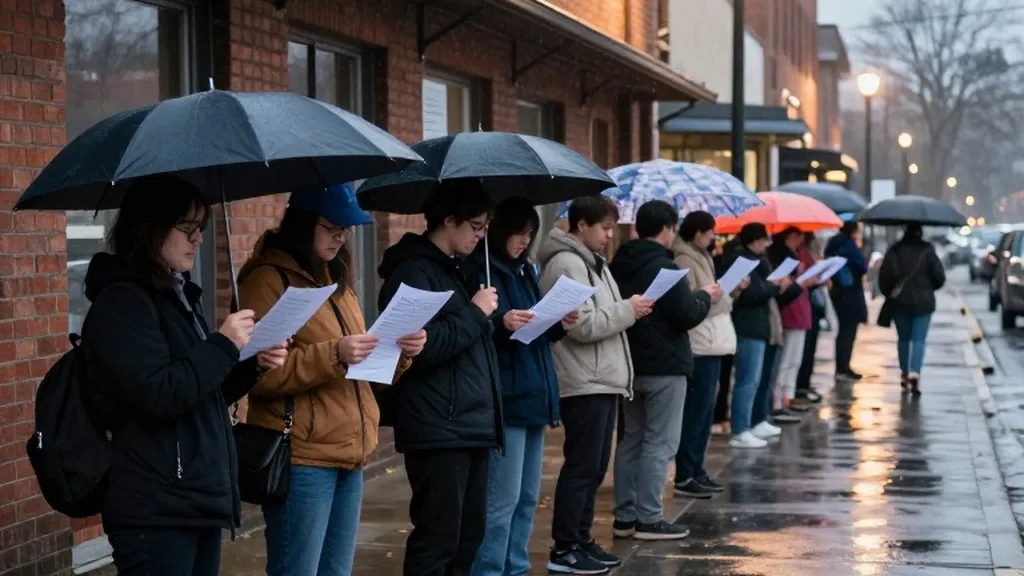
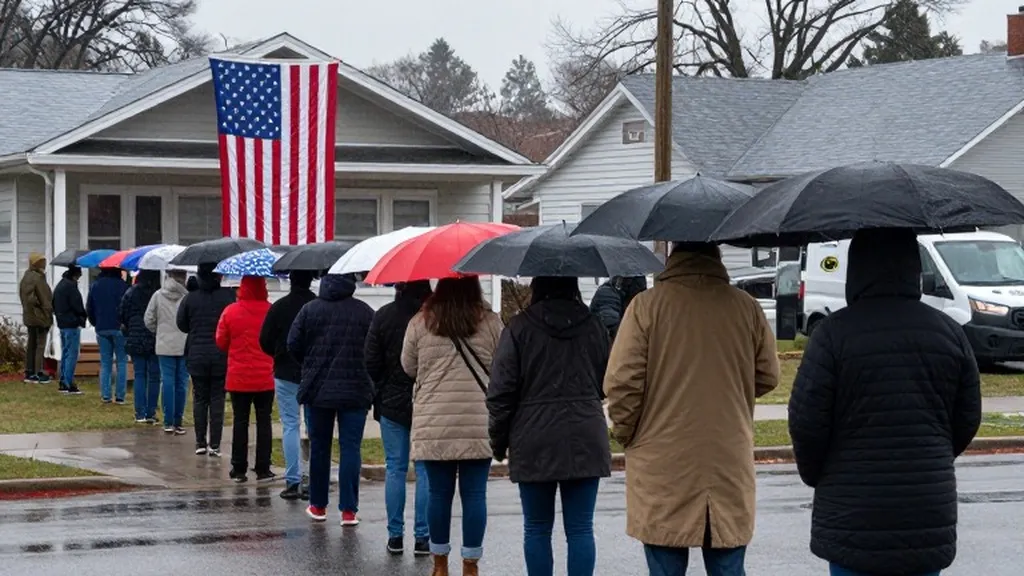
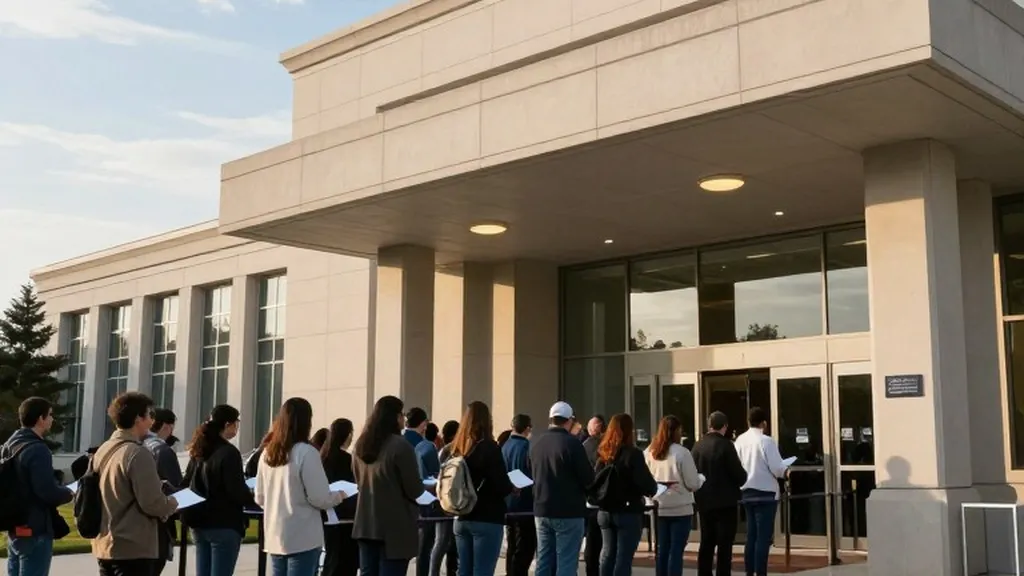
Voters across the United States began casting ballots on Tuesday, November 3, 2026, in a midterm election that will determine which party controls Congress for the remainder of President Donald Trump's second term. The Associated Press describes the day as a referendum on the administration's performance, with many citizens expressing frustration over high prices and an unpopular war with Iran. More than 57 million people had already voted as of Monday, a figure that surpassed the early vote totals from four years ago in many closely watched states. The outcome will define the balance of power in Washington as the country moves into the final two years of the current administration.
President Trump has been a central figure in the campaign, holding dozens of rallies in the weeks leading up to election day. His schedule included stops in Mississippi, South Carolina, and Texas, with his final appearance on Sunday in Salina, Kansas. At that event, he told the crowd that he really wanted them to pretend he was on the ballot. This strategy reflects his effort to influence the race despite not seeking office himself. Many Republican candidates kept their distance from the former president during the campaign, a tactic aimed at appealing to moderate voters who may be wary of the administration's polarizing style.
Polling data indicates a challenging environment for the president. An AP-NORC poll found that 35 percent of U.S. adults approve of Trump's job performance, while only 25 percent approve of his handling of the economy. About seven in 10 respondents said the country is heading in the wrong direction, with most blaming the president for high prices. These numbers suggest that economic concerns are a primary driver of voter sentiment. The cost of living has become a dominant theme, with voters citing higher taxes and increased costs for healthcare and daily necessities as key reasons for their dissatisfaction.
The president has also continued to make false claims about voting fraud, asserting that noncitizens vote in large numbers. His administration has filed lawsuits in Alaska and California, and the Justice Department has threatened to prosecute local election officials. Democrats have expressed fear that these actions could lead to interference and intimidation at the polls. A federal judge temporarily barred the administration from carrying out a plan to prevent noncitizen voting, with critics arguing that the measure risks disenfranchising eligible voters. Another judge ordered the administration to stop demanding that California election officials segregate ballots cast by people on lists of suspected noncitizens.
Financial dynamics in the election reveal a significant advantage for Republican committees, which outraised and outspent their Democratic counterparts. This spending was helped by Trump-affiliated groups and contributions from Elon Musk. However, at the candidate level, Democrats outraised their opponents. Analysis of advertising data shows that 88.1 percent of Republican general election TV ad spending went to states and districts that Trump won in 2024. This includes more than 850 million dollars spent in areas where he won by 10 points or more. The 2026 elections are expected to be the most expensive in history, reflecting the intensity of the competition for control of Congress.
Democrats are cautiously optimistic about their chances, with party leaders emphasizing the anger of the American people. Rep. Suzan DelBene, chair of the Democratic Congressional Campaign Committee, stated that the American people are angry and want change. In the House, Democrats need a net gain of three districts to achieve a majority, while Republicans can lose no more than two seats. In the Senate, Democrats need a net gain of four seats to take control, a more difficult task given that Republicans can only afford to lose two. The party also aims to hold a majority of governorships for the first time in two decades, a goal that would shift the balance of power in statehouses.
The race for the Senate includes 35 seats, with 33 regular elections and two special elections for the terms held by Marco Rubio and JD Vance. Thirteen of these races are considered battlegrounds, including contests in Georgia, Iowa, Kansas, and Michigan. In Georgia, Sen. Jon Ossoff faces Rep. Mike Collins, a race that has drawn significant attention due to the state's competitive nature. In Iowa, the open seat left by retiring Sen. Joni Ernst is viewed as a toss-up or a lean toward the Republicans. These races are critical because the party that controls the Senate will have significant influence over the administration's agenda and oversight capabilities.
Governor races are also a focal point, with 36 offices on the ballot. Democrats are defending five governorships in states that Trump won in 2024, including Arizona, Kansas, Michigan, Pennsylvania, and Wisconsin. Republicans are defending two in states that Harris won, New Hampshire and Vermont. The Associated Press notes that economic strain and tariffs have made states like Maine competitive. In Georgia, former Atlanta Mayor Keisha Lance Bottoms is challenging Republican health care executive Rick Jackson. These races highlight the importance of state-level leadership in shaping national policy and the potential for a shift in control of state governments.
Voters are making their choices in a political landscape marked by high stakes and significant uncertainty. The United States Postal Service has added hours, staff, and special lines to ensure that mail ballots are counted on time. Wall Street is watching the results closely, as the outcome could impact investor concerns about spending and debt ceiling negotiations. The election represents a moment of decision for the American public, who are weighing the performance of the current administration against the promise of change. As polls open, the focus remains on what voters are doing and what is being decided, rather than on projections or predictions of a winner.